
NVIDIA warns: AI can be more expensive than traditional workers
As AI adoption accelerates, experts highlight that its true cost may surpass human labor expenses. The perceived savings might be misleading without full cost analysis.
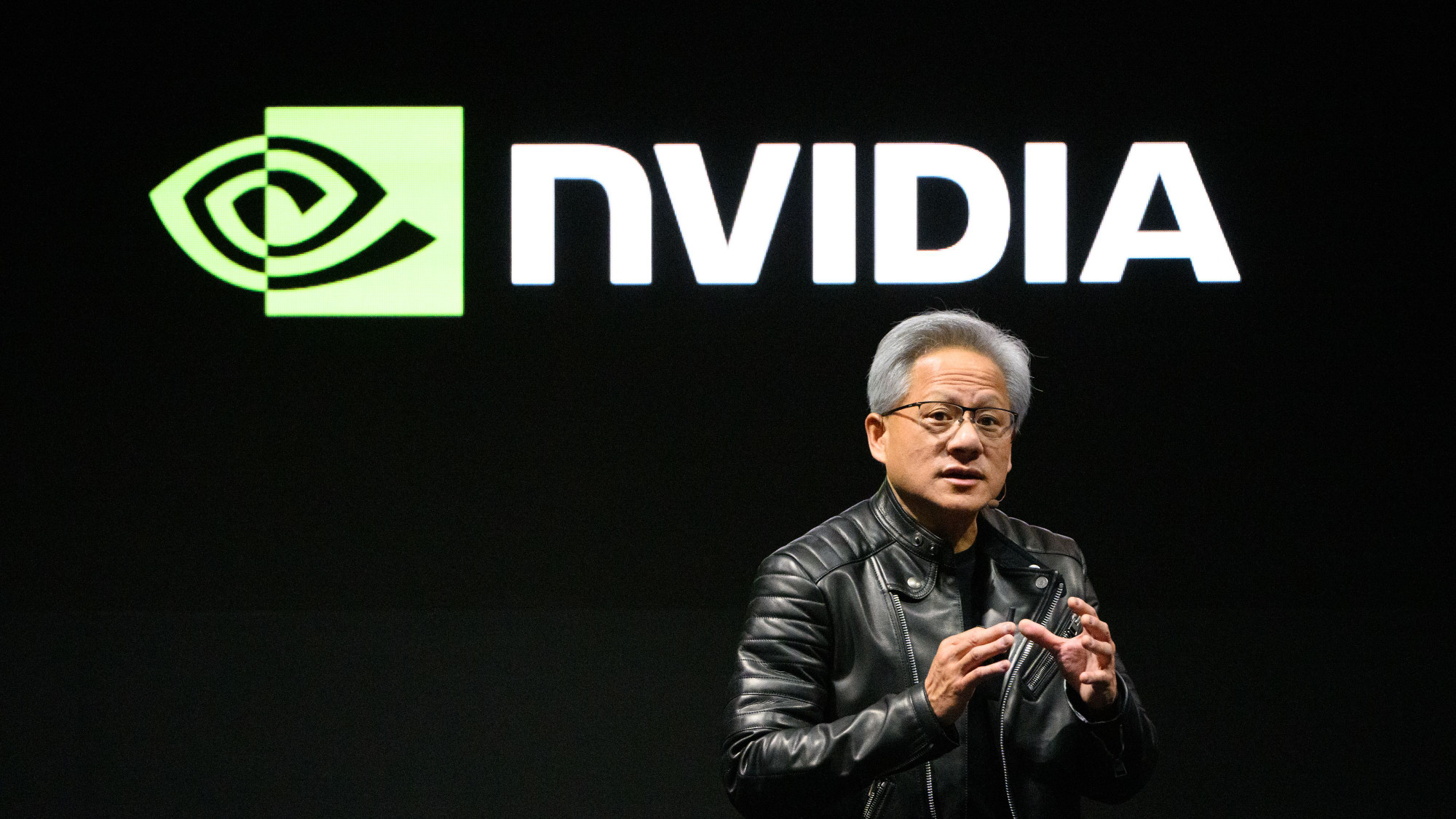
The use of artificial intelligence (AI) has rapidly expanded across workplaces and daily life. Recent data shows that in 2023, 21% of American workers used AI at work, with projections reaching 50% by 2026. However, this widespread adoption brings growing job uncertainty, as many companies plan to replace employees with AI systems.
High-level statements, like those from NVIDIA executives, reveal a harsh reality: AI can be more costly than paying human workers. This is because companies often overlook the actual expense of tokens, which are processing units used by AI models to generate responses or perform tasks.
When generative AI first gained popularity, many firms fired staff and replaced them with AI, often without considering that early AI errors and limitations could lead to worse outcomes and higher long-term costs. Now, with more advanced technology, the debate over costs remains relevant.
Experts such as Bryan Catanzaro from NVIDIA and Praveen Naga from Uber agree that, in some cases, AI expenses can surpass employee wages. For instance, Uber reports that 11% of real-time code updates are performed by AI agents, but token costs can escalate quickly.
A notable case is Amos Bar-Joseph from Swan AI, who spent over $113,000 on tokens from Anthropic Claude in just one month, with a team of four people. This amounts to roughly $28,000 per person, far more than a monthly subscription to services like ChatGPT Pro.
The key point is that token costs vary greatly depending on the model and function used, and these expenses can reach thousands or even tens of thousands of dollars monthly for small teams. The idea that AI is always cheaper than human labor can be an illusion if all costs are not properly considered.
Token costs can surpass employee expenses, and many companies ignore this, leading to much higher spending than expected.
Ultimately, adopting AI requires careful analysis of its real costs, which go well beyond subscription fees. Investing in advanced technology and token management can make AI more expensive than hiring personnel, and companies need to be prepared for this reality.
Article topics
Related articles

US Government Suspends Access to Anthropic's Fable 5 and Mythos 5 AI Models
A national security directive forces Anthropic to disable its advanced AI models, Fable 5 and Mythos 5, for all customers starting June 12, 2026.

Google Launches Gemini 3.5 Live Translate for Instant Voice Translation
Google expands real-time translation availability with Gemini 3.5 Live Translate, offering lower latency and support for over 70 languages.
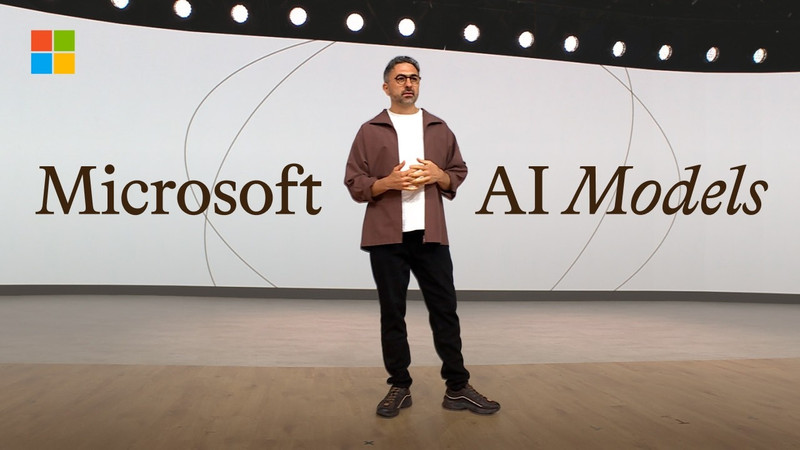
Microsoft Unveils Seven New AI Models with Human-Centric Superintelligence Vision
Microsoft introduces a powerful family of seven AI models spanning image, voice, and code, designed to empower developers and organizations with a strong ethical foundation.
Latest news
View all
Elon Musk Plans Space Data Centers to Ease AI Energy Crisis
The escalating energy demand for artificial intelligence and terrestrial data centers is driving SpaceX to explore space-based solutions, with Starship being key to economic viability.
Windows 95 Runs on Texas Instruments Graphing Calculator
A modder successfully ported Windows 95 to a TI-Nspire CX II, showcasing modern calculator hardware capabilities.

Humanoid Robot Pemba Climbs Chimborazo, Sets Sights on Everest Summit
The humanoid robot Pemba, an adaptation of the Unitree G1, recently ascended over 6,000 meters on Chimborazo and now aims to conquer Mount Everest. This technological feat paves the way for new forms of exploration in extreme environments.
Comments (0)
No comments yet. Be the first!
Leave a comment