
Is Causality Optional? Testing "Indefinite Causal Order" Superposition
New quantum experiments suggest that the sequence of events can exist in a state of superposition, making the order of cause and effect a matter of probability.

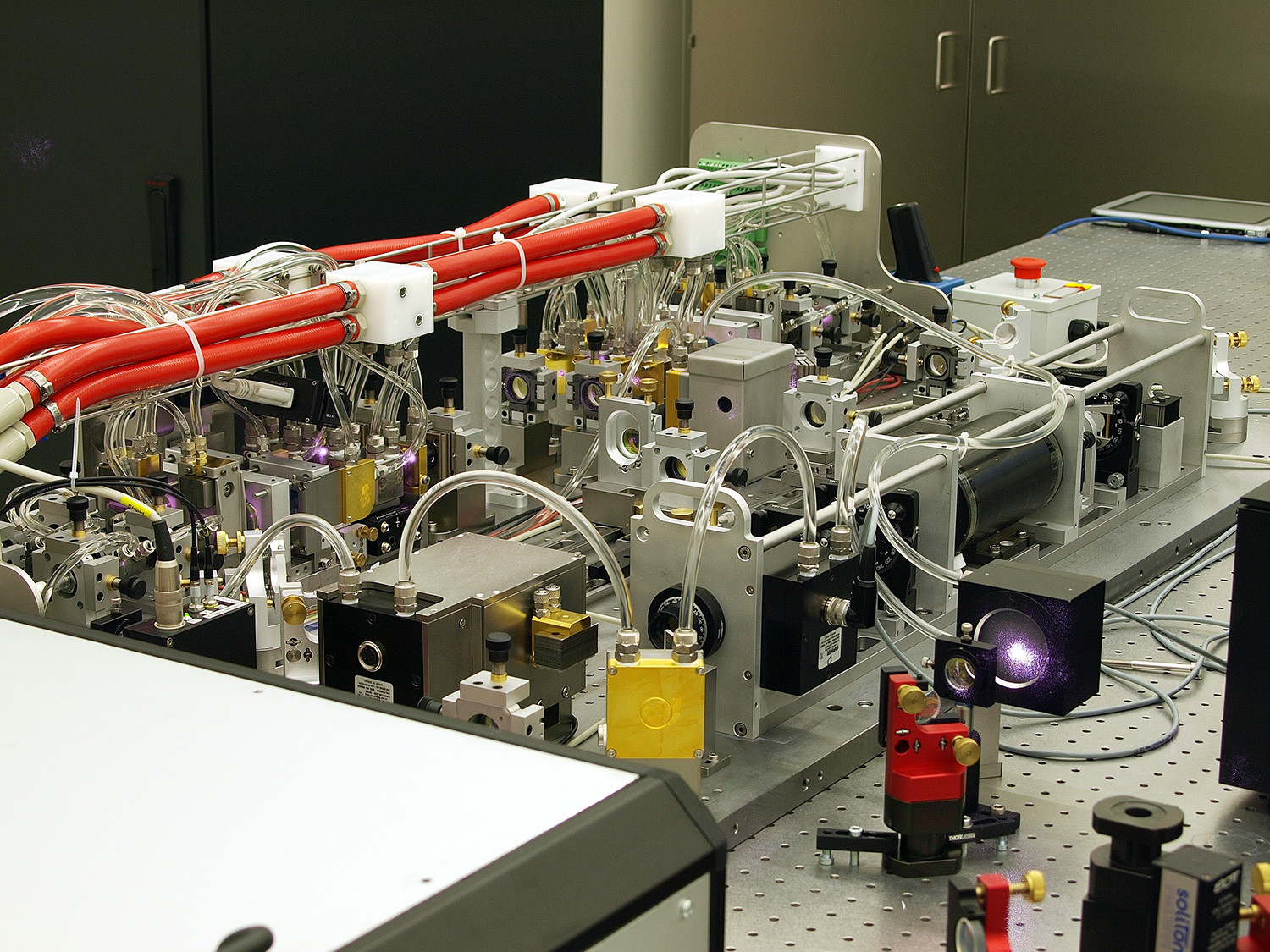
Over a decade ago, quantum mechanics experiments began revealing mind-bending realities. By measuring one half of an entangled pair of photons, researchers could seemingly dictate the past behavior of its partner, raising profound questions about whether causality functions the same way at the quantum level as it does in our daily lives.
Building on these foundations, physicists have recently designed experiments to probe this mystery further. Their latest work indicates it is possible to create quantum superpositions of two different sequences of events. Essentially, whether event A happened before event B—or the other way around—becomes a matter of probability rather than a fixed certainty.
This "indefinite causal order" challenges our fundamental understanding of time and sequence. While the current experiment still contains a few loopholes, the research team believes these can eventually be closed, potentially reshaping our grasp of quantum causality and the very fabric of chronological events.
Keep reading online — scan the code
https://go.tricuatro.com/BbqOQ
© tricuatro.com
Article topics
Related articles
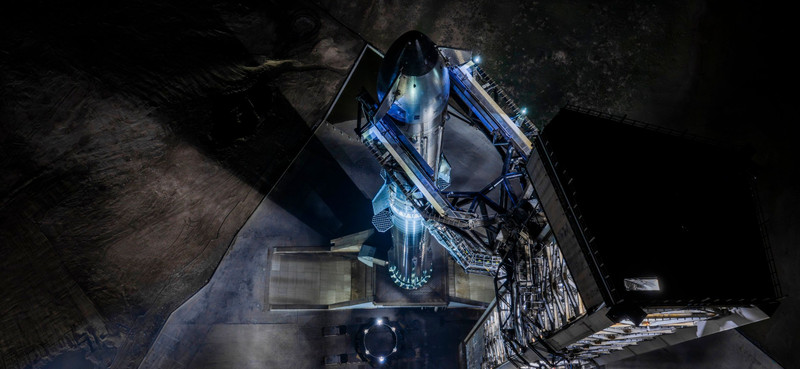
SpaceX Scrubs Starship Test Flight in South Texas
Computer systems detected an anomaly during the Super Heavy booster's engine startup sequence, forcing the mission's abort.

JAXA's RV-X Reusable Rocket Successfully Completes First Flight
Japan's space agency JAXA successfully tested its RV-X prototype, a critical step towards reducing costs and boosting competitiveness in the global space market.

China's Great Green Wall: Artificial Forests Outpace Natural Growth
China planted 66 billion trees over nearly half a century to combat desertification, and a new study shows they grow faster than natural forests, albeit with important nuances.
Latest news
View all
MIT Chip Converts Invisible Infrared Light into Crucial Data
MIT researchers developed an innovative chip detecting methane and propane using mid-infrared light, with potential for millions of pixels and optical computing.

Assassin's Creed Black Flag Resynced Smashes 3 Million Sales, New Game Plus Announced
Ubisoft's successful re-release of the pirate classic continues to break records, confirming one of the most requested features from the gaming community.

TikTok tests AI tool to protect creators from deepfakes
The video platform is rolling out an opt-in feature allowing users to verify their identity and report unauthorized AI-generated likenesses.
Comments (0)
No comments yet. Be the first!
Only registered readers can comment.