
Ethics and regulation shape AI goals in 2026
By 2026, international frameworks from the EU and UNESCO aim to ensure responsible, fair, and human-centered AI development.
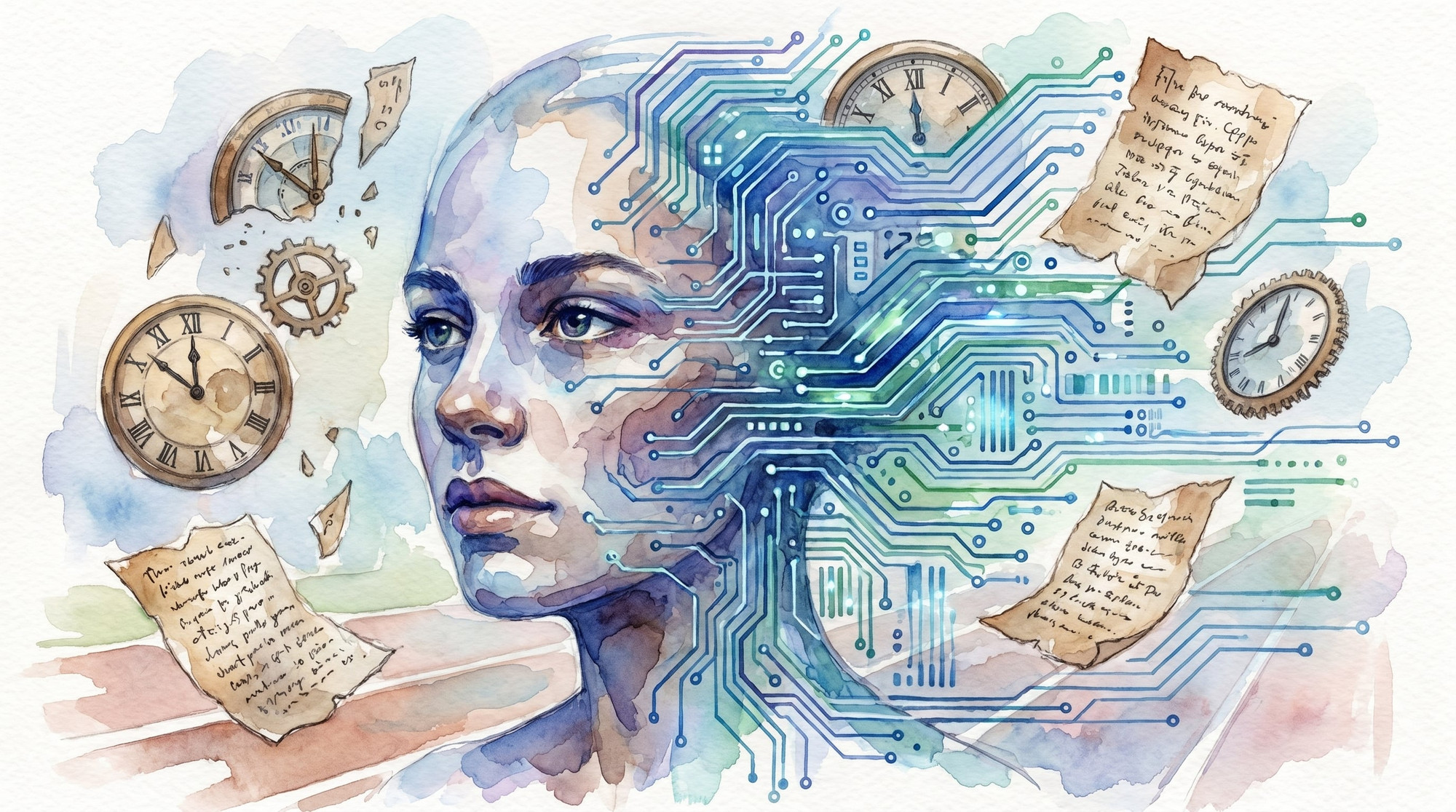
Artificial intelligence has become a central topic in global debates about responsibility. The question of who is accountable when AI tools act beyond our understanding and impact millions remains urgent. This issue, rooted in ethics, law, and philosophy, grows more complex as AI takes on critical roles in healthcare, justice, and security.
International organizations like the European Commission and UNESCO warn about the dangers of delegating important decisions to opaque systems. According to UNESCO's _Ethics of Artificial Intelligence_ report, uncritical reliance on algorithms can lead to collective harm, including discrimination, loss of rights, or lethal use in conflicts. The report emphasizes that human agency and oversight must be present at every stage of AI design, deployment, and monitoring.
Historically, thinkers like Maimonides addressed responsibility in delegation contexts, raising the question of who should answer for damages caused by autonomous systems. Experts like Shannon Vallor argue that AI does not eliminate responsibility but redistributes and complicates it. The EU's AI law mandates audits, detailed logs, and human intervention in critical cases to address these challenges.
In 2026, data shows that 72% of serious AI-related incidents, such as medical errors or automated judicial decisions, lack clear oversight mechanisms. This highlights the ongoing need for human vigilance and accountability frameworks to ensure safe AI use.
Despite claims of neutrality, algorithms reflect human decisions and biases. UNESCO warns that abandoning oversight and critical judgment is unethical and unsustainable. Promoting digital responsibility involves regulation, control, and public education to foster ethical vigilance and transparency.
History demonstrates that each technological leap requires redefining responsibilities and limits. AI, far from being an exception, demands a renewed social and ethical pact, with human responsibility at its core and clear rules for responsible development.
Article topics
Related articles

US Government Suspends Access to Anthropic's Fable 5 and Mythos 5 AI Models
A national security directive forces Anthropic to disable its advanced AI models, Fable 5 and Mythos 5, for all customers starting June 12, 2026.

Google Launches Gemini 3.5 Live Translate for Instant Voice Translation
Google expands real-time translation availability with Gemini 3.5 Live Translate, offering lower latency and support for over 70 languages.
Microsoft Unveils Seven New AI Models with Human-Centric Superintelligence Vision
Microsoft introduces a powerful family of seven AI models spanning image, voice, and code, designed to empower developers and organizations with a strong ethical foundation.
Latest news
View all
Elon Musk Plans Space Data Centers to Ease AI Energy Crisis
The escalating energy demand for artificial intelligence and terrestrial data centers is driving SpaceX to explore space-based solutions, with Starship being key to economic viability.

Windows 95 Runs on Texas Instruments Graphing Calculator
A modder successfully ported Windows 95 to a TI-Nspire CX II, showcasing modern calculator hardware capabilities.

Humanoid Robot Pemba Climbs Chimborazo, Sets Sights on Everest Summit
The humanoid robot Pemba, an adaptation of the Unitree G1, recently ascended over 6,000 meters on Chimborazo and now aims to conquer Mount Everest. This technological feat paves the way for new forms of exploration in extreme environments.
Comments (0)
No comments yet. Be the first!
Leave a comment