
Artemis II Mission: The Engineering Behind the Orange Suits Taking Humanity Back to the Moon
The Artemis II mission will mark humanity's return to lunar orbit, equipping its astronauts with innovative orange suits designed for maximum safety and survival during the most critical flight phases.

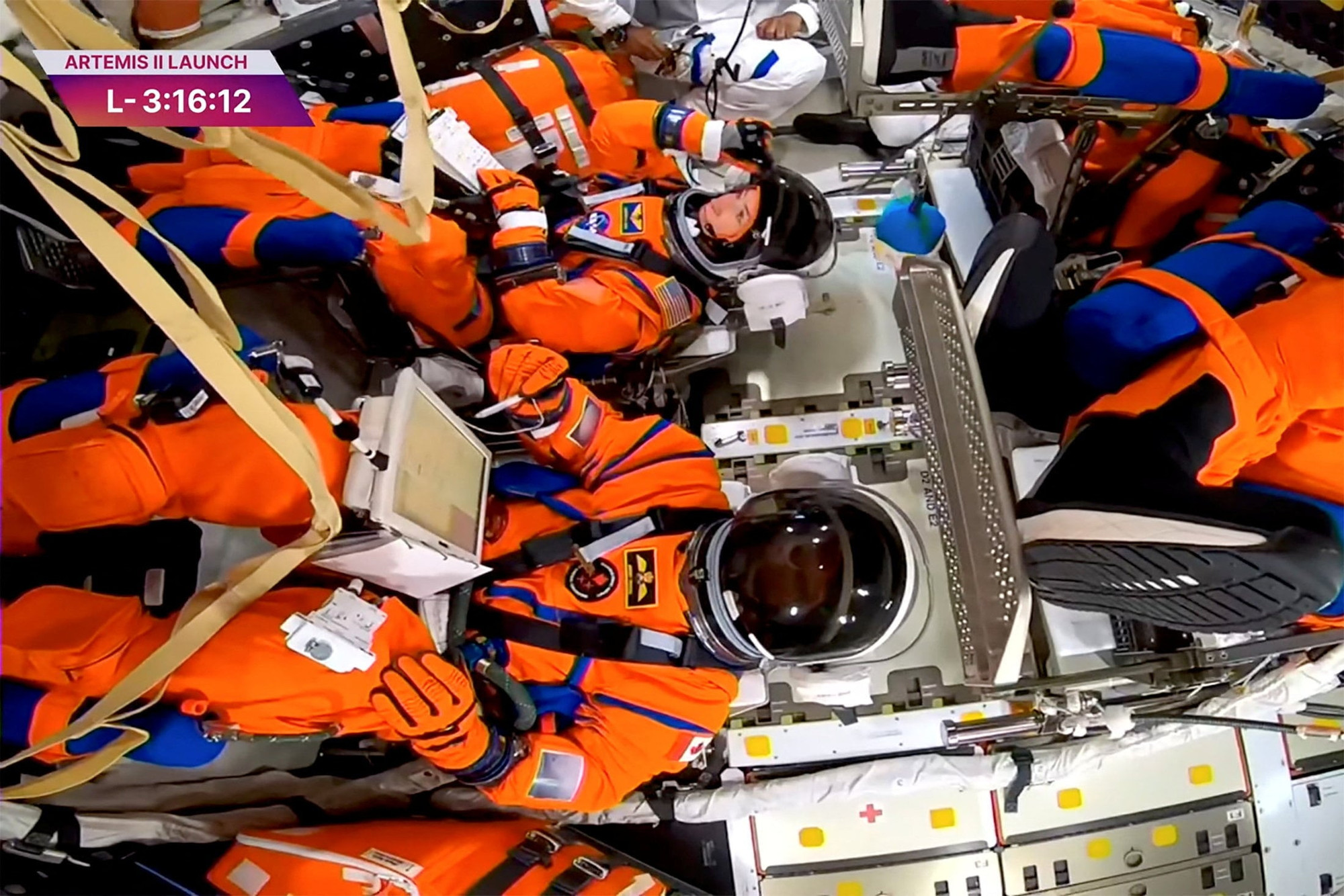
The Artemis II mission stands as a monumental milestone in space exploration, setting the stage for humanity's return to lunar orbit for the first time in over half a century. At the heart of this audacious endeavor, crew safety and survival are paramount, and this is where advanced spacesuits play a crucial role. These are not mere garments but high-tech life support systems, meticulously designed to protect astronauts in the most extreme conditions of space. Their distinctive orange color is not an aesthetic choice but a strategic decision rooted in decades of experience in aeronautical and space safety, symbolizing a vital layer of protection during the critical launch and re-entry phases.
The Orion Survival Suit: A Shield of Advanced Technology
The suits to be worn by the Artemis II crew, known as the Orion Survival Suit, represent the pinnacle of personal protection engineering in space. These custom-fitted models, tailored to each astronaut, are manufactured to withstand extreme situations, from unexpected cabin depressurization to the rigorous forces of launch and re-entry. Each suit is equipped with essential accessories that not only enhance visibility but also integrate fundamental life support systems, ensuring the crew can operate and survive in an emergency. NASA has confirmed that Reid Wiseman, Victor Glover, Christina Koch, and Jeremy Hansen will use these garments during liftoff, their historic ten-day mission around the Moon, and the subsequent return to Earth. This personalized design is key for optimal pressure distribution, minimizing discomfort and maximizing mobility during long periods of use, a critical factor for astronaut performance and well-being.
The importance of these suits is magnified when considering the context of the Artemis II mission. This crew will not only be the first to orbit the Moon since 1972 but will also make history by including the first woman, the first African American astronaut, and the first Canadian on a lunar mission. The Orion Survival Suit is primarily designed for the most critical phases of flight, where the probability of an incident is highest. Its main function is to provide immediate vital protection in the event of an emergency or unexpected capsule depressurization, acting as a personal bubble that keeps astronauts safe and functional until they can be rescued or the situation stabilizes. The meticulous custom tailoring of each suit ensures that every crew member has a perfect fit, which is essential for the effectiveness of the integrated life support systems and for comfort during such a demanding journey.
Technical Innovations That Make a Difference
The Artemis II suits incorporate a series of significant technical improvements that distinguish them from their predecessors, raising the standards of safety and functionality. One of the most notable innovations is the outer layer, made from a fire-resistant material that offers crucial protection in emergency scenarios. Complementing this, a reinforced zipper has been designed to streamline suit donning, a seemingly minor detail but vital in situations where every second counts. The helmet has been completely revamped; it is now lighter and stronger, which not only reduces ambient noise inside the capsule but also facilitates clearer and more efficient communication with mission control on Earth and among the crew members themselves, a fundamental aspect for coordination and safety.
Inside the suit, technology continues to impress. A cleverly integrated liquid cooling garment helps regulate the astronauts' body temperature effectively, preventing overheating during periods of intense activity or prolonged exposure. The personalized fit of the suit, already mentioned, goes beyond comfort; it limits pressure points that could cause fatigue or injury, while an internal pressurized layer facilitates greater mobility, allowing astronauts to perform their tasks with agility despite the inherent restrictions of a spacesuit. The gloves, for their part, have been improved to offer greater durability and, crucially, are touchscreen compatible, enabling astronauts to operate complex electronic equipment without needing to remove them, optimizing operational efficiency. Finally, the boots have also received a significant upgrade, combining flexibility for movement with superior fire protection, ensuring safety and comfort at all times.
International Orange: A Color with a Vital Purpose
The distinctive orange color of these suits is not an arbitrary choice but the result of careful consideration for safety and visibility. Officially known as International Orange and standardized as AMS Standard 595 No. FS 12197, this vibrant hue was selected for its unparalleled ability to stand out in a wide range of environments. Whether against the vast blue of the ocean after a splashdown or against the sky in the event of an ejection, International Orange ensures rapid and effective detection, a critical factor for search and rescue operations. This selection is based on technical and historical criteria developed over decades of experience in aeronautics and space exploration, where visibility has proven to be an essential component for survival.
The widespread adoption of orange for launch and re-entry suits has its roots in a painful lesson from space history. Following the tragic Challenger space shuttle accident in 1986, NASA re-evaluated its safety protocols, prioritizing the maximization of rapid crew location in an emergency. This evolution marked a significant shift from the traditional white suits used in previous missions, such as the Apollo program, where aesthetics and deep-space radiation protection were primary considerations. The change to International Orange defined a new priority: immediate visibility and rescue capability. Today, this color is not only a symbol of protection but also a constant reminder of the unwavering dedication to astronaut safety, ensuring that every mission, especially one as ambitious as Artemis II, is carried out with the utmost foresight and care.
Keep reading online — scan the code
https://go.tricuatro.com/muDrA
© tricuatro.com
Related articles
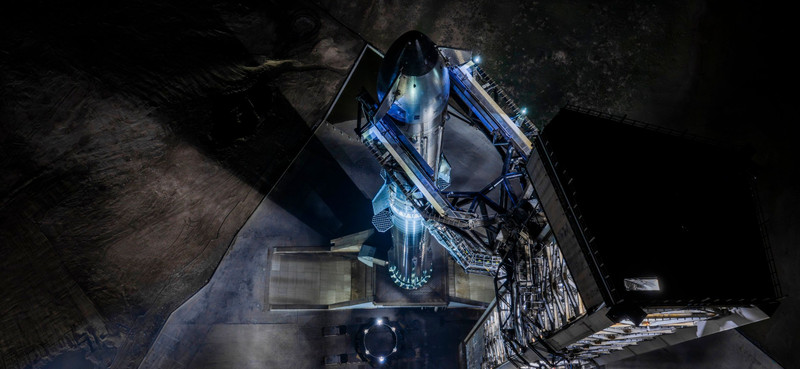
SpaceX Scrubs Starship Test Flight in South Texas
Computer systems detected an anomaly during the Super Heavy booster's engine startup sequence, forcing the mission's abort.
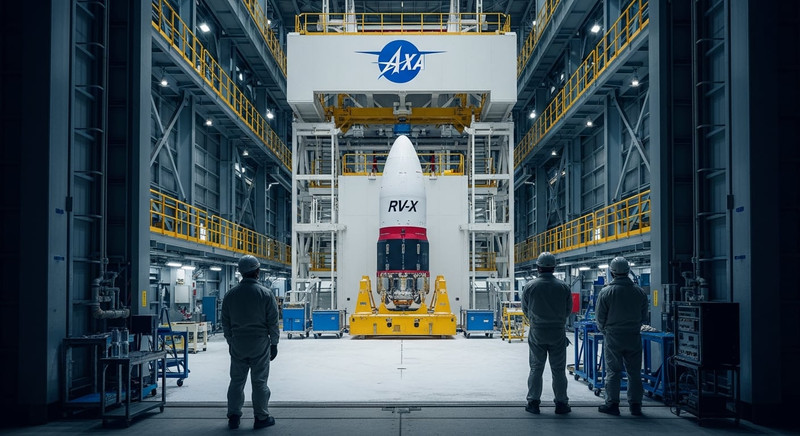
JAXA's RV-X Reusable Rocket Successfully Completes First Flight
Japan's space agency JAXA successfully tested its RV-X prototype, a critical step towards reducing costs and boosting competitiveness in the global space market.
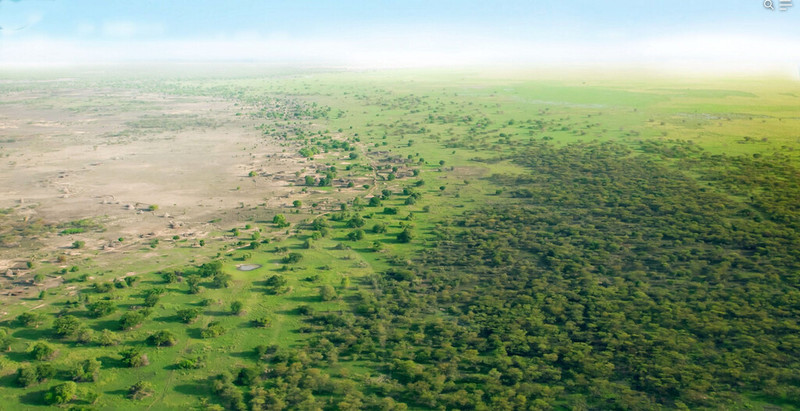
China's Great Green Wall: Artificial Forests Outpace Natural Growth
China planted 66 billion trees over nearly half a century to combat desertification, and a new study shows they grow faster than natural forests, albeit with important nuances.
Latest news
View all
MIT Chip Converts Invisible Infrared Light into Crucial Data
MIT researchers developed an innovative chip detecting methane and propane using mid-infrared light, with potential for millions of pixels and optical computing.

Assassin's Creed Black Flag Resynced Smashes 3 Million Sales, New Game Plus Announced
Ubisoft's successful re-release of the pirate classic continues to break records, confirming one of the most requested features from the gaming community.

TikTok tests AI tool to protect creators from deepfakes
The video platform is rolling out an opt-in feature allowing users to verify their identity and report unauthorized AI-generated likenesses.
Comments (0)
No comments yet. Be the first!
Only registered readers can comment.