
Argentina on NASA's Moon Rocket: Atenea Microsatellite Ready for Artemis II Mission
Argentina's Atenea microsatellite, developed entirely within the country, is set to fly on NASA's Artemis II mission, marking the return of astronauts to the Moon and positioning Argentina among the few nations with proprietary technology in this historic journey.

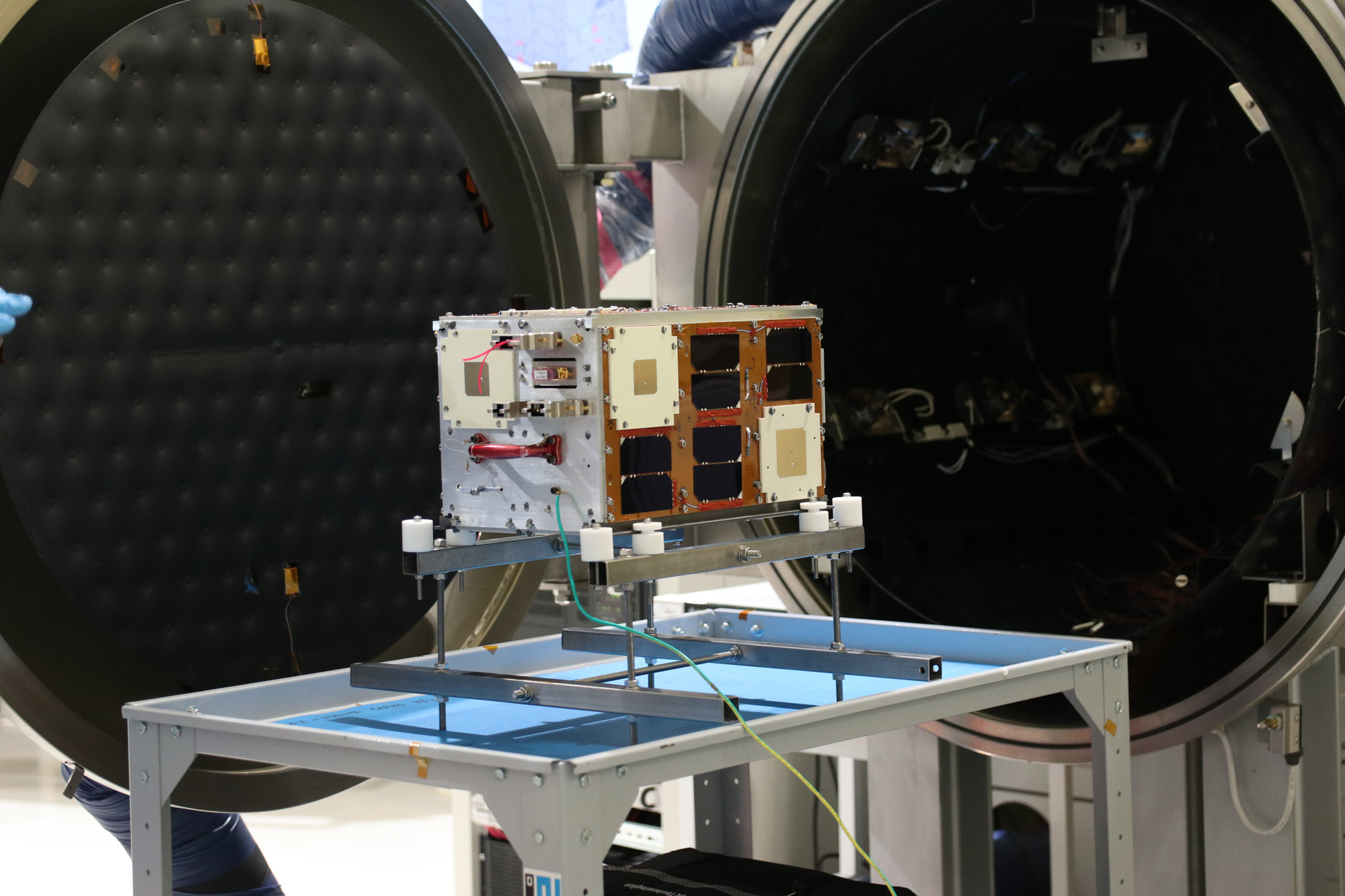
Space exploration is poised to write a new chapter with NASA's Artemis II mission, a landmark event that will see humans return to lunar orbit after more than half a century. At the heart of this ambitious journey, an unexpected yet crucial protagonist emerges from the southern tip of the Americas: the Atenea microsatellite, a development entirely conceived and built in Argentina. This small yet powerful device not only represents a significant technological leap for the nation but also places it within a select group of countries capable of integrating their own technology into such a high-profile space mission, showcasing national capability and ingenuity on the global stage.
A Milestone for Argentine Science and Technology
Atenea's participation in Artemis II transcends mere hardware integration; it stands as a true emblem of the innovation capacity and young talent flourishing in Argentina. According to the National Commission for Space Activities (CONAE), this project is the result of exemplary federal cooperation, uniting the efforts and knowledge of various academic and scientific institutions across the country. This achievement not only validates decades of investment and development in Argentina's aerospace sector but also projects an image of Argentina as a relevant player in the new era of lunar exploration, opening doors for future collaborations and opportunities in the international space arena.
Interinstitutional Collaboration and Technical Development
The genesis of Atenea is a testament to interinstitutional synergy. Its development involved CONAE, the Faculty of Engineering of the University of Buenos Aires (FIUBA), the National University of La Plata (UNLP), the National University of San Martín (UNSAM), the Argentine Institute of Radioastronomy (IAR), the National Atomic Energy Commission (CNEA), and the company VENG S.A. This joint effort culminated in the creation of a 12U CubeSat, with compact dimensions of 30 x 20 x 20 centimeters. Atenea's integration and rigorous testing were carried out at the Teófilo Tabanera Space Center in Córdoba, where it successfully passed vibration, thermovacuum, and electromagnetic compatibility tests, meeting the stringent standards required by NASA to ensure optimal performance during launch and operation in the challenging deep space environment.
NASA's Rigorous Selection Process
Atenea's path to the Moon was paved by an extremely competitive selection process. The Argentine team had the honor of transporting the microsatellite to the United States for its final integration into the SLS (Space Launch System) rocket, the powerful booster that will propel the Orion spacecraft on its journey around the Moon. It is noteworthy that Atenea was chosen from proposals submitted by nearly 50 countries, a testament to its technical excellence and the relevance of its objectives. From this vast number, only four nations—Germany, South Korea, Saudi Arabia, and Argentina—managed to secure a spot on the Artemis II mission. Alejandro Martínez, Dean of FIUBA, contextualized this achievement, explaining that out of the 61 countries that signed the agreement with NASA to participate in the Artemis II project in 2023, only four were selected to fill the 14 available slots for payloads like microsatellites, underscoring the "extremely strict safety standards" NASA imposes to avoid compromising a crewed mission.
Scientific and Technological Objectives of the Mission
Atenea's participation in this crewed mission is not merely symbolic; it represents a concrete and unprecedented opportunity to validate crucial technologies in a real and extreme environment. The microsatellite's central objective is to test long-range communication systems, a vital capability for future exploration missions. Additionally, Atenea will measure radiation in high orbits, collect GNSS navigation data (including GPS, GLONASS, and Galileo), and evaluate advanced components designed for space use. Atenea's deployment will occur during the early stages of the flight, when the Orion spacecraft crosses the 70,000-kilometer mark from Earth, an unprecedented distance for an Argentine technological development, establishing direct communication with CONAE's ground stations.
Future Impact and International Projection
This milestone not only solidifies Argentina's position on the global aerospace map but also inspires new generations of scientists and engineers, demonstrating that local innovation and talent have the potential to reach for the stars. Atenea is not just a satellite; it is tangible proof that Argentina is ready to actively contribute to the next era of space exploration, strengthening its technological sovereignty and its presence in the international scientific community.
Keep reading online — scan the code
https://go.tricuatro.com/AyCLF
© tricuatro.com
Related articles
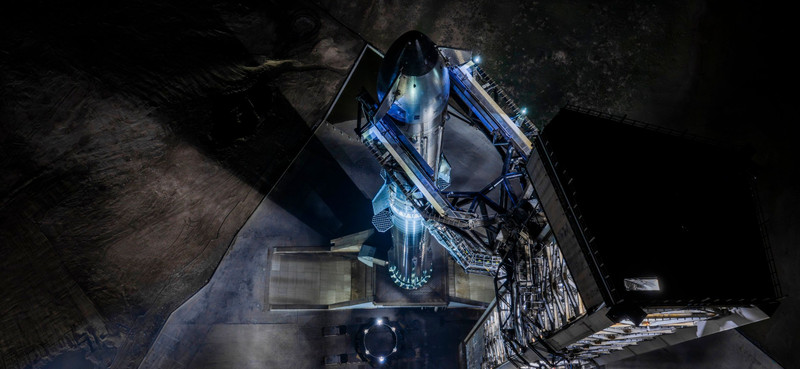
SpaceX Scrubs Starship Test Flight in South Texas
Computer systems detected an anomaly during the Super Heavy booster's engine startup sequence, forcing the mission's abort.
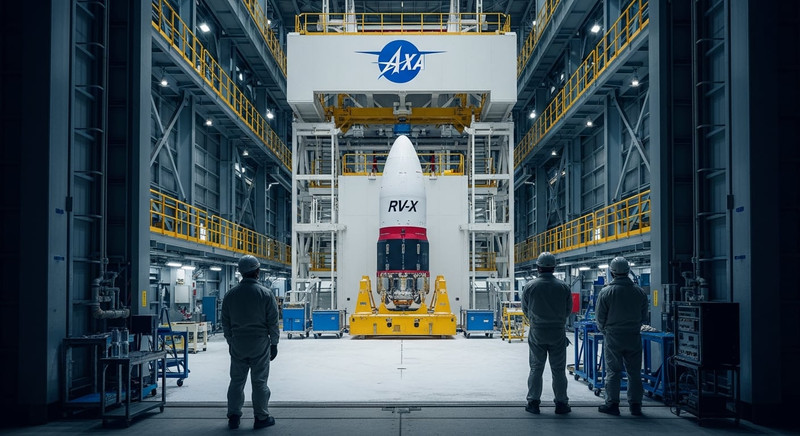
JAXA's RV-X Reusable Rocket Successfully Completes First Flight
Japan's space agency JAXA successfully tested its RV-X prototype, a critical step towards reducing costs and boosting competitiveness in the global space market.

China's Great Green Wall: Artificial Forests Outpace Natural Growth
China planted 66 billion trees over nearly half a century to combat desertification, and a new study shows they grow faster than natural forests, albeit with important nuances.
Latest news
View all
MIT Chip Converts Invisible Infrared Light into Crucial Data
MIT researchers developed an innovative chip detecting methane and propane using mid-infrared light, with potential for millions of pixels and optical computing.

Assassin's Creed Black Flag Resynced Smashes 3 Million Sales, New Game Plus Announced
Ubisoft's successful re-release of the pirate classic continues to break records, confirming one of the most requested features from the gaming community.

TikTok tests AI tool to protect creators from deepfakes
The video platform is rolling out an opt-in feature allowing users to verify their identity and report unauthorized AI-generated likenesses.
Comments (0)
No comments yet. Be the first!
Only registered readers can comment.