
Ciencia
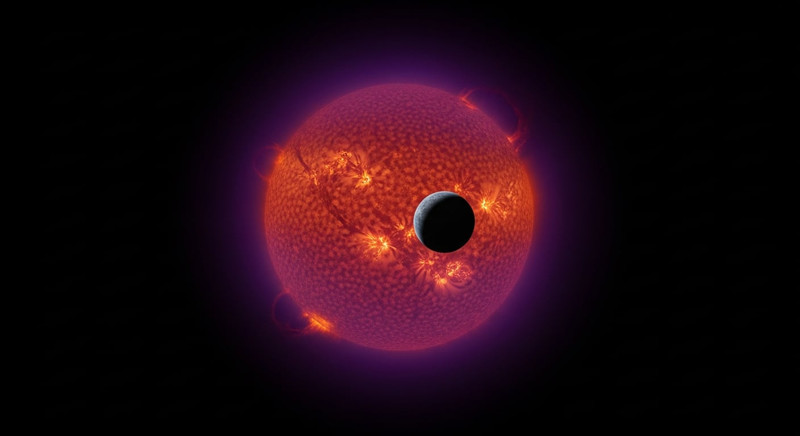
Canadian POET mission aims to find Earth-like exoplanets
A small, advanced satellite, POET, is set to detect rocky planets around ultracool stars, expanding the search for potentially habitable worlds beyond our solar system.

Lumai's Optical Computing System Cuts AI Energy Use by 90%
A startup from Oxford University unveiled a system that runs large language models in real time with significantly lower energy consumption.
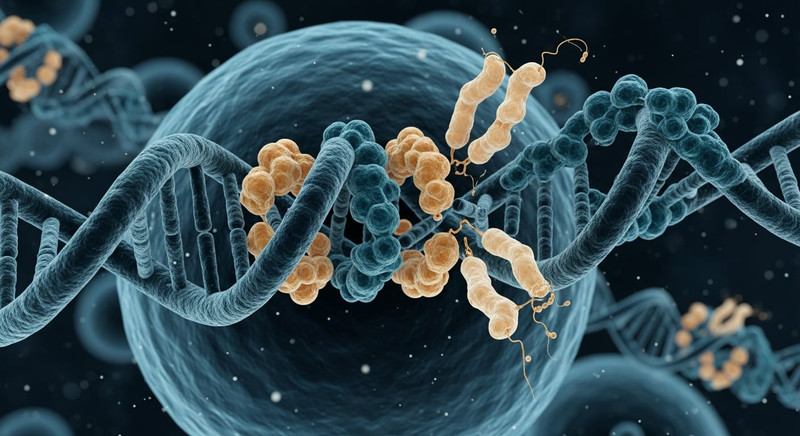
AI uncovers new insights into human DNA structure and function
Researchers in the US found that DNA structures are more dynamic than previously thought, opening new avenues for disease treatment.

IMAX dismisses Disney's Infinity Vision as a marketing ploy
IMAX responded to Disney's announcement of Infinity Vision, calling it a marketing move to distract from Dune 3's simultaneous release on their screens.
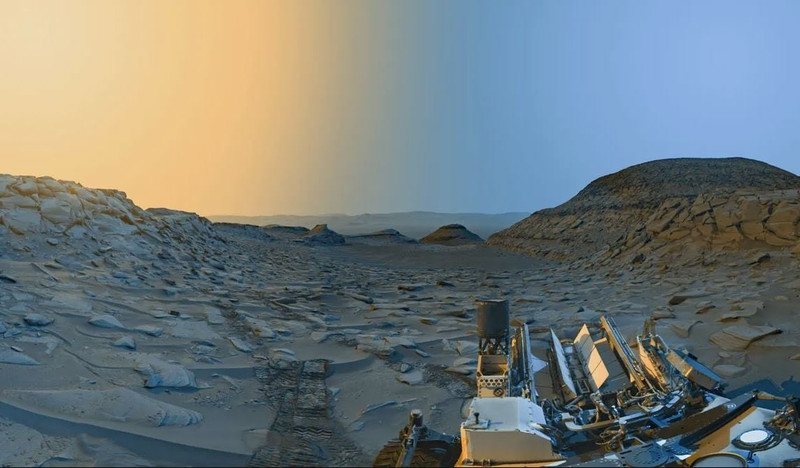
Record Metal Concentration Discovered in Mars Crater Gale
A new international study uncovers unprecedented levels of iron, manganese, and zinc in a rock layer of Gale Crater, hinting at past habitable conditions.

Seeds detect rain sounds and speed up germination, study finds
Research from MIT shows that seeds can perceive vibrations caused by rain, influencing their growth and survival strategies.
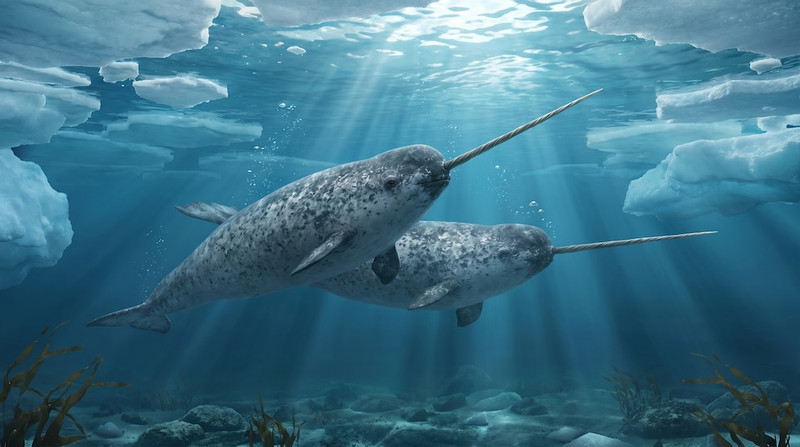
The Sea Unicorn: Its Horn Is Actually a Tooth Filled with Nerves
The narwhal, known as the sea unicorn, has an iconic horn that is actually a long tooth filled with nerves, a result of unique evolution.
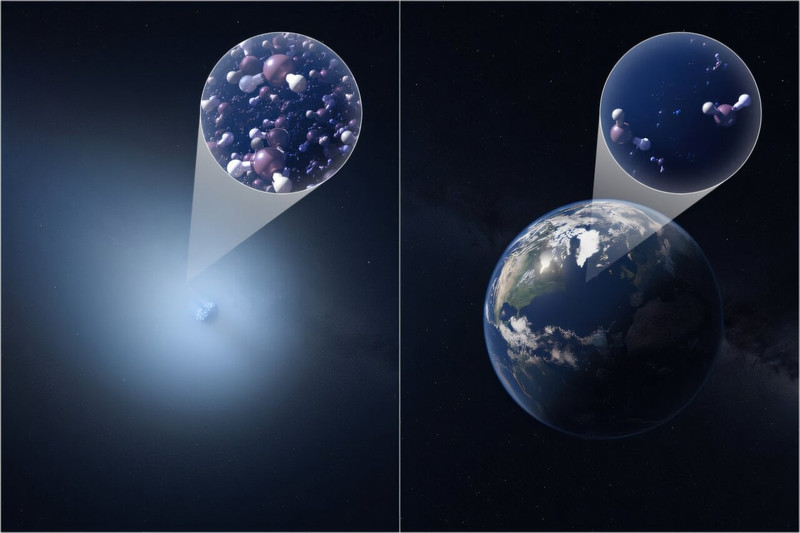
Interstellar Comet 3I/ATLAS Shows Record Levels of Heavy Water
The interstellar comet 3I/ATLAS passing through our Solar System exhibits a much higher amount of heavy water than local comets, revealing its cold, distinct origin.
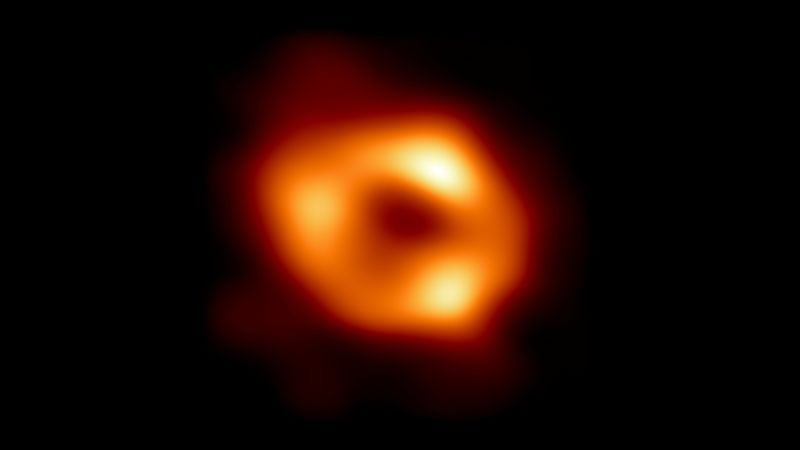
Source of Gas Clouds Feeding Sagittarius A* Identified
A new study shows that a massive binary star near Sagittarius A* is responsible for the gas clouds fueling the supermassive black hole.
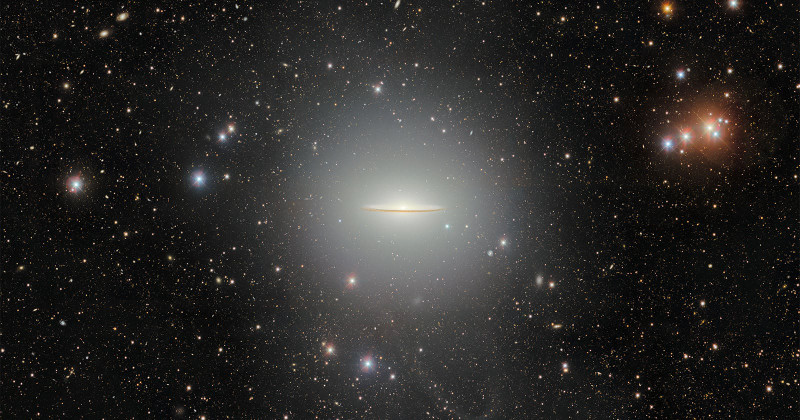
570-Megapixel Dark Energy Camera captures the Sombrero Galaxy
The 570-megapixel Dark Energy Camera pointed its 4-meter telescope at Messier 104, revealing an extraordinary side view of the galaxy.
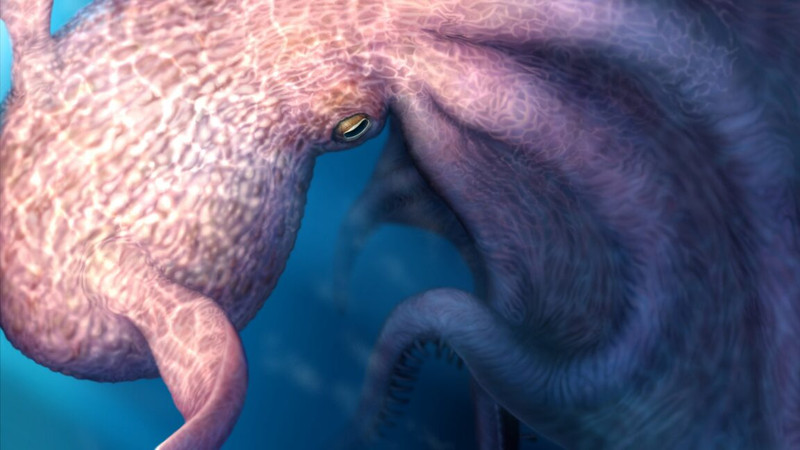
A 19-meter giant octopus swam with mosasaurs in the Cretaceous seas
80 million years ago, Cretaceous oceans were ruled by large reptiles and sharks. New findings reveal a giant invertebrate predator that challenged this view.
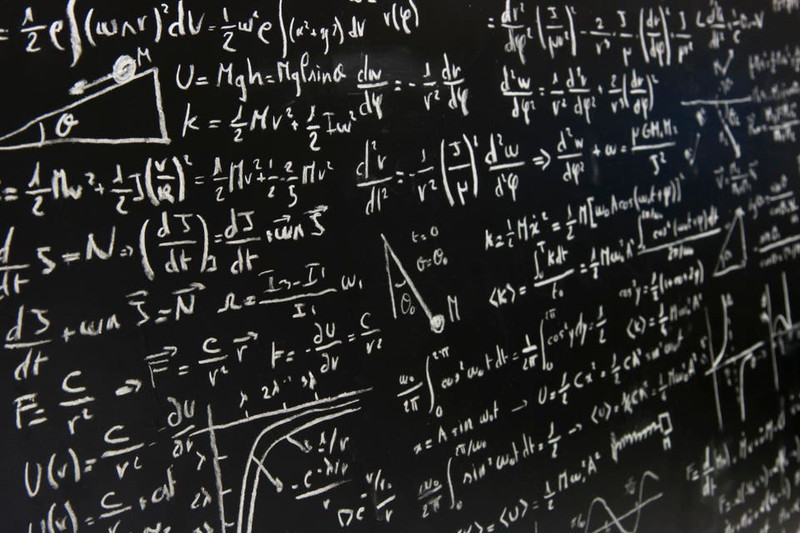
Mathematics Does Not Define the World, We Define It With Math
Recent philosophical insights challenge the idea that math shapes reality. Instead, we use math to describe what already exists.