
The NYT Mini Crossword: A Daily Digital Ritual and Its Global Impact
The NYT Mini Crossword has cemented its place as an essential digital pastime for millions, offering a quick and accessible mental challenge every day. This article explores its popularity, clever design, and the phenomenon behind this small yet addictive puzzle.
Introduction to the Digital Phenomenon
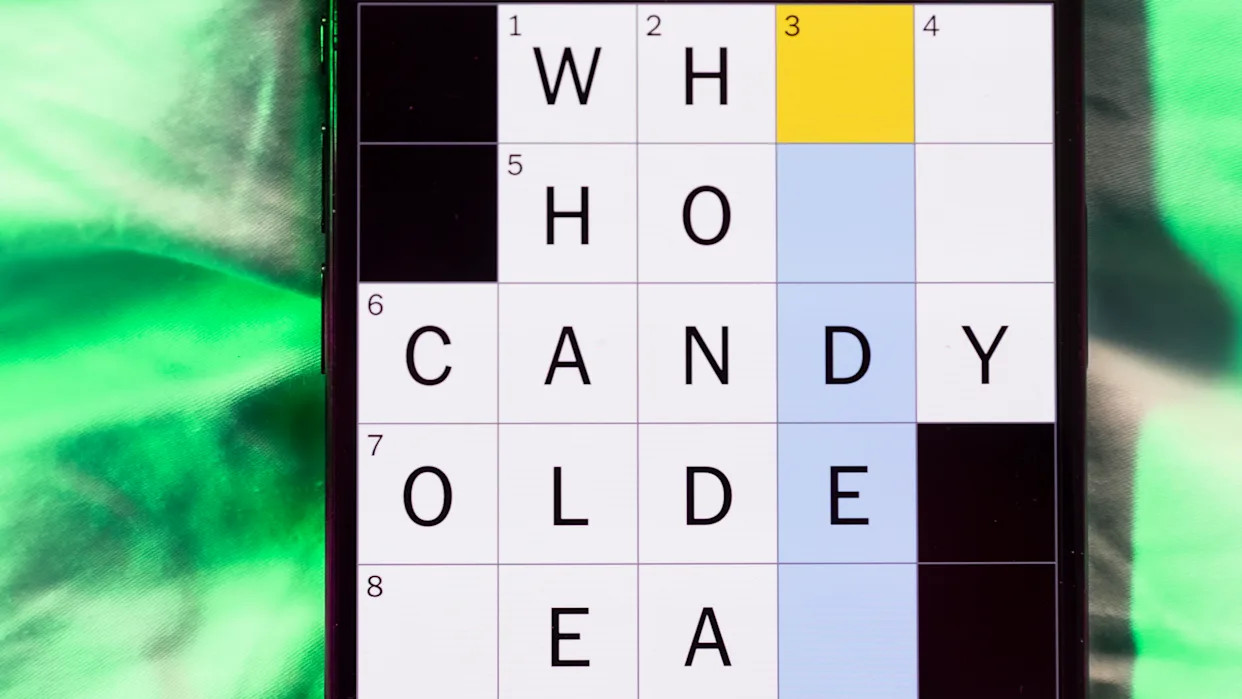
The NYT Mini Crossword has firmly established itself as a cornerstone in the digital routine of millions worldwide. Every day, this small yet ingenious puzzle offers a quick dose of mental stimulation, becoming a morning ritual or a welcome break during the day. The search for "hints and answers" for a specific day's puzzle, such as Friday, April 3, is a testament to its widespread popularity and players' desire to conquer each challenge. This phenomenon extends beyond a simple game; it's an integral part of contemporary digital culture, showcasing the power of interactive pastimes in the modern era.
What is the NYT Mini Crossword?
Unlike its larger sibling, The New York Times' main crossword, known for its complexity and size, the NYT Mini is designed to be completed in a matter of minutes. Released daily in a digital format, it typically features a 5x5 or 7x7 grid, making it perfect for a quick session during morning coffee, a commute, or a short break. Its concise format not only makes it accessible to a broad audience but also lowers the barrier to entry for those who might feel intimidated by traditional crosswords, inviting them to delve into the world of word puzzles.
The Key to Its Massive Success
The NYT Mini's popularity stems from a combination of strategic and psychological factors. First, its accessibility: it's available on the NYT Crossword app and its website, allowing users to access it from virtually any device with an internet connection. Second, instant gratification: the puzzle's brief nature means players can experience the satisfaction of completing it quickly, which encourages daily repetition and builds a habit. Third, mental stimulation: though "mini," the puzzle remains a brain exercise that helps keep the mind sharp, expands vocabulary, and improves problem-solving skills in a playful way.
The Player Experience and the Search for Help
For many, solving the NYT Mini is a personal challenge and a way to gauge their daily mental agility. However, it's not uncommon to encounter a particularly elusive clue that halts progress and causes frustration. It's in these moments that the online community and help resources come into play. Searching for "hints and answers" for the day's puzzle, like the one mentioned for April 3, is a common practice. This not only helps players overcome an obstacle but can also serve as a learning tool, revealing new words or associations that enrich future experiences and enhance their skills for upcoming challenges.
Beyond the Game: A Cultural Phenomenon
The NYT Mini Crossword has transcended its function as a mere pastime to become a significant cultural fixture. It's shared on social media, discussed among friends and colleagues, and often integrated into daily routines as a small, shared ritual. Its success has significantly contributed to The New York Times' digital strategy, attracting a younger and more diverse audience to its content ecosystem. This puzzle demonstrates the power of well-designed casual games to foster user engagement, loyalty, and ultimately, subscriptions to digital media products.
Conclusion: A Consolidated Digital Ritual
In summary, the NYT Mini Crossword is far more than just a simple set of crosswords; it's a brilliant example of how intelligent design, unparalleled accessibility, and consistent delivery can create an addictive and culturally relevant digital product. For the millions who solve it every day, whether with or without assistance, the Mini represents a small daily victory, a moment of focus and enjoyment in an increasingly fast-paced world. Its legacy as a pillar of digital entertainment and an engagement tool for The New York Times is, without a doubt, secured.
Article topics
Related articles
Diablo 4's Paladin is the Only Class Not to Beat The Pit Tier 150 in Season 13
As Diablo 4 Season 13 concludes, the Paladin stands as the sole class unable to conquer The Pit's highest tier.

Stuntman Hollywood: Returns After 19 Years to PS5, Xbox Series, and PC
The iconic action and vehicular stunt franchise makes its comeback courtesy of Saber Interactive, promising a dose of nostalgia and adrenaline for the new generation.

Tomb Raider: Legacy of Atlantis Arrives February 2027 with Pre-Order Bonuses
Crystal Dynamics and Amazon Games announce the release date for the reimagining of the 1996 classic, along with details on editions and exclusive pre-order content.
Latest news
View all
Elon Musk Plans Space Data Centers to Ease AI Energy Crisis
The escalating energy demand for artificial intelligence and terrestrial data centers is driving SpaceX to explore space-based solutions, with Starship being key to economic viability.
US Government Suspends Access to Anthropic's Fable 5 and Mythos 5 AI Models
A national security directive forces Anthropic to disable its advanced AI models, Fable 5 and Mythos 5, for all customers starting June 12, 2026.

Google Launches Gemini 3.5 Live Translate for Instant Voice Translation
Google expands real-time translation availability with Gemini 3.5 Live Translate, offering lower latency and support for over 70 languages.
Comments (0)
No comments yet. Be the first!
Leave a comment