
Removable Phone Batteries: Europe Drives Radical Change in Smartphones by 2027
The European Union is advancing its goal to reduce electronic waste. A new regulation will require mobile phone manufacturers to make their batteries easily removable and user-replaceable.
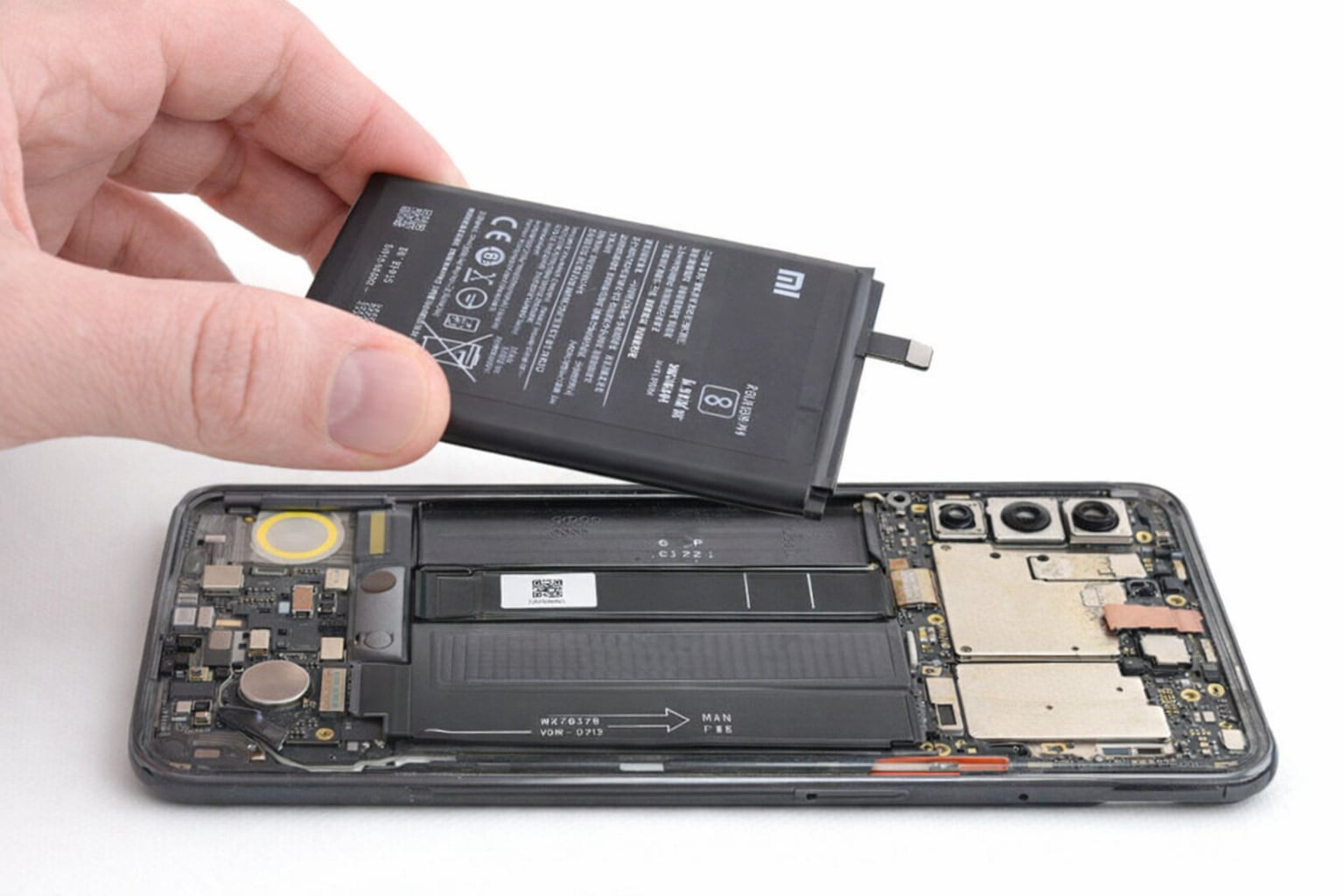
The European Union has taken a significant step to reduce electronic waste and extend the lifespan of electronic devices. Starting in 2027, a new regulation will require mobile phone manufacturers to make their batteries easily removable and user-replaceable, marking a pivotal moment for the tech industry.
This initiative, long under discussion, was solidified with the recent publication of the consolidated European Regulation on batteries and accumulators. It will no longer be sufficient to allow battery changes only in specialized workshops. Smartphone designs must now enable any user to remove and replace the battery without needing specialized tools.
A battery will be considered "easily removable" if it meets these criteria:
- It can be removed using commercially available tools, such as standard screwdrivers.
- It does not require proprietary devices, thermal energy, or solvents.
- If a specific tool is necessary for a model, the manufacturer must include it free of charge with the product or replacement part.
One of the most significant changes introduced by the regulation is the prohibition of batteries glued to the motherboard. Until now, many manufacturers use strong adhesives that require heat or solvents to remove the battery, complicating the process and limiting consumers' "right to repair." This practice will be banned, forcing brands to redesign their phone interiors for easier replacement.
Furthermore, the European law includes a clause preventing device software from blocking battery substitution. This means the operating system cannot impede normal phone operation or restrict functions if it detects a replacement battery not validated by the manufacturer. This practice, known as "parts pairing," sometimes disables key functions or displays warnings when identifying unofficial components.
This measure aims to empower users and extend the lifespan of our devices.
The regulation also mandates that manufacturers include clear and accessible instructions for battery replacement. These instructions must be available not only in the packaging but also online, allowing any user to consult the process at any time. The goal is to ensure a safe and straightforward procedure, without risks to the community.
Finally, the European regulation requires replacement batteries to be available for at least five years after the last unit of the corresponding model has been sold. Additionally, the price of these batteries must be "reasonable and non-discriminatory," preventing manufacturers from imposing excessive costs. This is great news for the planet and your wallet, and at Tricuatro, we will keep you informed of all developments!
Article topics
Related articles
Elon Musk Plans Space Data Centers to Ease AI Energy Crisis
The escalating energy demand for artificial intelligence and terrestrial data centers is driving SpaceX to explore space-based solutions, with Starship being key to economic viability.

Windows 95 Runs on Texas Instruments Graphing Calculator
A modder successfully ported Windows 95 to a TI-Nspire CX II, showcasing modern calculator hardware capabilities.
SpaceX IPO Values Company at $1.77 Trillion on Nasdaq
SpaceX's anticipated public offering on the Nasdaq positions it as the seventh most valuable U.S. listed company, marking a significant financial milestone.
Latest news
View all
US Government Suspends Access to Anthropic's Fable 5 and Mythos 5 AI Models
A national security directive forces Anthropic to disable its advanced AI models, Fable 5 and Mythos 5, for all customers starting June 12, 2026.

Google Launches Gemini 3.5 Live Translate for Instant Voice Translation
Google expands real-time translation availability with Gemini 3.5 Live Translate, offering lower latency and support for over 70 languages.

Humanoid Robot Pemba Climbs Chimborazo, Sets Sights on Everest Summit
The humanoid robot Pemba, an adaptation of the Unitree G1, recently ascended over 6,000 meters on Chimborazo and now aims to conquer Mount Everest. This technological feat paves the way for new forms of exploration in extreme environments.
Comments (0)
No comments yet. Be the first!
Leave a comment