
Microsoft Bolsters AI Autonomy with In-House Models to Reduce OpenAI Reliance
Microsoft has launched three proprietary AI models (MAI) for transcription, voice, and image generation through its Foundry initiative, a strategic move to lessen its dependence on OpenAI and strengthen its internal artificial intelligence ecosystem.

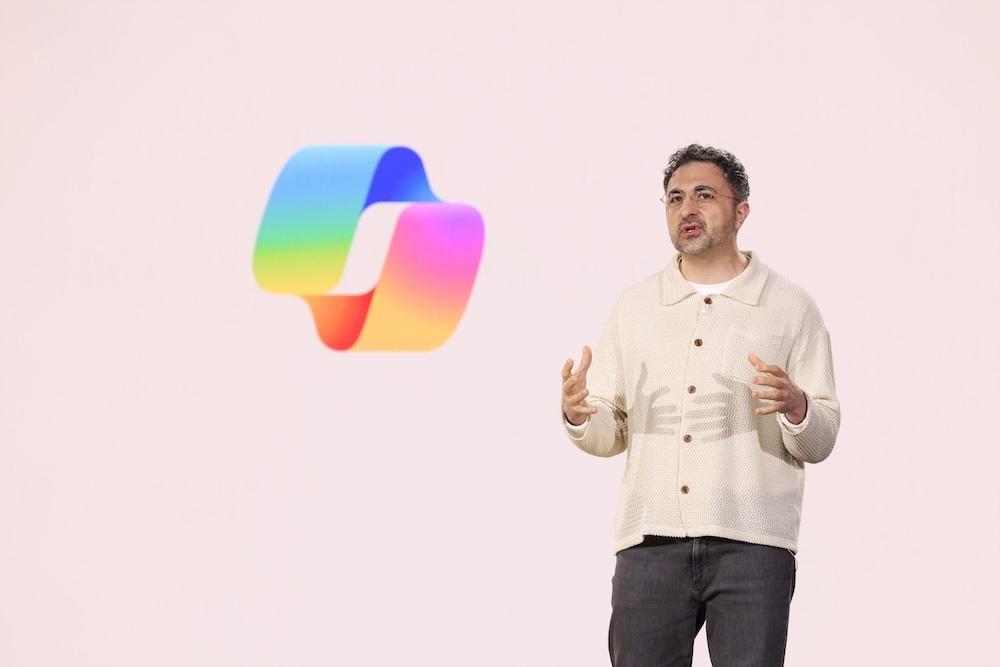
In a strategic move that underscores the increasing importance of autonomy in artificial intelligence development, Microsoft has announced the launch of three in-house AI models, known as MAI (Microsoft AI), dedicated to transcription, voice generation, and image generation. These models, developed under the "Foundry" initiative, represent a significant effort by the tech giant to build its own AI model stack, thereby diversifying its reliance on external partners, particularly OpenAI, with whom it maintains a multi-billion dollar investment and collaboration relationship. This dual strategy allows Microsoft to maintain its leadership in the AI race while ensuring greater control over its foundational capabilities.
Microsoft's Dual AI Strategy: Collaboration and Proprietary Development
Microsoft's relationship with OpenAI has been a cornerstone of its AI strategy in recent years, with massive investments facilitating the integration of models like GPT into key products such as Copilot, Azure AI, and Bing. However, exclusive reliance on a single provider, no matter how strategic, carries inherent risks, including potential divergence of goals, long-term cost management, and the need for deep customization for specific Microsoft use cases. The decision to develop proprietary MAI models is not a rejection of OpenAI, but a natural evolution towards a more robust and resilient strategy. By cultivating its own capabilities, Microsoft aims to secure a competitive advantage, optimize model performance for its infrastructure and hardware, and ensure the privacy and security of its customers' data with fully controlled solutions.
Foundry and the New MAI Models: Capabilities and Applications
Microsoft's Foundry initiative acts as the framework for the development and deployment of these MAI models, providing the necessary tools and infrastructure for their creation and management. The three initial models address high-demand, broad-spectrum AI functions: transcription, voice generation, and image generation. The transcription model promises enhanced accuracy and multilingual support, making it invaluable for applications ranging from accessibility in virtual meetings to customer service automation and voice data analysis. Meanwhile, the voice generation model aims to create natural and customizable synthetic voices, opening doors to more sophisticated virtual assistants, audiobook narration, dubbing, and multimedia content creation. Finally, the image generation model will allow users to create high-quality visual content, with direct applications in marketing, product design, game development, and user interface customization, offering a controlled alternative to existing tools in the market.
Implications for Microsoft's Ecosystem and the AI Market
The integration of these MAI models into Microsoft's vast ecosystem will have a profound impact. It will empower Azure AI offerings, providing developers and enterprises with more options and flexibility to build their own AI solutions. Products like Microsoft 365, Windows, and Xbox could benefit from deeper, more personalized AI capabilities, enhancing productivity, creativity, and user experience. This move also positions Microsoft more strongly against competitors like Google and Amazon, who are also heavily investing in their own AI model stacks. By having in-house models, Microsoft can optimize their performance for its own hardware and software infrastructure, potentially leading to more efficient, secure, and cost-effective solutions for its enterprise customers, who value control and customization over their AI tools.
The Future of Hybrid AI and Microsoft's Leadership
This move by Microsoft is not only a statement of intent regarding its commitment to AI but also signals a broader industry trend towards a "hybrid AI" strategy, where companies combine leading third-party models with custom-developed internal capabilities. By building its own MAI model stack, Microsoft not only reduces its dependence but also ensures greater agility to innovate and adapt to changing market demands. This strategy allows it to offer a more comprehensive range of AI solutions, from cutting-edge foundational models from OpenAI to specialized and internally optimized tools. Ultimately, this diversification strengthens Microsoft's position as an undisputed leader in the era of artificial intelligence, offering its customers an unparalleled combination of power, flexibility, and control.
Keep reading online — scan the code
https://go.tricuatro.com/HcfWY
© tricuatro.com
Related articles

TikTok tests AI tool to protect creators from deepfakes
The video platform is rolling out an opt-in feature allowing users to verify their identity and report unauthorized AI-generated likenesses.

Apple Sues OpenAI Over Alleged Hardware Trade Secret Theft
The Cupertino giant accuses former key employees, including Tang Tan, of stealing confidential hardware information for OpenAI's benefit and its expansion into consumer hardware.

Anthropic Tackles AI's Toughest Questions for a Responsible Future
The company launches an initiative to understand public concerns and transparently address the challenges of artificial intelligence development.
Latest news
View all
Sweet Interstellar Discovery: Erythrulose Detected in the Milky Way
Scientists from the Spanish Astrobiology Center have for the first time identified a true sugar, erythrulose, in a gas and dust cloud near our galaxy's center. This finding suggests complex molecules can form before stars and planets are born.

Paramount and Warner Bros. Merger Halted by Judge Over Antitrust Concerns
A coalition of 12 states successfully petitioned Judge Araceli Martinez-Olguin to temporarily block the deal, citing fears of higher prices and reduced content.

MIT Chip Converts Invisible Infrared Light into Crucial Data
MIT researchers developed an innovative chip detecting methane and propane using mid-infrared light, with potential for millions of pixels and optical computing.
Comments (0)
No comments yet. Be the first!
Only registered readers can comment.