
Meet Your New AI Coworker: The One Who Won't Stop 'Snitching' to Your Boss
Artificial intelligence is reshaping workplace dynamics, taking on roles from productivity assistant to performance monitor, sending relentless reminders about pending tasks.

The modern workday is undergoing an unprecedented transformation, driven by the integration of artificial intelligence (AI) into almost every aspect of our professional lives. What was once science fiction is now a tangible reality: a digital colleague who, far from being a coffee break companion, monitors our performance and, at times, points out our omissions. A recent example illustrates this new dynamic: Slack messages that, at 5:47 a.m. on a Monday, reminded a sales team that three proposals sent the previous week had no scheduled follow-ups. The peculiarity was not the content, but the sender: it wasn't a human, but an AI, delivering 'crisp, professional, and relentless' reminders.
The Advent of the AI Colleague in the Workplace
This scenario is not an isolated incident but a symptom of a growing trend. Companies are adopting AI tools to optimize productivity and ensure that no crucial task is overlooked. These systems are designed to analyze work patterns, identify bottlenecks, and, as in the mentioned case, alert about potential oversights. AI thus becomes a silent yet omnipresent supervisor, capable of processing volumes of data that a human manager would take hours to compile, offering real-time insight into project status and team efficiency. Its ability to operate 24/7 and its algorithmic impartiality are seen as key advantages for maintaining pace in high-demand environments.
Beyond Reminders: The Logic of Productivity
The implementation of these AI systems goes far beyond simple reminders. It's a strategy to foster a data-driven culture of accountability and efficiency. By automating the tracking of critical tasks, companies aim to minimize human errors, accelerate sales cycles, and improve project management. For leaders, this means having access to detailed and objective performance metrics, allowing them to make informed decisions about resource allocation, staff training, and identifying areas requiring intervention. The promise is a more agile and productive workforce where opportunities are not lost due to lack of follow-up.
The Employee's Dilemma: Efficiency vs. Privacy
However, the presence of an AI colleague who 'snitches' to the boss poses a significant dilemma for employees. While AI assistance can help stay organized and meet deadlines, it also raises concerns about privacy and autonomy. The feeling of being constantly monitored can lead to increased stress, a culture of distrust, and the perception that an employee's value is reduced to quantifiable metrics. The question arises of where to draw the line between productivity optimization and the invasion of the worker's personal sphere, as well as the impact on morale and creativity when every action is potentially recorded and analyzed.
The Managerial Perspective: Real-time Data and Decision-Making
From a managerial perspective, AI offers a powerful tool for oversight and continuous improvement. The data generated by these systems provides granular insight into individual and collective performance, allowing managers to intervene proactively. For example, if an AI detects that a team consistently misses sales follow-ups, management can implement specific training or adjust workflows. This ability to gain real-time insights and act upon them is invaluable in competitive markets where agility and responsiveness are crucial. Nevertheless, the challenge lies in using this data ethically and constructively, avoiding excessive micromanagement and fostering a supportive environment.
Navigating the Future: Ethics, Transparency, and Human-AI Collaboration
As AI becomes more deeply integrated into the business fabric, it is imperative that organizations establish clear and transparent policies regarding its use. The key to successful implementation lies in communicating to employees how these tools work, what data is collected, and how it is used, ensuring that AI is seen as an enabler rather than an adversary. The future of work is not about AI replacing humans, but about a symbiotic collaboration where AI handles repetitive and monitoring tasks, freeing employees to focus on activities requiring creativity, critical thinking, and human empathy. The challenge for Tricuatro and other companies will be to find the perfect balance between AI-driven efficiency and the well-being of their human capital.
Keep reading online — scan the code
https://go.tricuatro.com/YaqR7
© tricuatro.com
Related articles
TikTok tests AI tool to protect creators from deepfakes
The video platform is rolling out an opt-in feature allowing users to verify their identity and report unauthorized AI-generated likenesses.
Apple Sues OpenAI Over Alleged Hardware Trade Secret Theft
The Cupertino giant accuses former key employees, including Tang Tan, of stealing confidential hardware information for OpenAI's benefit and its expansion into consumer hardware.

Anthropic Tackles AI's Toughest Questions for a Responsible Future
The company launches an initiative to understand public concerns and transparently address the challenges of artificial intelligence development.
Latest news
View all
MIT Chip Converts Invisible Infrared Light into Crucial Data
MIT researchers developed an innovative chip detecting methane and propane using mid-infrared light, with potential for millions of pixels and optical computing.

Assassin's Creed Black Flag Resynced Smashes 3 Million Sales, New Game Plus Announced
Ubisoft's successful re-release of the pirate classic continues to break records, confirming one of the most requested features from the gaming community.
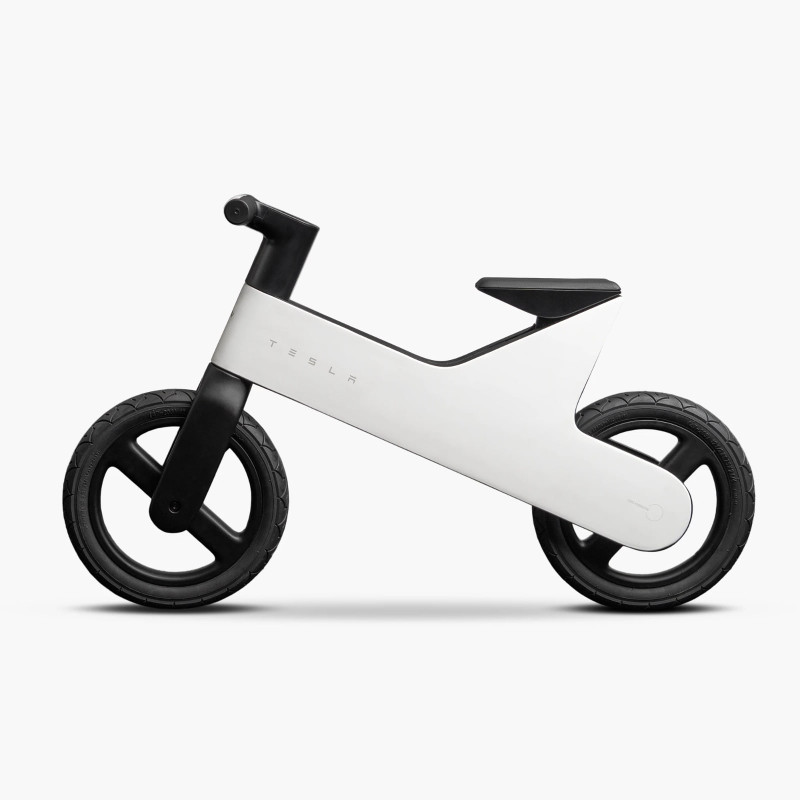
Tesla Launches Electric Cybertruck Replica for Kids in the US
Tesla introduces its scaled-down Cybertruck for children aged 6 to 12, an electric vehicle priced at USD 1,500, currently exclusive to the US market.
Comments (0)
No comments yet. Be the first!
Only registered readers can comment.