
Mars Reveals Subsurface Magma Rivers, Rewriting Its Geological History
A University of Oxford team discovered vast magma systems beneath the Martian surface, suggesting a more dynamic and potentially habitable planet than previously believed.

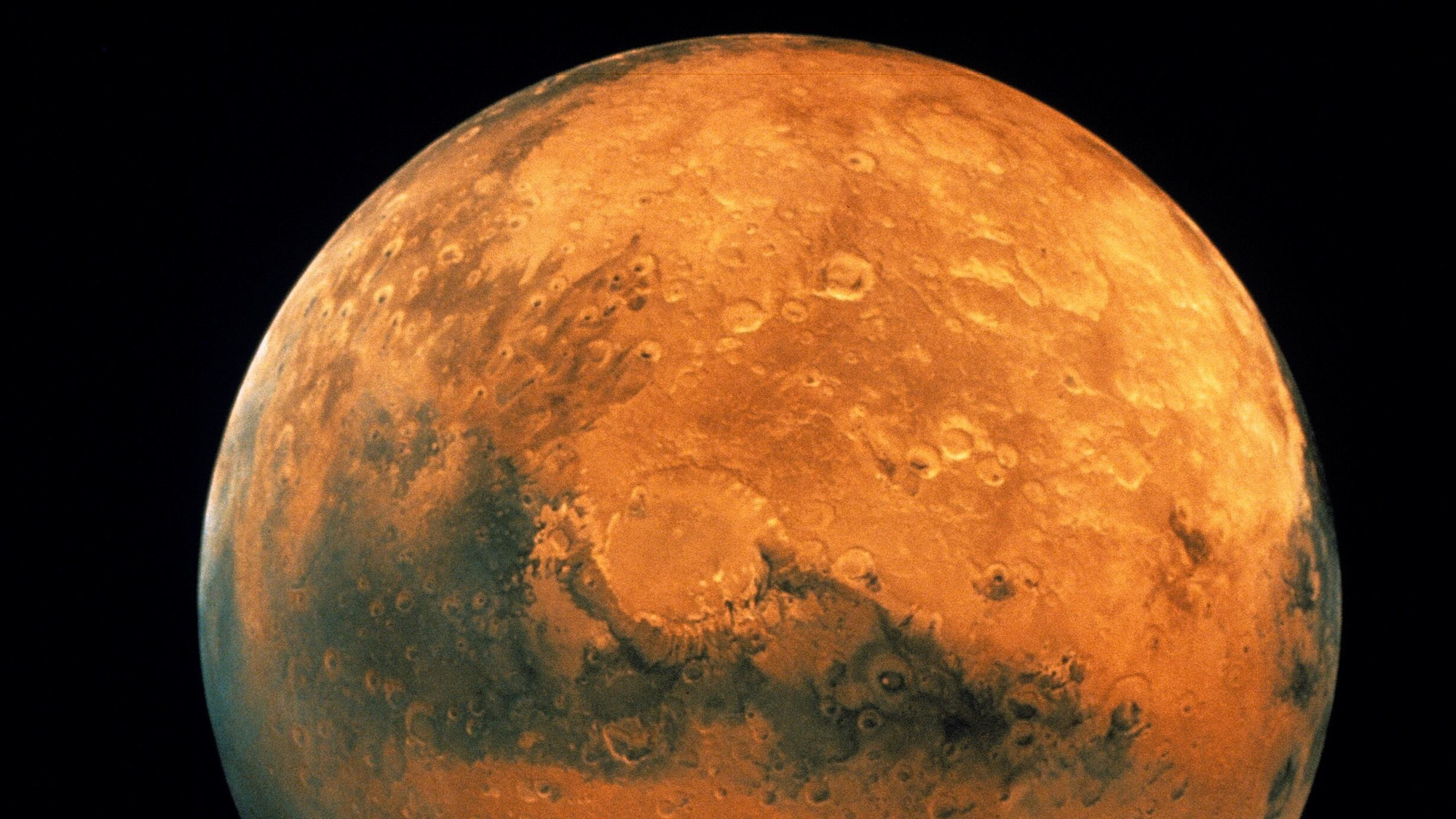
A hidden boundary beneath Mars' surface has just rewritten the Red Planet's geological history. A team from the University of Oxford has discovered that rivers of magma traversed the Martian subsurface for millions of years, opening the possibility that Mars was far more dynamic and perhaps more habitable than previously thought. This finding challenges decades of theories about Martian geology and could change how scientists search for life beyond Earth.
The research, published in the prestigious journal "Nature Astronomy," is based on seismic data collected by NASA's InSight probe. This spacecraft detected waves generated by meteorite impacts and internal movements, allowing scientists to observe structures 24 kilometers deep. What's truly remarkable is not just the existence of a chemical boundary in the subsurface, but the system's size and complexity: magma would have accumulated and moved laterally in networks spanning hundreds or thousands of kilometers.
This discovery suggests a much more prolonged and complex internal activity within Mars. The study's lead author, Tobermory Mackay-Champion, highlighted the planet's capacity to sustain these processes.
“The planet could sustain massive and long-lived magmatic systems,” explained lead author Tobermory Mackay-Champion in statements released by the University of Oxford.
Mackay-Champion added that "these systems evolve and reprocess molten rock throughout the crust." This means Mars was not merely a world with scattered volcanoes, but operated with an intricate internal network of heat and materials, functioning as a kind of planetary "subsurface plumbing."
Until now, most scientific models described Mars as a "stagnant lid" planet. This implies that its crust, unlike Earth's, is not divided into tectonic plates that move and recycle materials. This lack of tectonics was historically associated with a reduced capacity to create complex environments, and thus less conducive to life. However, the "transcrustal magmatism" detected in this study radically shifts this paradigm.
Co-author Jon Wade emphasized the broad implications of this finding. According to Wade, "if Mars could develop this type of complex crust without plate tectonics, perhaps habitability conditions can arise on more planets than we thought." This opens new avenues for the search for life, suggesting that chemical diversity and the recycling of essential elements are not exclusive to worlds with plate tectonics.
Analysis of NASA's seismic data revealed that magma not only heated the Martian interior but also transported water and gases to the surface. Complex magmatic systems are crucial because they can facilitate the movement of water and volatile compounds, thereby creating environments where chemistry is varied and potentially suitable for the development of life. The study identified a dense layer of ultramafic materials beneath a more silica-rich crust, the result of millions of years of melting, cooling, and mineral separation, though it is not a current magma ocean, but the solidified structure of that ancient process.
Beyond habitability, complex magmatic systems also have economic and exploration implications. They could have generated large deposits of metals near the surface. "Because these systems generate large metallic deposits, Mars may harbor greater mineral wealth near the surface than we calculated," Mackay-Champion stated. This significantly increases the planet's appeal for future crewed missions and, in the long term, for the establishment of human colonies.
The research suggests that this phenomenon extends across much of the Martian northern hemisphere. Nevertheless, scientists warn that information from other regions of the planet is still lacking. More seismometers and additional analyses will be necessary to determine how much the structure varies under different zones and, crucially, for how long this magmatic network remained active.
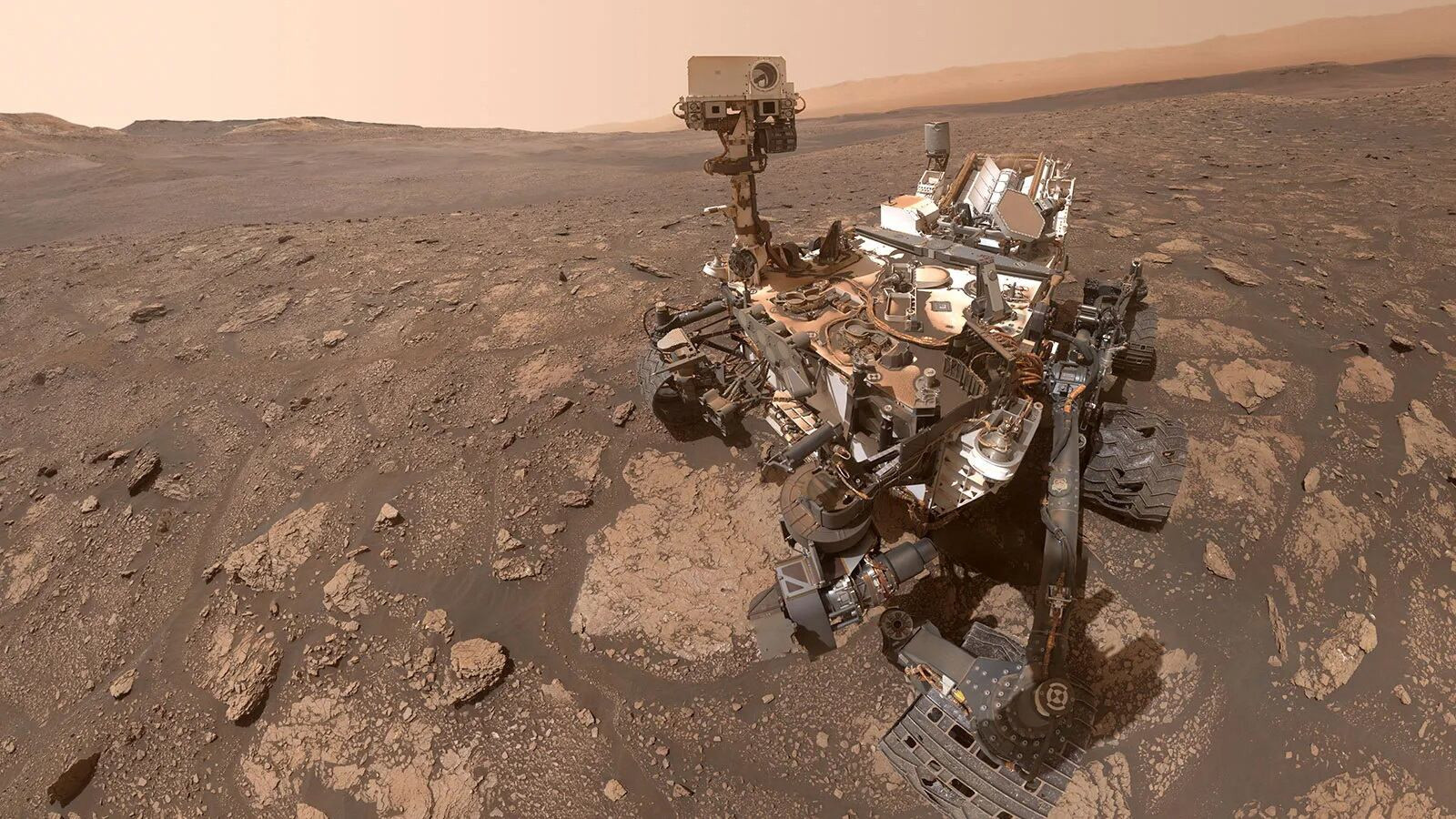
The Red Planet still hides much of its history beneath the dust, but this discovery offers a new roadmap for exploring both Mars and other rocky planets. Jon Wade summarized this vision in the official University of Oxford statement: "This work expands the type of worlds where favorable conditions could arise," challenging the notion that plate tectonics is indispensable for life.
Keep reading online — scan the code
https://go.tricuatro.com/mars-rev
© tricuatro.com
Article topics
Related articles
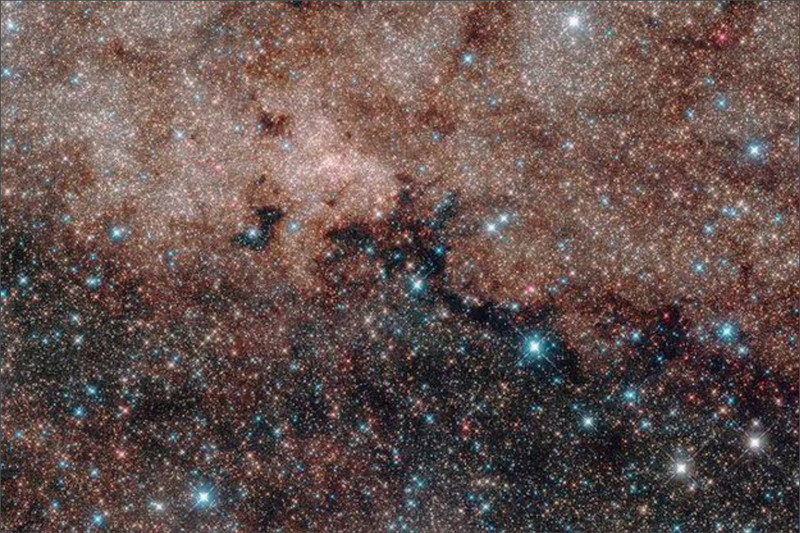
Sweet Interstellar Discovery: Erythrulose Detected in the Milky Way
Scientists from the Spanish Astrobiology Center have for the first time identified a true sugar, erythrulose, in a gas and dust cloud near our galaxy's center. This finding suggests complex molecules can form before stars and planets are born.
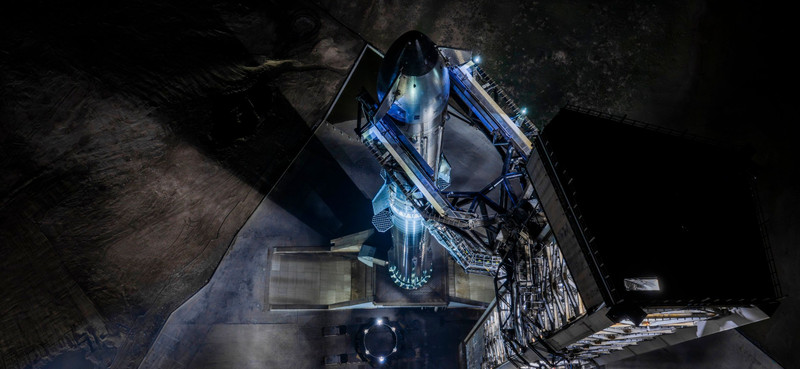
SpaceX Scrubs Starship Test Flight in South Texas
Computer systems detected an anomaly during the Super Heavy booster's engine startup sequence, forcing the mission's abort.
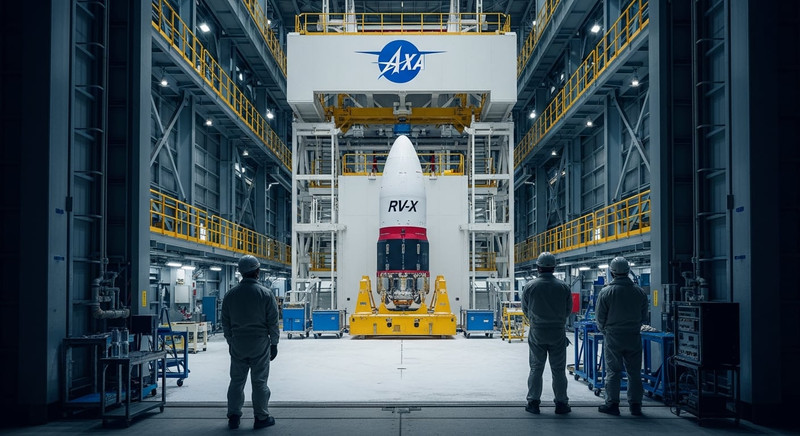
JAXA's RV-X Reusable Rocket Successfully Completes First Flight
Japan's space agency JAXA successfully tested its RV-X prototype, a critical step towards reducing costs and boosting competitiveness in the global space market.
Latest news
View all
Paramount and Warner Bros. Merger Halted by Judge Over Antitrust Concerns
A coalition of 12 states successfully petitioned Judge Araceli Martinez-Olguin to temporarily block the deal, citing fears of higher prices and reduced content.

MIT Chip Converts Invisible Infrared Light into Crucial Data
MIT researchers developed an innovative chip detecting methane and propane using mid-infrared light, with potential for millions of pixels and optical computing.

Assassin's Creed Black Flag Resynced Smashes 3 Million Sales, New Game Plus Announced
Ubisoft's successful re-release of the pirate classic continues to break records, confirming one of the most requested features from the gaming community.
Comments (0)
No comments yet. Be the first!
Only registered readers can comment.