
Japan deploys its own drone defense system in Ukraine for the first time
Japan has taken a significant step by bringing its advanced drone interceptor system to the Ukrainian battlefield, marking a new phase in international cooperation.
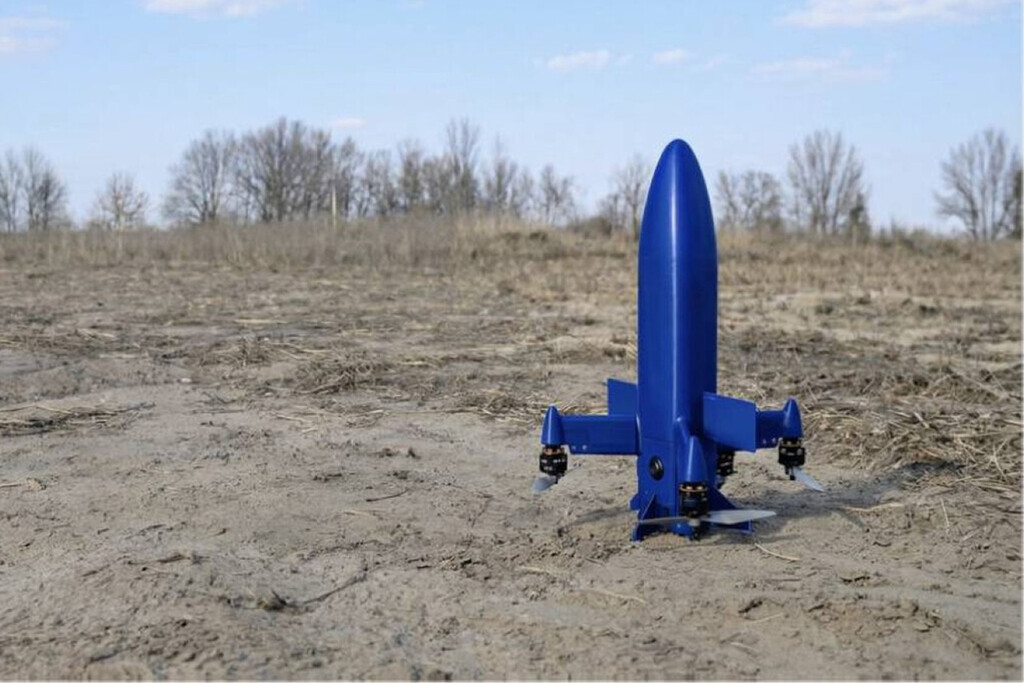
In a surprising move, Japan has actively entered the Ukraine conflict by deploying its own technology on the battlefield. Managed by Terra Drone, this initiative involves not only investing in Ukrainian drone systems but also deploying a real combat-ready interceptor drone. This marks a notable shift in Japan’s defense policy, which had been cautious about direct involvement in international conflicts until now.
The key system is the Terra A1 drone interceptor, designed specifically to counter threats like the Shahed drones used heavily by Russia. These drones reach speeds close to 300 km/h and have a range of about 32 kilometers, allowing them to detect and attack targets within a single mission cycle. The main advantage lies in their low cost, with each interceptor costing only a few thousand dollars, compared to traditional surface-to-air missiles that can exceed a million dollars each.
The cost difference enables Ukraine to respond to large-scale drone swarms without depleting strategic resources on each interception.
This volume-based, cost-effective defense strategy signals a shift in the conflict dynamics, where wars are fought not only with expensive weapons but also with affordable, efficient solutions. The collaboration between Ukraine and Japan combines combat experience with industrial capacity, creating a new actor in modern warfare. Ukraine provides real-world combat knowledge, while Japan offers manufacturing and scaling capabilities, strengthening Ukraine’s resistance against increasingly sophisticated threats.
This move by Japan reflects an evolution in its defense stance and signals how current conflicts are driving technological innovation and strategic alliances beyond traditional borders.
Article topics
Related articles
Elon Musk Plans Space Data Centers to Ease AI Energy Crisis
The escalating energy demand for artificial intelligence and terrestrial data centers is driving SpaceX to explore space-based solutions, with Starship being key to economic viability.

Windows 95 Runs on Texas Instruments Graphing Calculator
A modder successfully ported Windows 95 to a TI-Nspire CX II, showcasing modern calculator hardware capabilities.
SpaceX IPO Values Company at $1.77 Trillion on Nasdaq
SpaceX's anticipated public offering on the Nasdaq positions it as the seventh most valuable U.S. listed company, marking a significant financial milestone.
Latest news
View all
US Government Suspends Access to Anthropic's Fable 5 and Mythos 5 AI Models
A national security directive forces Anthropic to disable its advanced AI models, Fable 5 and Mythos 5, for all customers starting June 12, 2026.

Google Launches Gemini 3.5 Live Translate for Instant Voice Translation
Google expands real-time translation availability with Gemini 3.5 Live Translate, offering lower latency and support for over 70 languages.

Humanoid Robot Pemba Climbs Chimborazo, Sets Sights on Everest Summit
The humanoid robot Pemba, an adaptation of the Unitree G1, recently ascended over 6,000 meters on Chimborazo and now aims to conquer Mount Everest. This technological feat paves the way for new forms of exploration in extreme environments.
Comments (0)
No comments yet. Be the first!
Leave a comment