
Iran Threatens to Attack US Tech Giants and Middle East AI Companies
Iran's Islamic Revolutionary Guard Corps (IRGC) has issued a severe threat against major US tech companies like Apple, Microsoft, and Tesla, accusing them of complicity in the Middle East conflict. This escalation also targets the growing artificial intelligence infrastructure in the region, jeopardizing billions in investments.

Iran's Escalation of Cyber Threats
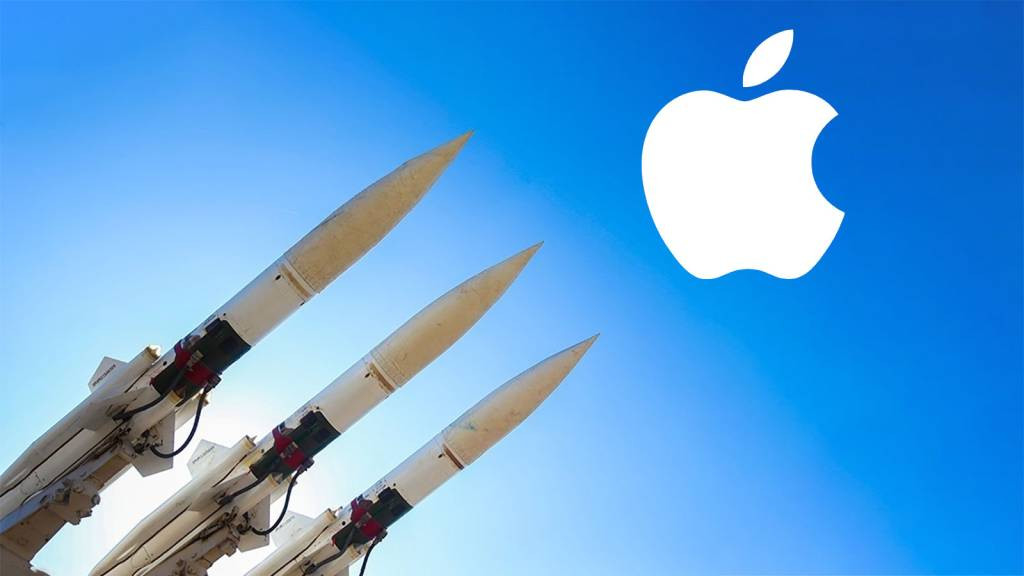
In a move that has sent ripples across the global geopolitical and technological landscape, Iran has issued a stark threat to attack several of the largest technology companies in the United States. The Islamic Revolutionary Guard Corps (IRGC) accused these corporations of playing a crucial role in the armed conflict in the Middle East, labeling them as legitimate military targets. The warning not only includes giants like Apple, Microsoft, Meta, Nvidia, and Tesla, but also financial institutions such as JP Morgan and aerospace manufacturers like Boeing, extending even to G42, a prominent artificial intelligence company from the United Arab Emirates.
Details of the IRGC's Warning and Justification
According to reports, the IRGC published a list of 18 companies, stating that attacks were planned to commence on Wednesday night. In a statement disseminated via Telegram, the Iranian body claimed these companies act as "spies in the service of the United States government" and are "the main element in designing and monitoring terrorist targets." The gravity of the threat is underscored by the demand for employees to immediately evacuate their facilities, and a warning to residents within a one-kilometer radius of the targeted facilities to move away. This justification is framed by the accusation that Washington ignored previous warnings, which resulted in the deaths of Iranian citizens in joint U.S.-Israeli attacks.
A Pattern of Attacks on Tech Infrastructure
Threats against technology companies are not a new phenomenon in the context of the regional conflict. Since the war began, Iran has made the Gulf's artificial intelligence infrastructure one of its priority targets. A clear precedent for this strategy was observed in early March when Iranian drones struck three Amazon Web Services (AWS) data centers in the United Arab Emirates and Bahrain. Two of these facilities in the UAE sustained direct hits, while a third in Bahrain suffered damage from fragments of a nearby explosion. These incidents demonstrate Iran's capability and willingness to carry out physical attacks against critical digital infrastructure, adding a layer of credibility and concern to the recent threats.
The Impact on Middle East AI Strategy
The recent IRGC threat has cast a shadow over the ambitious strategy of establishing AI-focused data centers in the Middle East. Countries like Saudi Arabia and the United Arab Emirates have invested billions of dollars in advanced chips and AI infrastructure, forging strategic agreements with leading companies such as NVIDIA and AMD. Large-scale projects, such as Stargate UAE—one of the world's largest AI initiatives, driven by OpenAI, G42, Oracle, Cisco, and SoftBank—now face considerable uncertainty. The possibility of direct attacks on these facilities not only represents a physical and economic risk but could also deter future international investments and collaborations in a region seeking to diversify its economy beyond hydrocarbons.
Strategic Analysis: Hitting Where It Hurts
Security and geopolitical experts have analyzed the motivation behind these attacks. Daniel Silverberg, an analyst at the Center for a New American Security, noted that Iran demonstrates precise knowledge of its targets. "Iran knows that for the future of these countries, it is critical to diversify into technology, and it is specifically targeting their data centers and energy infrastructure to hit them where it hurts most," Silverberg told The Hill. This perspective suggests that the attacks are not random but part of a calculated strategy to undermine the economic and technological modernization efforts of regional rivals, as well as to send a strong message to the United States and its allies.
The Broader Regional Conflict Backdrop
The Iranian threat is set against a broader, volatile conflict involving the United States, Israel, and Iran, which is far from over. Despite foreign ministers expressing intentions to negotiate, bombings and hostilities persist. The recent bombing in the city of Isfahan, controversially described by former President Donald Trump as "a beautiful" explosion, serves as a grim reminder of the ongoing escalation. In this context of heightened tensions and reciprocal attacks, threats against technological infrastructure and global companies add a new and worrying dimension to an already complex conflict, with significant implications for cybersecurity and the global economy.
Keep reading online — scan the code
https://go.tricuatro.com/1b81M
© tricuatro.com
Related articles

TikTok tests AI tool to protect creators from deepfakes
The video platform is rolling out an opt-in feature allowing users to verify their identity and report unauthorized AI-generated likenesses.
Apple Sues OpenAI Over Alleged Hardware Trade Secret Theft
The Cupertino giant accuses former key employees, including Tang Tan, of stealing confidential hardware information for OpenAI's benefit and its expansion into consumer hardware.

Anthropic Tackles AI's Toughest Questions for a Responsible Future
The company launches an initiative to understand public concerns and transparently address the challenges of artificial intelligence development.
Latest news
View all
MIT Chip Converts Invisible Infrared Light into Crucial Data
MIT researchers developed an innovative chip detecting methane and propane using mid-infrared light, with potential for millions of pixels and optical computing.
Assassin's Creed Black Flag Resynced Smashes 3 Million Sales, New Game Plus Announced
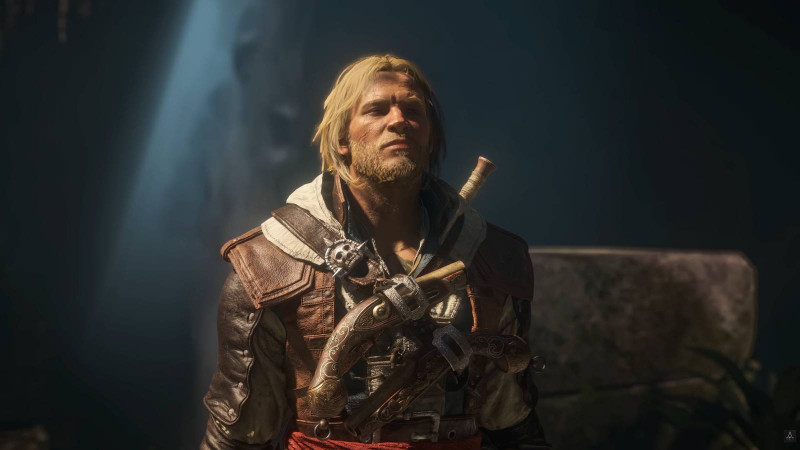
Ubisoft's successful re-release of the pirate classic continues to break records, confirming one of the most requested features from the gaming community.

Tesla Launches Electric Cybertruck Replica for Kids in the US
Tesla introduces its scaled-down Cybertruck for children aged 6 to 12, an electric vehicle priced at USD 1,500, currently exclusive to the US market.
Comments (0)
No comments yet. Be the first!
Only registered readers can comment.