
F1 moves a step closer to fixing its 2026 hybrid problem
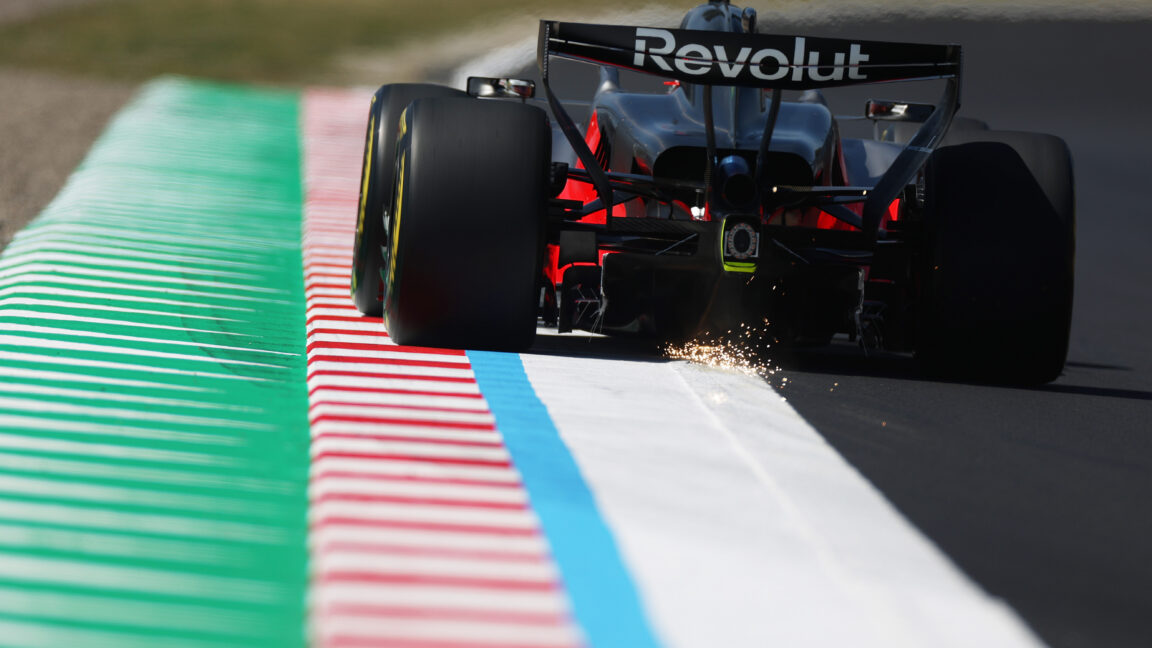
Formula 1 is using an unexpected pause to address technical challenges stemming from the new hybrid systems introduced in 2024, with implications for the 2026 regulations.
An unexpected pause with technical opportunities
Formula 1 is currently experiencing an unusual competitive lull, following the cancellation of the Bahrain and Saudi Arabia races this month due to the ongoing conflict in the Middle East. While this disruption is regrettable from both a sporting and geopolitical standpoint, it has granted teams valuable extra time to develop and refine their cars ahead of the official start of the season. This break is particularly beneficial for teams like Aston Martin, Cadillac, and Williams, which are aiming to close the gap to the midfield and improve their overall competitiveness. Even Mercedes, the clear championship favorite based on pre-season performance, acknowledges it still has key areas to address—particularly its tendency to lose positions at race starts and its difficulty overtaking in traffic.
The challenge of the new hybrid systems
One of the main technical development focuses during this period is the hybrid power unit introduced at the start of the 2024 season. The new powertrains combine a 1.6-liter turbocharged V6 internal combustion engine running on carbon-neutral gasoline, capable of producing 400 kW (536 hp), with an electric motor-generator unit (MGU) that can deliver up to 350 kW (469 hp). This electric component relies on a 4 MJ (1.1 kWh) battery pack—a capacity comparable to that of a Toyota Prius—but under full deployment in an F1 car, it discharges from full to empty in just over 11 seconds. This extreme energy output creates significant challenges in energy management, thermal regulation, and deployment strategy during races.
Technical meetings to optimize performance
Throughout this month, technical representatives from all teams, alongside the FIA—the sport’s governing body—are holding ongoing meetings to address the issues arising from these new technical regulations. While the hybrid system represents a technological leap, it has led to performance inconsistencies across teams and raised concerns about reliability and energy efficiency during races. The coordination between the thermal and electric components, the heat generated by the battery under load, and the rate of energy recovery during braking are all critical areas requiring fine-tuning to maximize performance without compromising durability or safety.
Implications for the 2026 regulations
Although the current system was implemented in 2024, the changes being discussed now will directly influence the evolution toward the new regulations set to take effect in 2026. That year will bring a deeper redesign of power units, with a stronger emphasis on sustainable technologies and greater integration of electric propulsion. Resolving the current hybrid challenges will not only improve immediate competitiveness but also lay the groundwork for a more balanced and technologically sustainable future. The FIA is working to ensure that innovations remain accessible across the grid, preventing an even wider technical gap between high-budget manufacturers and independent teams.
The path toward a more efficient and competitive F1
The current pause, though forced, has become a strategic window to advance solutions that could shape the technical direction of Formula 1 in the coming years. The collaboration between teams and the FIA on hybrid performance reflects a mature approach to regulated innovation. As the sport continues its transition toward a more sustainable model, the ability to balance performance, reliability, and competitive parity will be crucial. Every step taken today not only enhances the on-track spectacle but also reinforces F1’s commitment to future-facing technology and engineering excellence.
Article topics
Related articles
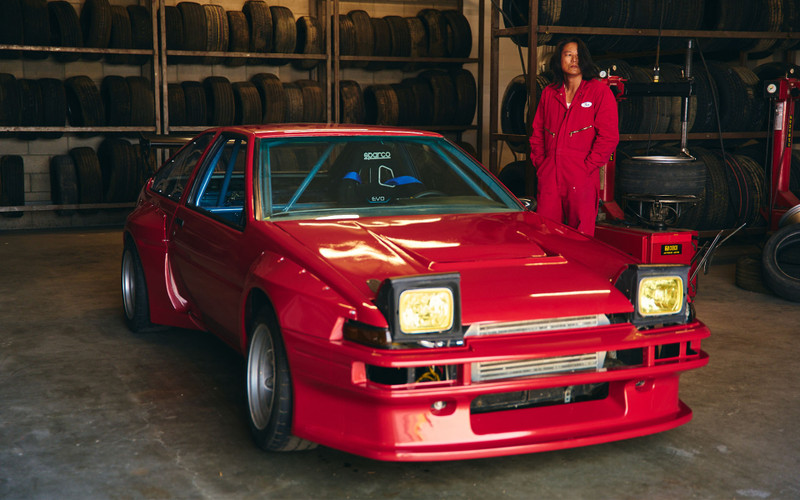
Sung Kang Unveils "Drifter," His Directorial Debut
The "Fast & Furious" actor not only directs and writes the film but also stars in this story of overcoming challenges within the drifting world.

First Supergirl Clip Shows Kara’s Awkward Arrival on Earth
The new footage reveals Kara’s first meeting with Superman outside the Fortress of Solitude, with a language barrier, some Kryptonian tension, and Krypto stealing part of the scene.

Spider-Noir on Prime Video: A Triumph Exceeding Expectations
The new superhero series Spider-Noir on Prime Video delivers on its trailer's promise, offering fast-paced storytelling, compelling characters, and stunning visuals.
Latest news
View all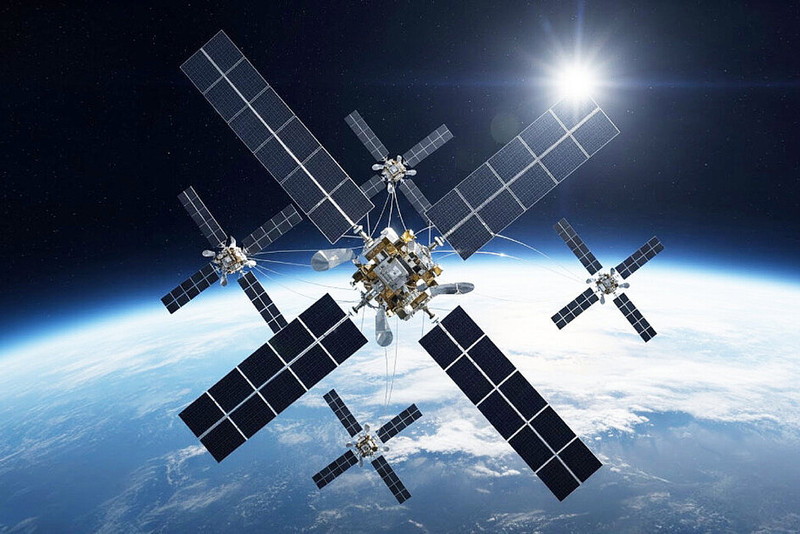
Elon Musk Plans Space Data Centers to Ease AI Energy Crisis
The escalating energy demand for artificial intelligence and terrestrial data centers is driving SpaceX to explore space-based solutions, with Starship being key to economic viability.

US Government Suspends Access to Anthropic's Fable 5 and Mythos 5 AI Models
A national security directive forces Anthropic to disable its advanced AI models, Fable 5 and Mythos 5, for all customers starting June 12, 2026.

Google Launches Gemini 3.5 Live Translate for Instant Voice Translation
Google expands real-time translation availability with Gemini 3.5 Live Translate, offering lower latency and support for over 70 languages.
Comments (0)
No comments yet. Be the first!
Leave a comment