
AI Deciphers Vesuvius Papyrus, Reveals New Philodemus Book
Researchers successfully read "Philodemus, On the Gods, Book 8" from a charred scroll, a Vesuvius Challenge milestone expanding knowledge of the Greek philosopher.
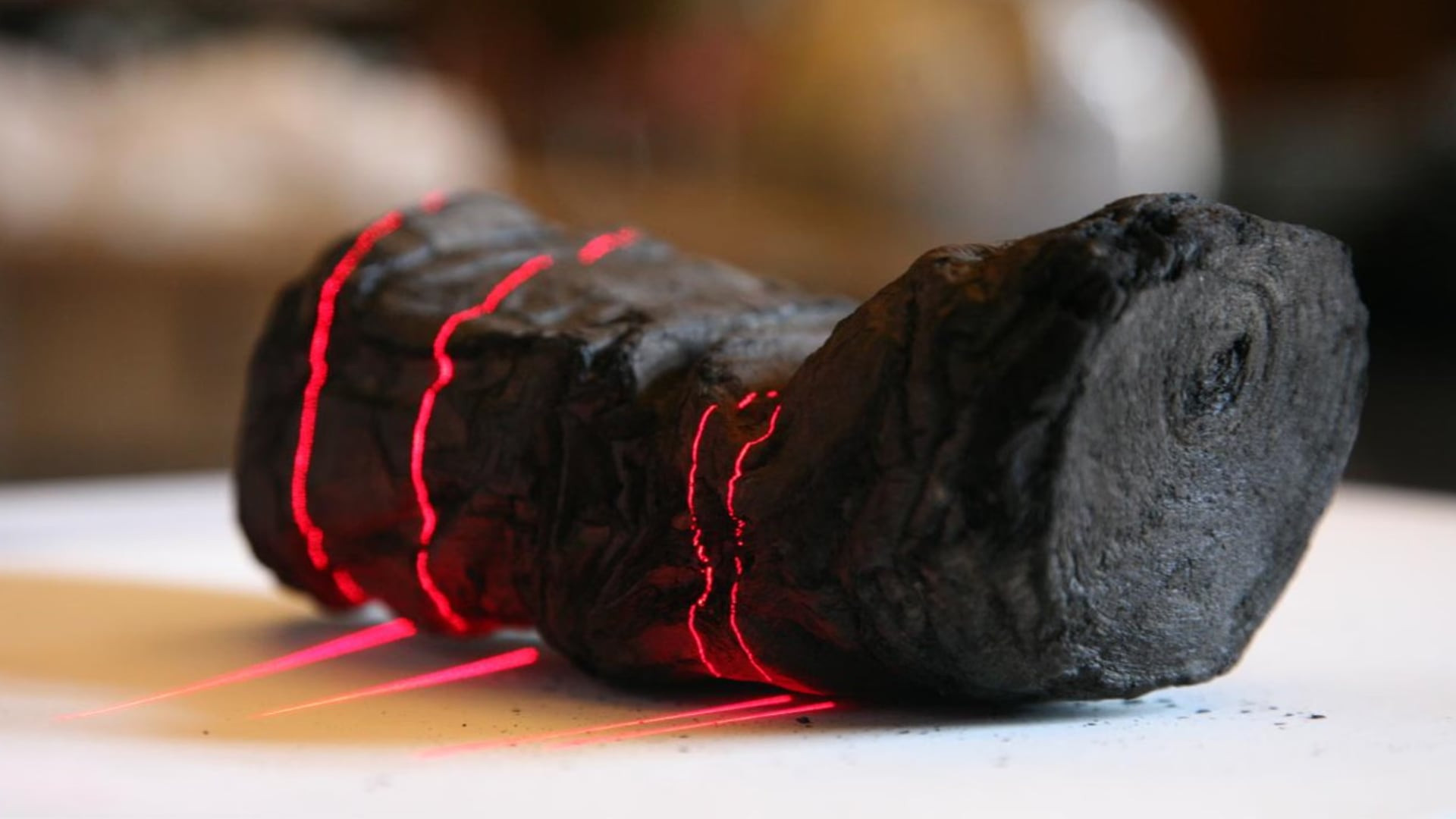
Researchers have successfully deciphered the words "Philodemus, On the Gods, Book 8" from a papyrus scroll charred by the eruption of Mount Vesuvius, revealing for the first time that the Greek philosopher's work comprised at least eight books. This discovery, a crucial milestone for the Vesuvius Challenge, significantly expands our understanding of ancient literature. Prior to this breakthrough, only the first book of this series was known to exist.
This achievement adds to a series of significant revelations emerging from the Vesuvius Challenge, an ambitious project aiming to unlock the secrets hidden within papyrus rolls carbonized by the Vesuvius catastrophe in 79 AD. The initiative merges archaeology with cutting-edge technology to recover texts previously thought lost forever.
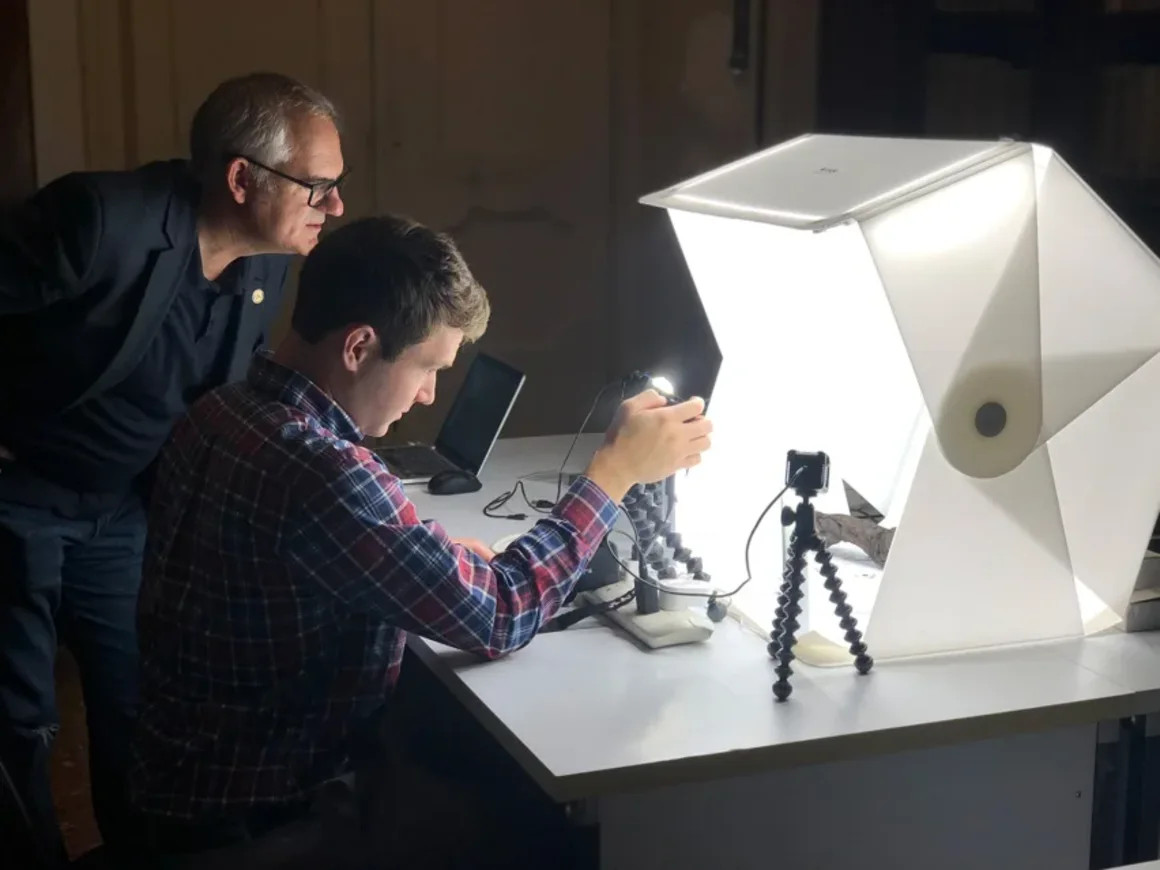
Last May, the same challenge already enabled the decipherment of the title and author of scroll PHerc. 172, identifying it as "On Vices," also by Philodemus. These advancements demonstrate the transformative potential of artificial intelligence and computer technology in the fields of Egyptology and classical studies.
The project has reached a turning point, according to Seales, one of the research leaders. It is no longer solely about AI's ability to visualize and decipher letters from damaged texts. Technology has now opened the door to a new phase.
"It's no longer just about images or machine learning," Seales said. "Now we need experts who can read, edit, and understand what they say."
This shift in focus underscores that while artificial intelligence is a powerful tool for initial decoding, the interpretation and deep analysis of these millennia-old texts require invaluable human expertise. Collaboration between machines and scholars is essential to reconstruct lost knowledge.
The ability to read "Philodemus, On the Gods, Book 8" not only confirms the extent of a key philosophical work but also opens new avenues for understanding ancient Greek thought and beliefs. Philodemus, an Epicurean philosopher, is an important figure whose work offers a window into the intellectual life of his era.
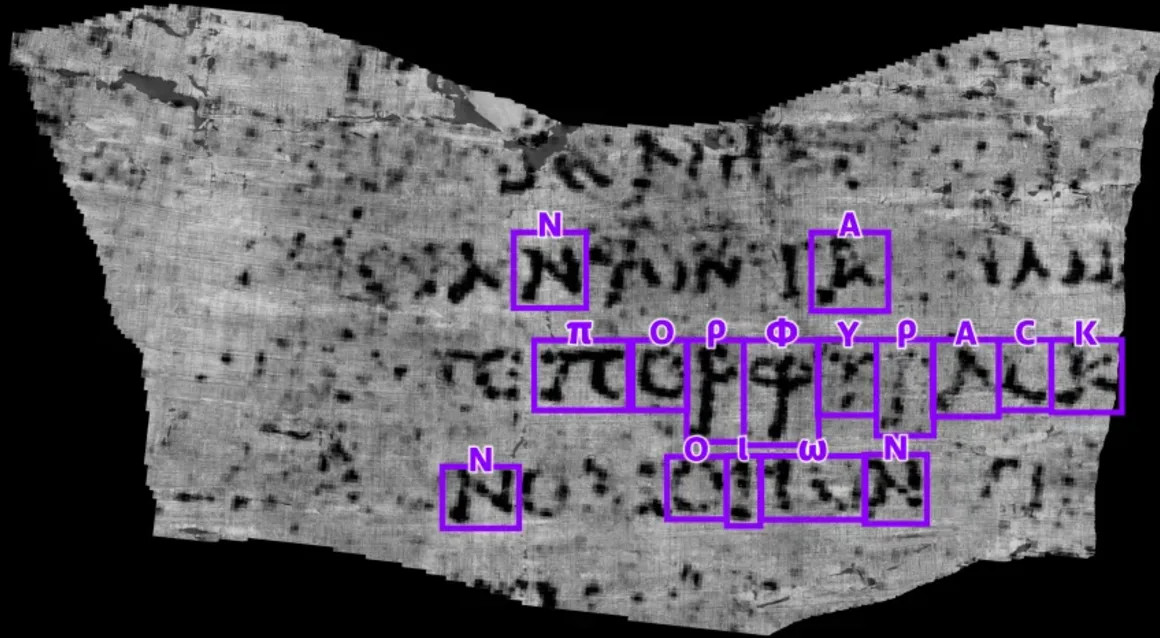
In October 2023, computer technology and advanced AI had already managed to decode the first complete word from one of the unopened ancient papyri. Each word, each recovered phrase, represents a gigantic step in reconstructing entire libraries that were buried under volcanic ash.
The implications for historians and philologists are immense. Gaining access to texts that have been inaccessible for nearly two millennia means that theories can be revised, new perspectives discovered, and gaps in the history of philosophy and literature filled. The Vesuvius Challenge doesn't just recover words; it unearths voices from the past.
The project's future now centers on the interpretation of the texts that AI has begun to reveal. This combination of computational power with the wisdom of human experts promises to continue unveiling literary treasures, offering a richer and more detailed understanding of classical civilization.
Article topics
Related articles

SAP Predicts the End of the Keyboard: AI and Voice to Dominate Interaction in Two Years
SAP CEO Christian Klein anticipates a revolution in business data input, marking the decline of the traditional keyboard in favor of artificial intelligence and voice recognition.
Science Protects Metabolism in Microgravity, but Muscles Remain a Challenge
A recent study reveals that metabolism and muscle deterioration do not always progress in tandem under weightless conditions, a key finding for astronauts and patients with reduced mobility.

Humanoid Robots Deployed in US Schools as Teacher Assistants
A pilot program in the Salamanca City Central school district will integrate Realbotix's M-Series robots and Optio AI assistant to enhance student engagement.
Latest news
View all
Fallout TV Series Victor Figure to Launch in 2027
Fallout fans can look forward to a new collectible arriving in 2027: a detailed Victor figure, inspired by the popular Amazon TV series.
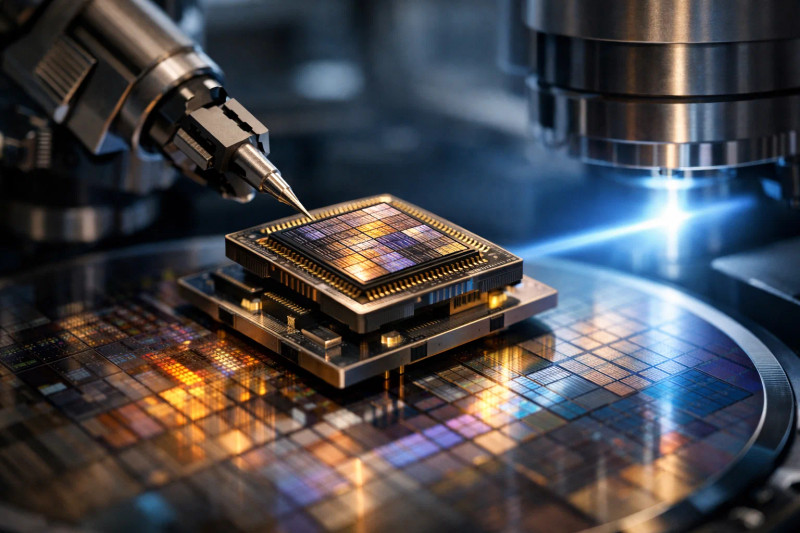
Huawei Unveils LogicFolding 3D Chips Bypassing EUV Dependency
The Chinese tech giant introduced its LogicFolding architecture and Tau (τ) scaling law, aiming for 1.4 nm equivalent density by 2031 without ASML's EUV machines.

Apple Raises Prices for Mac, iPad, Vision Pro Due to Component Costs
The Cupertino giant increases the value of several key products, with some hikes exceeding 20%, driven by a sharp rise in memory and critical component costs.
Comments (0)
No comments yet. Be the first!
Only registered readers can comment.