
James Webb Telescope Discovers Water Vapor on Exoplanet TOI-421 b
NASA's space telescope made an unprecedented finding on TOI-421 b, a sub-Neptune with a surprisingly clear atmosphere, potentially reshaping our understanding of planetary formation.
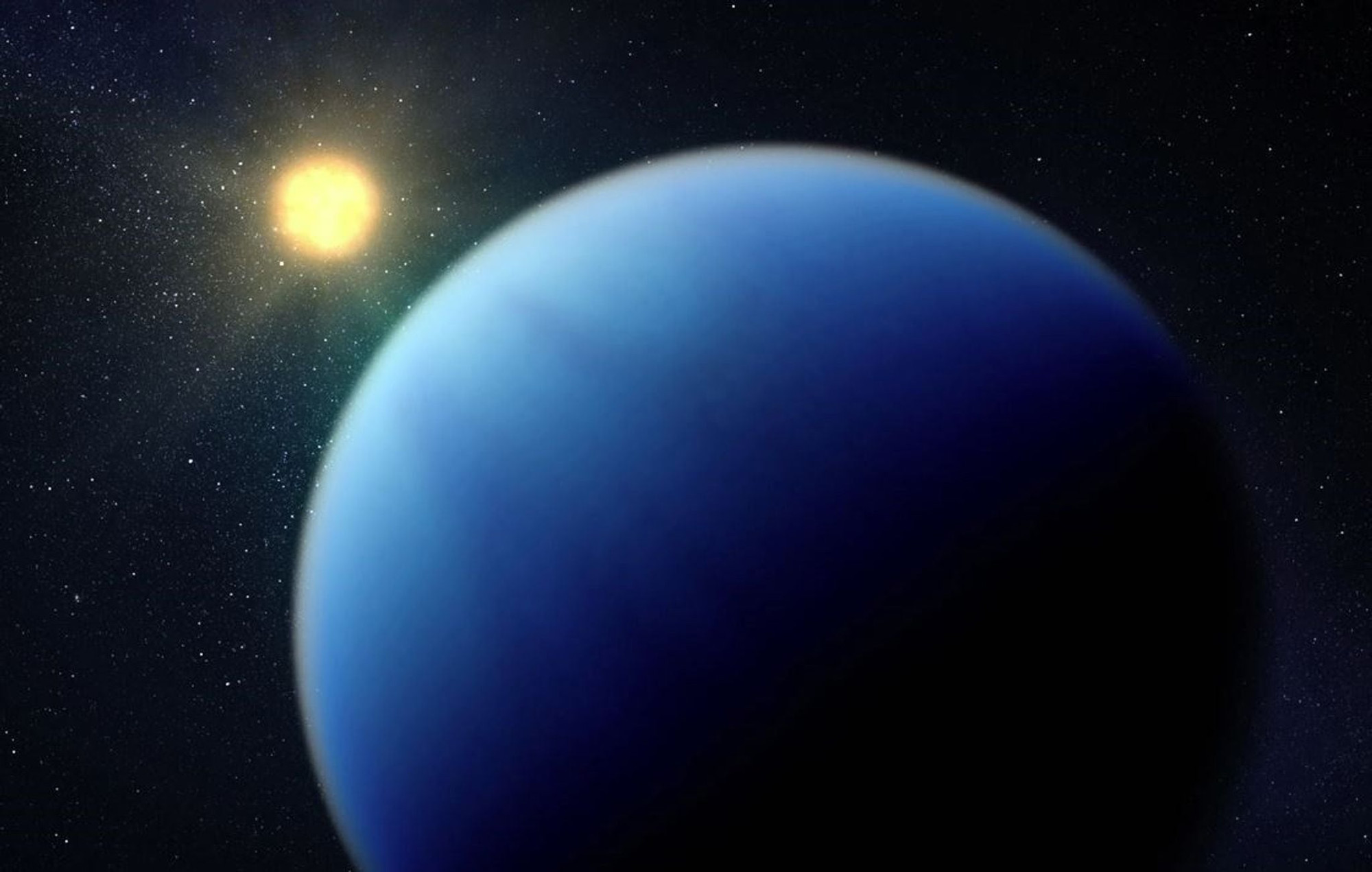
Operating 1.5 million kilometers from Earth, the James Webb Space Telescope has once again delivered an unprecedented view into the cosmos. NASA announced in May 2025 that the observatory detected water vapor in the atmosphere of TOI-421 b, a hot sub-Neptune exoplanet located beyond our solar system.
This discovery is pivotal because, since its launch in December 2021, the James Webb has demonstrated an unparalleled ability to study exoplanet atmospheres. What makes TOI-421 b particularly special is its remarkably clear atmosphere compared to other sub-Neptunes, allowing researchers to delve into its composition with previously unimaginable detail.
NASA specialists focused on TOI-421 b specifically due to prior data suggesting less haze or cloud cover. This hypothesis was confirmed by observations, opening a unique window into a type of planet that typically remains elusive to spectroscopic analysis.
A team from the University of Maryland, led by principal investigator Eliza Kempton, was responsible for this exciting breakthrough. Not only was water vapor detected, but also possible signals of carbon monoxide and sulfur dioxide, compounds that provide vital clues about the chemistry of this distant world.
"The atmosphere of TOI-421 b contains a large amount of hydrogen, which suggests that the planet may have formed and evolved differently than colder sub-Neptunes observed in the past," explained principal investigator Eliza Kempton.
The presence of a hydrogen-rich atmosphere on TOI-421 b is a fascinating piece of data. It suggests that this hot sub-Neptune might have had a distinct formation and evolutionary history compared to its colder counterparts. Understanding these differences is crucial for unraveling why sub-Neptunes are so common throughout the universe, yet conspicuously absent from our own solar system.
The exploration of TOI-421 b is significant because sub-Neptunes, despite their abundance, are often shrouded in dense haze or clouds that hinder the analysis of their gaseous layers. The transparency of TOI-421 b's atmosphere makes it a natural laboratory for studying these worlds.
Furthermore, this exoplanet orbits a star quite similar to our Sun, adding another layer of interest to the study. It allows us to compare planetary formation conditions around analogous stars to our own, searching for patterns that help us understand the habitability and diversity of stellar systems.
This is not the James Webb's first milestone in water detection. Previously, NASA had reported the discovery of water vapor in the PDS 70 planetary system, located 370 light-years away. That finding was made in the system's inner disk, an area believed to be forming rocky planets, and marked the first time water was detected in a disk hosting two or more protoplanets.
The James Webb Space Telescope, which operates around the Sun-Earth L2 point, has established itself as the world's premier space science observatory. Its mission is ambitious: to solve mysteries of our solar system, explore distant worlds, and unravel the origins of the universe. Each new discovery, such as that of TOI-421 b, brings us one step closer to these answers.
Article topics
Related articles

NASA Enhances Asteroid Detection and Deflection Capabilities
The US space agency advances planetary defense techniques following the successful DART mission and the upcoming NEO Surveyor observatory.
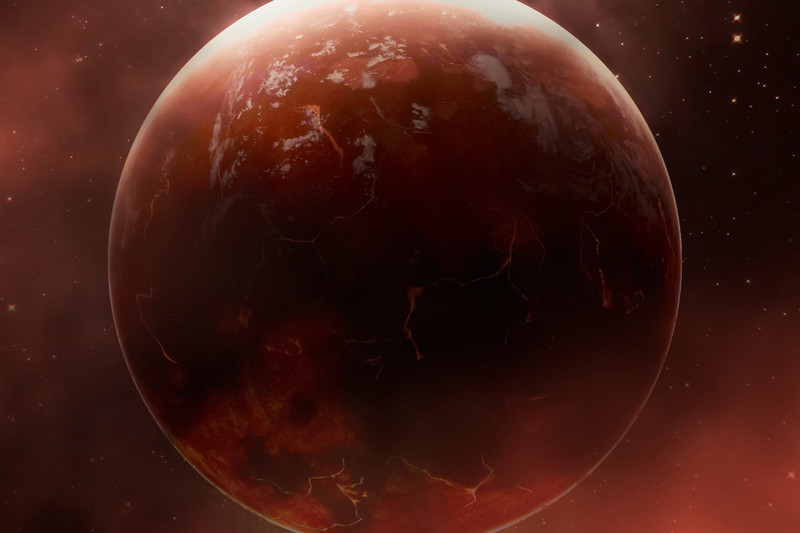
Unexpected Garnet Discovery in Martian Meteorite Reveals Mars' Geological History
Researchers have found garnet grains, a mineral never before observed on the Red Planet, inside a Martian meteorite, offering new insights into its 4.5-billion-year geological past.
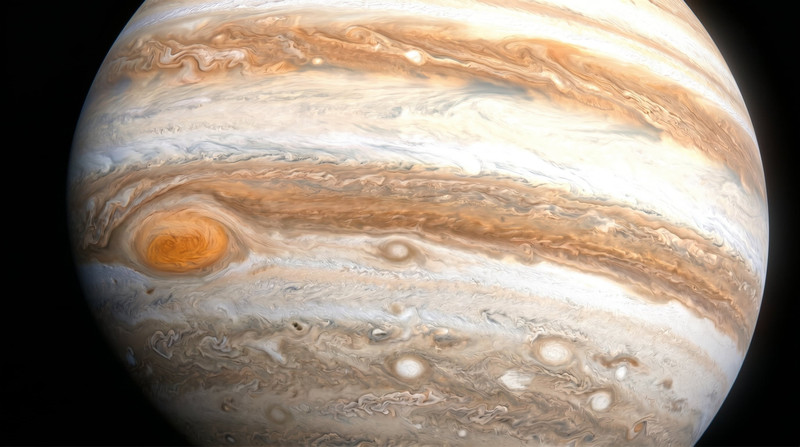
Jupiter's Great Red Spot: New Study Unravels Centuries-Old Mystery
A groundbreaking study led by NASA Goddard scientists reveals new insights into the composition and enduring nature of Jupiter's iconic storm, first observed in 1665.
Latest news
View all
UK Law Firm Wins Case Using AI for Legal Documentation
A law firm in England achieved a landmark judicial victory by leveraging artificial intelligence to prepare all case documentation, setting a global precedent.

God of War: Laufey Reportedly Targets Early 2027 to Avoid GTA VI Collision
The gaming industry is recalibrating its release schedules. PlayStation and Santa Monica's anticipated God of War: Laufey is reportedly shifting to February or March 2027 to steer clear of Grand Theft Auto VI's launch.

Instagram and Facebook Suffer Global Outage During 2026 World Cup
Millions of users were affected by a disruption that prevented viewing images and videos on Meta's platforms, just as the company offered special features for the World Cup.
Comments (0)
No comments yet. Be the first!
Leave a comment