
Arm Nears x86 in Server CPU Revenue in Q1 2026
The Arm architecture has captured nearly half of the data center processor market, driven by increasing artificial intelligence demand, marking a significant industry shift.
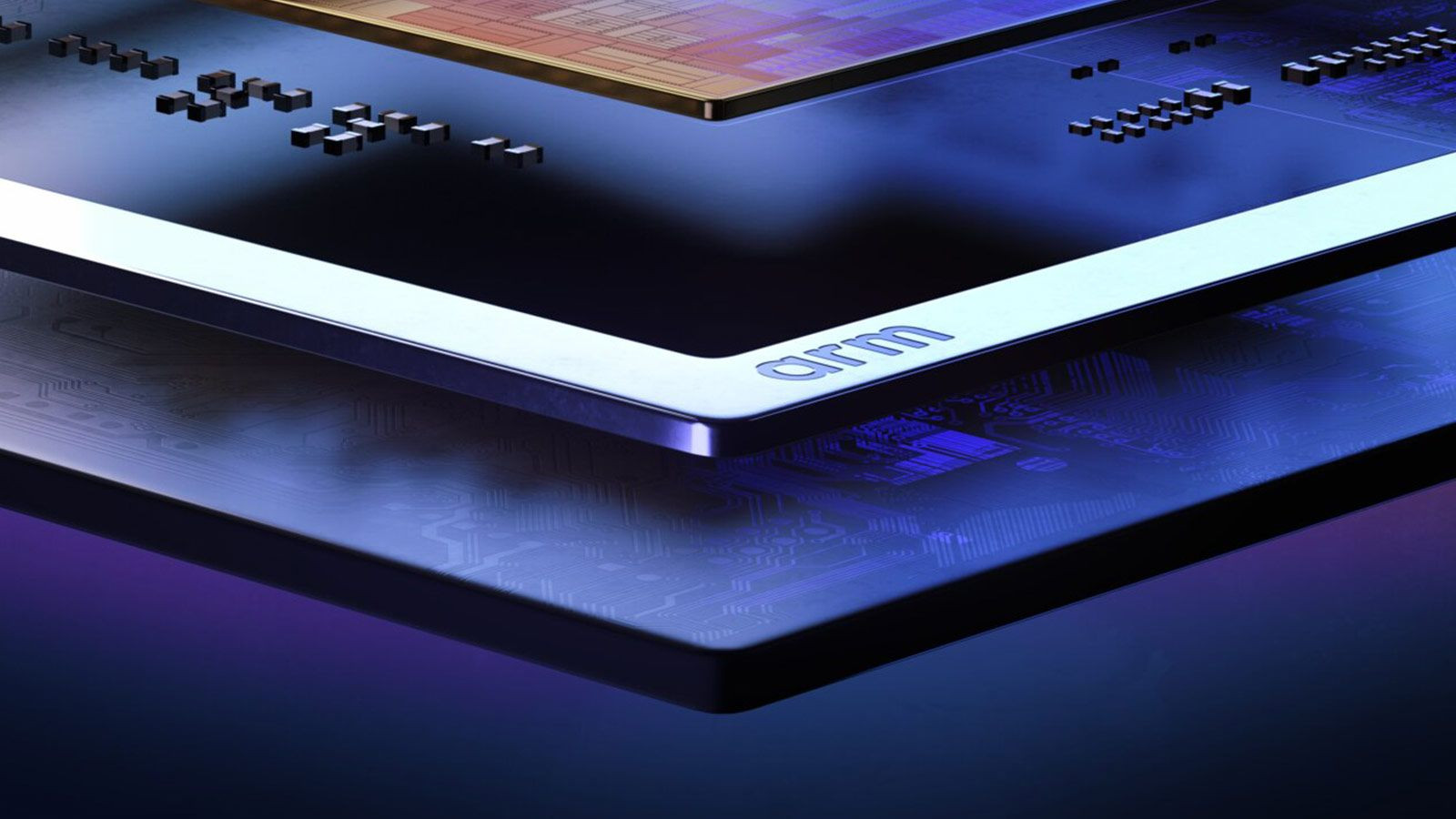
Boasting an impressive 47.9% of revenue in the first quarter of 2026, the Arm architecture is hot on the heels of x86 in the competitive server CPU market. This advance, leaving x86 with just over 52.1% of the share, is largely due to the explosive demand generated by artificial intelligence, which is redefining priorities in global data centers.
While traditionally associated with mobile devices, Arm has evolved dramatically. Today, we see chips like the Apple M5 Max in MacBooks demonstrating considerable power, and server options exist with over 100 cores. This capability has allowed Arm to position itself as a robust and efficient alternative to x86 solutions, especially in environments where power consumption and cost are critical factors.
The high demand for AI has significantly boosted sales of CPUs for data centers and servers, as well as DRAM, NAND Flash memory, and GPUs with their VRAM. In this context, companies are actively seeking alternatives to reduce consumption, and adopting Arm CPUs or even replacing x86 infrastructures with Arm is proving to be a highly effective solution.
Arm has become the preferred choice for a growing number of companies. While it's true that they don't always match the multi-core performance of a high-end AMD EPYC CPU, Arm CPUs often excel in single-core performance, energy efficiency, and, crucially, cost. It's possible to acquire several Arm CPUs with hundreds of cores for the price of a top-tier EPYC.
A clear example is the Ampere Altra Max CPU, which can be found for sale at around 2,000 to 3,000 euros, and in the second-hand market for as little as 500 dollars or less. This accessibility, combined with its performance and efficiency benefits, makes it an attractive proposition for building and expanding server infrastructures. In fact, in Q1 2026, x86 CPUs accounted for 52.1% of total server CPU revenue, with Arm representing 47.9%.
The financial data for Q1 2026 is compelling. Companies invested $58.7 billion in non-x86 CPUs, representing an astonishing 107% increase compared to Q1 2025. Total server CPU revenue also saw significant growth, reaching $122.6 billion, a 30.4% year-on-year increase.
In contrast, the x86 server CPU market experienced a slight contraction, with revenues of $63.9 billion, implying a 2.9% year-on-year decrease. This decline underscores the paradigm shift we are witnessing, with Arm rapidly solidifying its position as a major player. Arm had predicted in 2024 that it would achieve a 50% global market share in five years, and these server data show accelerated progress.
The impact of AI extends beyond CPUs. Revenue for GPUs for AI soared to $68.9 billion, a 25% year-on-year increase. Other accelerated servers using chips like FPGA and ASIC also showed an impressive 122% year-on-year increase. These numbers confirm that the AI sector shows no signs of stagnation, at least for now.
For us, the consumers, this massive AI demand has a direct effect: high memory prices. Large enterprises prioritize component purchases, leaving end-users as a secondary concern. Although a potential AI "bubble" is warned about in a few years, the server and related components market continues to boom, with no indications of prices falling or sales plummeting in the short term.
Article topics
Related articles

Google Discontinues Nest Mini and Nest Audio for Unified Home Ecosystem
Google is phasing out its popular Nest Mini and Nest Audio smart speakers to consolidate its product line under the Google Home brand, making way for a new Home Speaker.
Apple and Intel to Produce Chips in US Amid Price Hikes
Donald Trump announced a key agreement between Apple and Intel to manufacture processors in the United States, aiming to diversify Apple's supply chain and mitigate rising costs.
Elon Musk Plans Space Data Centers to Ease AI Energy Crisis
The escalating energy demand for artificial intelligence and terrestrial data centers is driving SpaceX to explore space-based solutions, with Starship being key to economic viability.
Latest news
View all
Jeff Bezos Proposes Space Data Centers and Relocating Earth Industries
The founder of Amazon and Blue Origin aims to alleviate terrestrial environmental pressure by moving intensive operations to space, seeing the Moon as a key first step.

Spider-Man 2 Gets Free "Fresh Start" Suit from Marvel Comics
Insomniac Games and Sony celebrate the "Spider-Man: Brand New Day" film premiere with a free new suit for the PS5 game, inspired by the comics.

GTA 6 Cover Art Revealed, Pre-Orders Begin June 25 with Price Reveal
Rockstar Games unveils the official Grand Theft Auto 6 cover, confirming pre-orders open on June 25, a key date to discover its anticipated launch price.
Comments (0)
No comments yet. Be the first!
Leave a comment