
Apple Raises Prices for Mac, iPad, Vision Pro Due to Component Costs
The Cupertino giant increases the value of several key products, with some hikes exceeding 20%, driven by a sharp rise in memory and critical component costs.
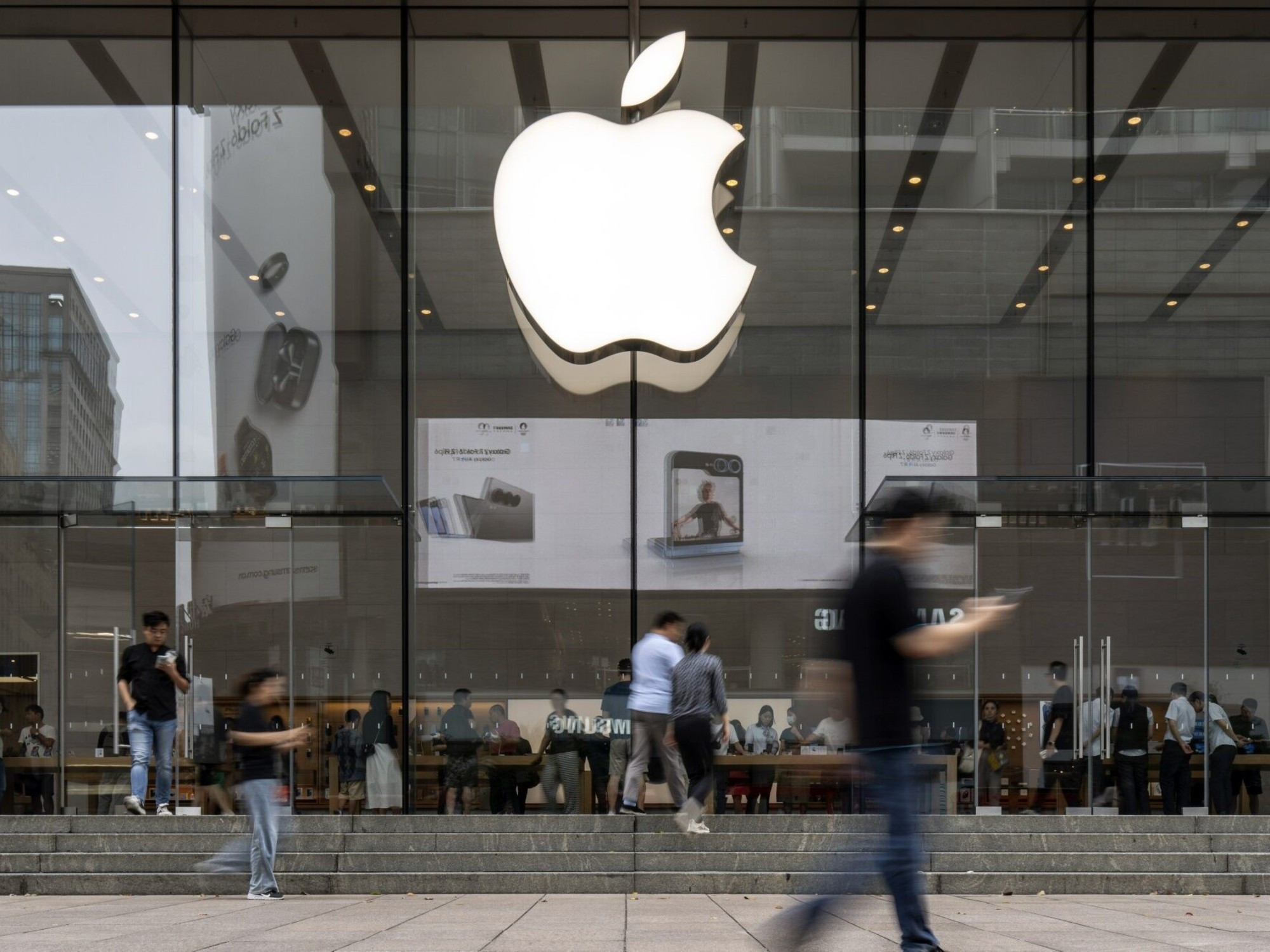
Apple has implemented significant price increases across several of its key products, including Mac computers, iPad tablets, HomePod devices, Apple TV, and the Vision Pro, with some hikes exceeding 20%. This move is driven by a sharp rise in the cost of memory and other critical components. These adjustments, which appeared listed on Apple's online store this Thursday, represent some of the most substantial changes in recent years for these product lines.
The company had already made adjustments in previous months, particularly within the Mac lineup. For instance, in March, Apple stopped selling the Mac Studio with 512 GB of RAM. Subsequently, it eliminated the $599 Mac Mini option, setting its initial price at $799 with 512 GB of storage. However, the recent changes are far more extensive, impacting a broader range of its catalog.
The primary reason behind this price escalation is the global crisis affecting the NAND and RAM memory market, both essential components for any modern device. This situation has created a considerable challenge for manufacturers worldwide, forcing difficult decisions.
"Unfortunately, price increases are inevitable," stated Tim Cook, Apple's CEO, referring to the cost increases that component manufacturers are passing on to the entire tech industry.
According to estimates from the consulting firm TechInsights, the cost impact is dramatic. Apple reportedly saw the price of a 256 GB NAND flash memory unit jump from approximately $13 to over $50. Similarly, the cost of 12 GB LPDDR5X RAM is estimated to have climbed from $39 to $145. These figures clearly illustrate the immense pressure on the supply chain.
These increases are reflected in many popular products. The new MacBook Neo, for example, rose from $599 at its March launch to $699. In the professional range, the Mac Studio with the M3 Ultra chip saw a significant increase of $1,300, going from $3,999 to $5,299. The 14-inch MacBook Pro increased by $300 to $1,999, and the 16-inch model went up by $500 to $2,999. Even the MacBook Air's price was adjusted to $1,299.
The iPad family was not spared from this wave of price hikes. The basic iPad model increased from $349 to $499, a $100 jump. The iPad Mini and the 11-inch iPad Air also saw their prices rise by $100 and $149 respectively, reaching $599 and $749. Even premium models, such as the 11-inch iPad Pro, now priced at $1,199 (a $200 increase), and the 13-inch version, with a similar hike, were affected.
The impact extends throughout Apple's broader ecosystem. The iMac increased from $1,299 to $1,499, while the Mac Studio with the M4 Max chip experienced a jump from $1,999 to $2,499. Home devices also became more expensive: the HomePod rose from $299 to $349, the HomePod Mini from $99 to $129, and the Apple TV from $129 to $199. Even the Vision Pro, the company's mixed-reality headset, now costs $3,699, an increase of $200.
The situation for users in Argentina is particularly uncertain due to Apple's lack of official presence. Local licensees like maximstore and MacStation have expressed their intention to minimize the impact on consumers, aiming to maintain discounts and financing options. Alejandro Goldín, General Manager of maximstore, stated they would try to "transfer the minimum possible to the user."
The big question now is what will happen with upcoming iPhone models. Although current increases focus on Mac and iPad, many analysts believe that future iPhones could follow suit. In fact, leaks suggest that Apple might separate the launch of Pro models from more affordable versions, breaking with the traditional September schedule. If the company were to fully pass on these increased costs, premium models could see significant price hikes compared to current generations.
For now, Apple has not confirmed any price modifications for the upcoming iPhones. However, the pressure on component costs is undeniable, and the possibility of these adjustments extending to its aspirational phones in the coming months is a real concern for consumers and the market.
Article topics
Related articles
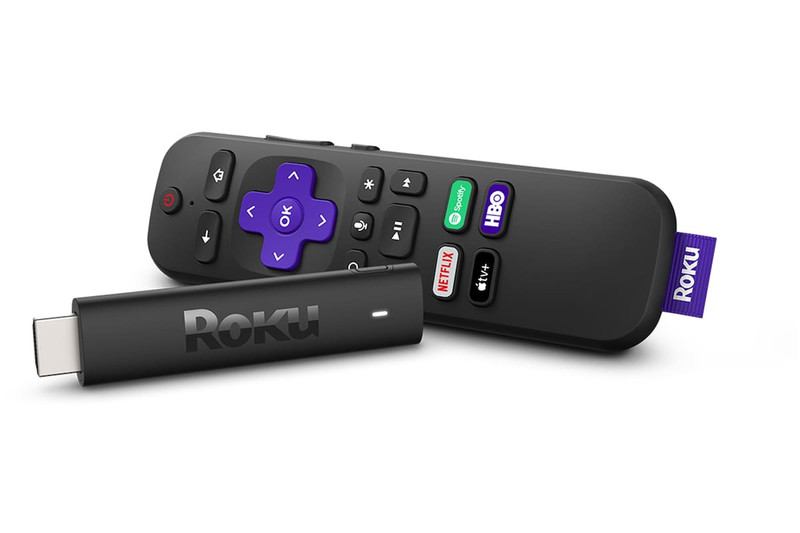
Fox Acquires Roku to Boost Free Streaming Strategy
Fox Corporation has announced its acquisition of the Smart TV platform Roku for $160 per share, aiming to consolidate its presence in the competitive streaming market and direct users to its content.
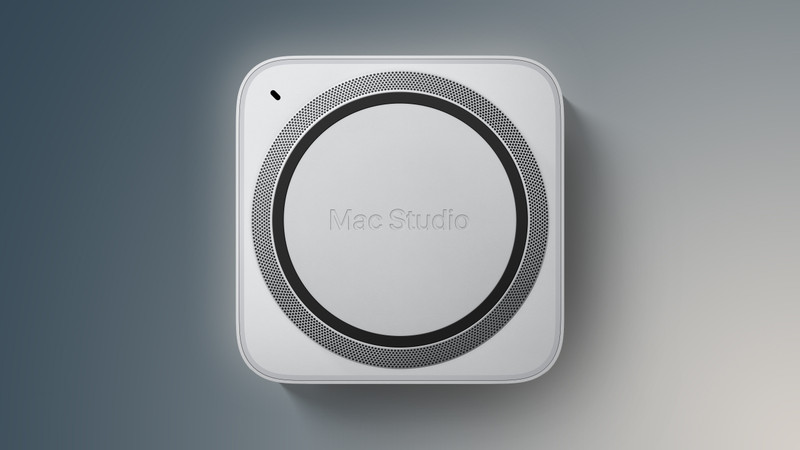
M5 Ultra Mac Studio May Launch in 2026 With Up to 768GB RAM
Apple plans to release a new Mac Studio with the M5 Ultra chip, but its debut has been delayed due to memory issues and price increases.

Humanoid Robots Deployed in US Schools as Teacher Assistants
A pilot program in the Salamanca City Central school district will integrate Realbotix's M-Series robots and Optio AI assistant to enhance student engagement.
Latest news
View all
UK Law Firm Wins Case Using AI for Legal Documentation
A law firm in England achieved a landmark judicial victory by leveraging artificial intelligence to prepare all case documentation, setting a global precedent.

God of War: Laufey Reportedly Targets Early 2027 to Avoid GTA VI Collision
The gaming industry is recalibrating its release schedules. PlayStation and Santa Monica's anticipated God of War: Laufey is reportedly shifting to February or March 2027 to steer clear of Grand Theft Auto VI's launch.

James Webb Telescope Discovers Water Vapor on Exoplanet TOI-421 b
NASA's space telescope made an unprecedented finding on TOI-421 b, a sub-Neptune with a surprisingly clear atmosphere, potentially reshaping our understanding of planetary formation.
Comments (0)
No comments yet. Be the first!
Only registered readers can comment.