
iPhone Ultra: Apple's Foldable Emerges from iOS 27 Code
Apple's rumored iPhone Ultra, a high-cost foldable device, is beginning to take shape with revelations from iOS 27 code and developer directives at WWDC.
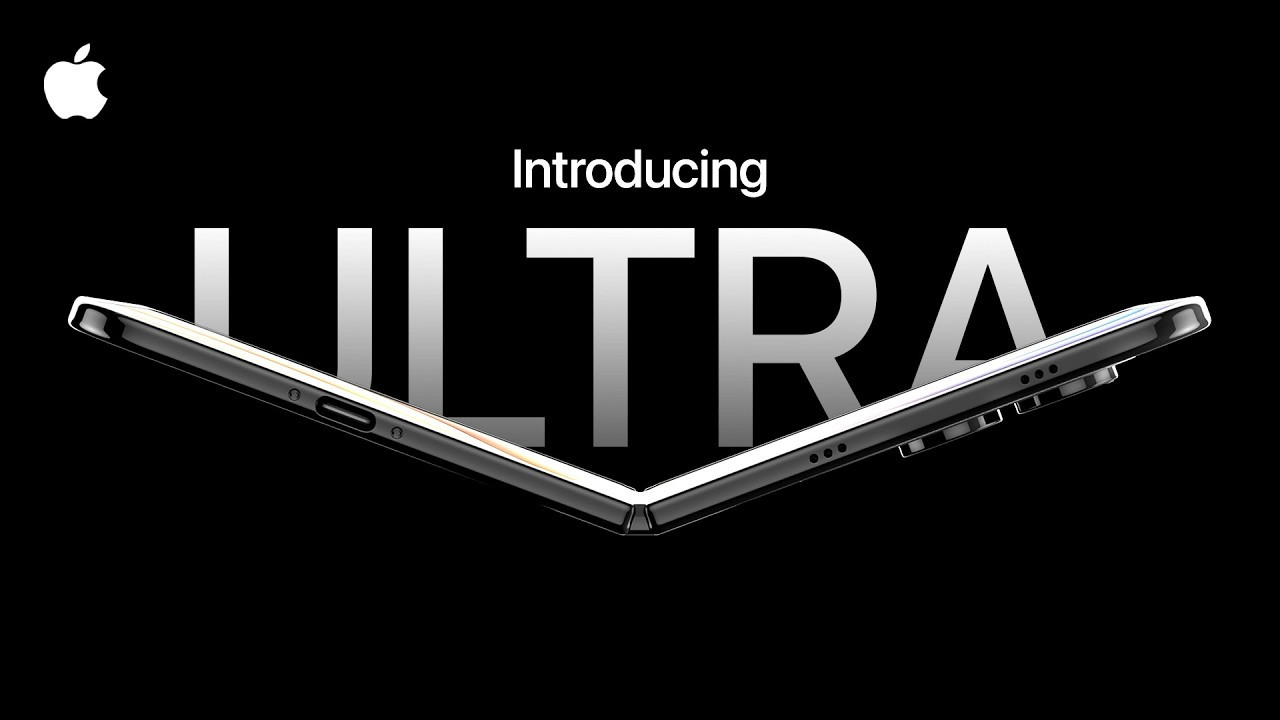
Priced at over $2,000, Apple's rumored iPhone Ultra is shaping up to be one of the company's boldest ventures, with details emerging directly from iOS 27 code and developer conferences. This foldable device promises a completely new user experience, marking a milestone in the iPhone's evolution.
This year's recent WWDC served as a key stage for these revelations. While Apple doesn't outright confirm future products in development, the instructions given to designers during the event are a clear signal. They were told to begin moving away from designing apps for specific devices with fixed orientations.
Apple told designers to begin moving away from designing apps for specific devices with fixed orientations, instead saying to prepare for a dynamic range of sizes and aspect ratios.
This directive, according to those who downloaded the iOS 27 beta, is complemented by intriguing mentions deep inside the code, such as "fold state" and "angle degrees". These terms suggest an iPhone with more than one integrated display, a device that, officially, doesn't technically exist yet. It's the closest thing you'll get to a direct confirmation of this product in the pipeline.
Developers' long-standing preference for iOS is explained by the scale and predictability of Apple's platform. While Android, with a larger market share on paper, is fragmented across thousands of devices with different form factors, sizes, and specifications, Apple releases only a handful of models each year. This significantly eases app development and updates for the iPhone.
The iPhone Ultra, according to the most accurate visualizations to date, is expected in two colors and will be wider than anticipated. When closed, it will look like a "chunk iPhone," and when opened, it will transform into an iPad-like experience. Apple aims to impress with an "over-engineered hinge" that supposedly results in a nearly seamless, creaseless inner display.
Furthermore, its thinness is remarkable. When opened, it will be thinner than the current iPhone Air, measuring 4.5 mm compared to the Air's 5.6 mm. Made of titanium, Apple will surely boast about its durability, seeking to convince users that it will be fine without a case, a strategy similar to the iPhone Air's launch, which was promoted for its strength.
Regarding photography, the iPhone Ultra will share a camera setup similar to the iPhone Air, featuring a wide-angle lens and an ultra-wide-angle lens, but no telephoto. The physical camera control button will be crucial, as the device's size and thinness when opened would make taking photos uncomfortable without it. Apple has prioritized this button so much that its stacked components will eat into otherwise precious internal space.
Internally, the iPhone Ultra will integrate an in-house Apple-made modem supporting 5G via satellites and Apple's own A20 chip, which was already "irrationaly powerful" upon its initial release. It will come with 12 GB of RAM, designed for all your AI needs. The user experience will be central, focusing on how it feels to hold and use, rather than just raw power.
For long-time iPhone users, the Ultra will finally deliver a highly anticipated software feature: split-screen app multitasking. This functionality, allowing users to have YouTube on one side and email on the other, will be exclusive to this model on iOS. It will be the first time a dedicated long-term iPhone user will feel like they've actually bought a totally new phone with a totally new experience. For some, this will be the iPhone experience they've always waited for, but for others, it might not be enough to pull them away from their current model, especially with a price tag exceeding $2,000.

Article topics
Related articles
Arm Nears x86 in Server CPU Revenue in Q1 2026
The Arm architecture has captured nearly half of the data center processor market, driven by increasing artificial intelligence demand, marking a significant industry shift.
Google Discontinues Nest Mini and Nest Audio for Unified Home Ecosystem
Google is phasing out its popular Nest Mini and Nest Audio smart speakers to consolidate its product line under the Google Home brand, making way for a new Home Speaker.
Apple and Intel to Produce Chips in US Amid Price Hikes
Donald Trump announced a key agreement between Apple and Intel to manufacture processors in the United States, aiming to diversify Apple's supply chain and mitigate rising costs.
Latest news
View all
Jupiter's Great Red Spot: New Study Unravels Centuries-Old Mystery
A groundbreaking study led by NASA Goddard scientists reveals new insights into the composition and enduring nature of Jupiter's iconic storm, first observed in 1665.

Jeff Bezos Proposes Space Data Centers and Relocating Earth Industries
The founder of Amazon and Blue Origin aims to alleviate terrestrial environmental pressure by moving intensive operations to space, seeing the Moon as a key first step.

Spider-Man 2 Gets Free "Fresh Start" Suit from Marvel Comics
Insomniac Games and Sony celebrate the "Spider-Man: Brand New Day" film premiere with a free new suit for the PS5 game, inspired by the comics.
Comments (0)
No comments yet. Be the first!
Leave a comment