
After 16 Years and $8 Billion, the Military's New GPS Software Still Fails to Deliver
The OCX system, designed to control the next generation of GPS III satellites, faces massive delays and a budget that has more than doubled.

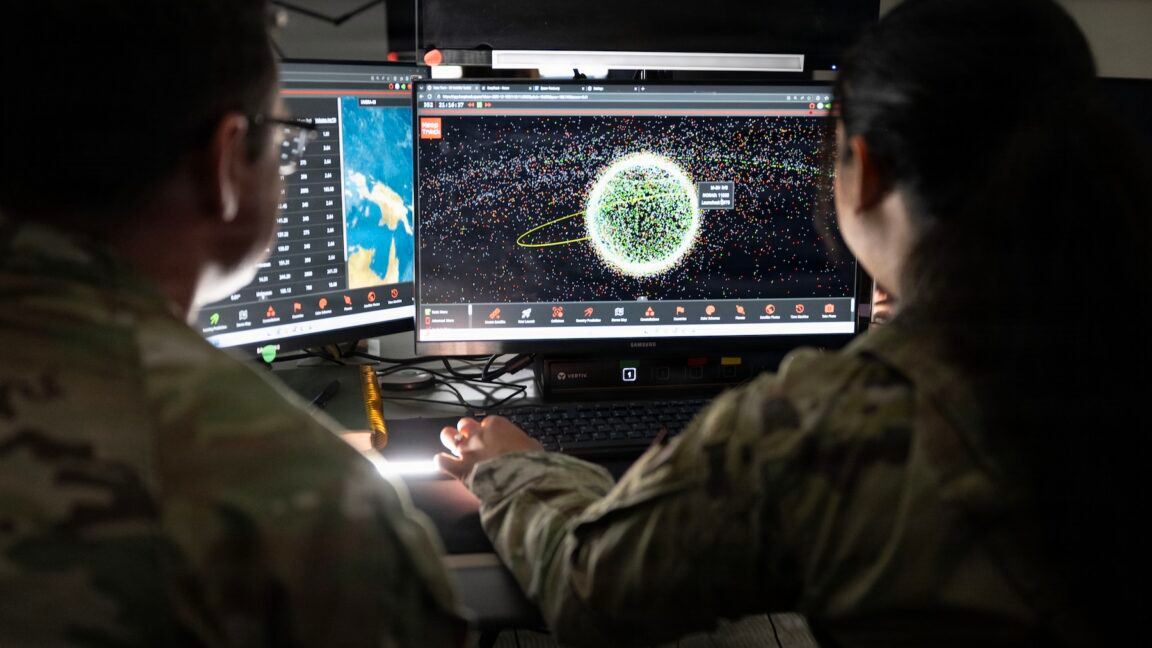
Last year, the US Space Force officially took ownership of the new operating system for the GPS navigation network, sparking hope for one of the military's most troubled space programs. However, the Next-Generation Operational Control System (OCX) has yet to bear fruit. Designed to manage a constellation of over 30 satellites, OCX is essential for handling the jam-resistant capabilities and new signals of the GPS III generation, which began launching in 2018.
RTX Corporation, formerly Raytheon, won the contract in 2010 with an original completion date of 2016 and a budget of $3.7 billion. Today, the cost for the ground system has surged to $7.6 billion. With an additional $400 million allocated for an augmentation to support the upcoming GPS IIIF satellites, the total investment has reached $8 billion. Despite 16 years of development and massive spending, the system remains a significant challenge for the Pentagon.
Keep reading online — scan the code
https://go.tricuatro.com/Bp48j
© tricuatro.com
Article topics
Related articles

TikTok tests AI tool to protect creators from deepfakes
The video platform is rolling out an opt-in feature allowing users to verify their identity and report unauthorized AI-generated likenesses.

Apple Sues OpenAI Over Alleged Hardware Trade Secret Theft
The Cupertino giant accuses former key employees, including Tang Tan, of stealing confidential hardware information for OpenAI's benefit and its expansion into consumer hardware.

Anthropic Tackles AI's Toughest Questions for a Responsible Future
The company launches an initiative to understand public concerns and transparently address the challenges of artificial intelligence development.
Latest news
View all
MIT Chip Converts Invisible Infrared Light into Crucial Data
MIT researchers developed an innovative chip detecting methane and propane using mid-infrared light, with potential for millions of pixels and optical computing.

Assassin's Creed Black Flag Resynced Smashes 3 Million Sales, New Game Plus Announced
Ubisoft's successful re-release of the pirate classic continues to break records, confirming one of the most requested features from the gaming community.

Tesla Launches Electric Cybertruck Replica for Kids in the US
Tesla introduces its scaled-down Cybertruck for children aged 6 to 12, an electric vehicle priced at USD 1,500, currently exclusive to the US market.
Comments (0)
No comments yet. Be the first!
Only registered readers can comment.