
OpenAI's Survival Plan: From "Last Resort" to Advertising Powerhouse in ChatGPT
OpenAI has dramatically shifted its business strategy, moving from viewing advertising in ChatGPT as a "last resort" to making it its primary revenue driver, with projections reaching $100 billion by 2030. This pivotal move is crucial for its survival and could redefine the digital advertising landscape.
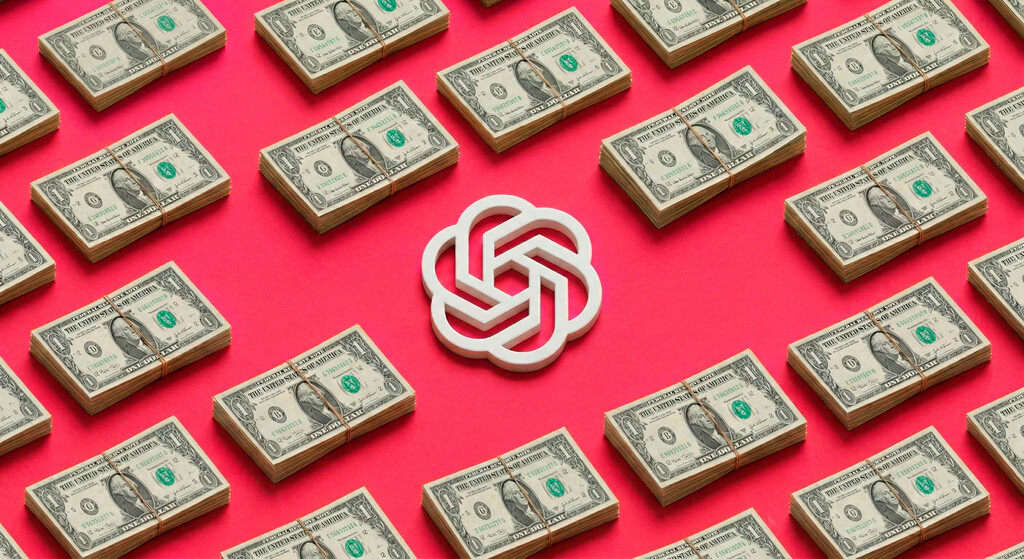
OpenAI's Strategic Pivot: Advertising as a Core Pillar
Just a couple of years ago, Sam Altman, CEO of OpenAI, famously referred to the inclusion of advertisements in ChatGPT as the "last resort" for the company's business model. This statement reflected an initial vision that prioritized subscriptions and enterprise licensing as the primary monetization avenues. However, the landscape has dramatically shifted. What was once a distant option has now become the central axis of its survival and growth strategy. Advertising in ChatGPT is no longer a remote possibility but an imminent reality that OpenAI projects as the "business of the century," with financial ambitions that defy the most optimistic expectations.
Ambitious Financial Projections and Their Origin
The magnitude of this strategic change became evident through an Axios leak, which revealed details from an investor presentation. In it, OpenAI shared its impressive revenue forecasts derived from this new advertising model. The company expects to generate $2.5 billion in 2026, a figure projected to skyrocket exponentially in subsequent years. The projections are astounding: $11 billion in 2027, $25 billion in 2028, $53 billion in 2029, and a staggering $100 billion by 2030. These figures not only demonstrate unwavering confidence in the potential of contextual AI advertising but also underscore the urgency of finding a massive and sustainable revenue stream.
Advertising as a Financial Lifeline
This pivot is not merely an expansion of its business model but a critical necessity. OpenAI has been operating at significant losses, an unsustainable pace that has raised concerns about its long-term viability. The development and maintenance of large language models (LLMs) like GPT-4 and its successors require massive investments in computational infrastructure, talent, and energy. While the company has explored other avenues, such as selling services to enterprise clients and premium subscriptions, these have not been sufficient to offset the immense operational costs. Advertising, therefore, presents itself as the most promising path to profitability, a high-stakes gamble that will determine the financial survival of the world's most valuable private company in the tech sector.
The Butterfly Effect on the Advertising and Tech Industry
The success or failure of this strategy will have far-reaching repercussions. If OpenAI manages to achieve its $100 billion revenue targets, the impact on the online advertising ecosystem would be seismic. Such a volume of revenue could destabilize the dominance of giants like Google and Meta, which currently control a substantial portion of the digital advertising market. Advertising within a chatbot offers a unique advantage: the ability to target ads with unprecedented precision, as the user expresses their intentions and needs directly and in detail. This contrasts with current data collection and interest-guessing methods used on platforms like Instagram or Google Ads, potentially making AI-driven advertising far more efficient and profitable.
Conversely, if OpenAI's advertising strategy fails, the consequences could be catastrophic for the entire tech sector. The potential bankruptcy or significant failure of such an emblematic and highly valued company could trigger a domino effect, freezing investments in artificial intelligence and deflating the high expectations placed on this technology. The future of AI, as we know it, could largely depend on OpenAI's success in this audacious move.
The Challenge of Mass Adoption and Competition
To achieve its ambitious revenue projections, OpenAI calculates it will need a weekly user base of 2.75 billion by 2030. Currently, ChatGPT boasts approximately 900 million weekly active users, meaning the company must triple its user base in just four years. This would require ChatGPT to reach a level of penetration comparable to global platforms like WhatsApp or YouTube. While there is a vast potential audience (with over 6 billion people having internet access), the task is not simple. Mass AI adoption has entered a more mature phase, and ChatGPT, though still a leader, is no longer the sole standout option. It competes with a growing list of equally capable models and platforms, and the company's image has been eroded by various controversies and internal changes, adding a layer of complexity to the challenge of capturing and retaining nearly half of the world's internet users.
Related articles
Google Launches Gemma 4 12B: Local AI for Your Laptop with 16GB RAM
Google's new artificial intelligence model aims to democratize access to generative AI, allowing it to run on average consumer computers.
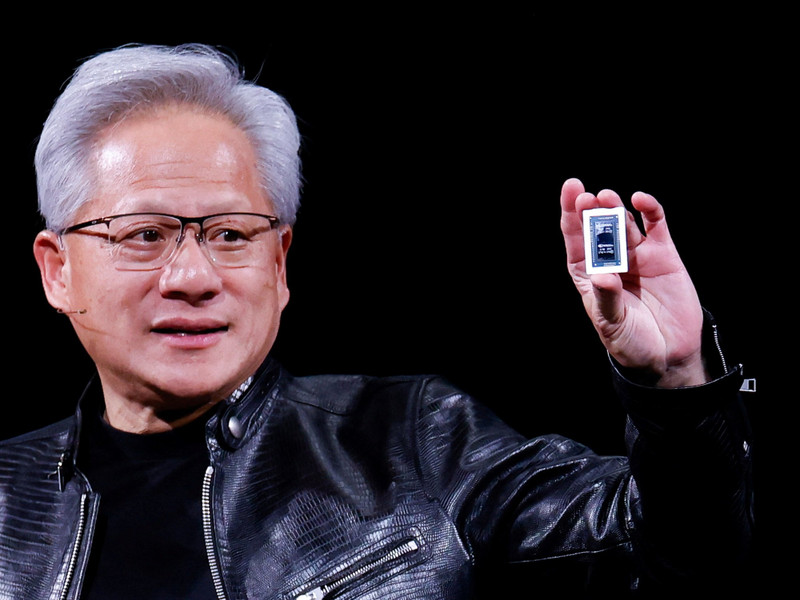
Nvidia Challenges Intel and AMD with RTX Spark Superchip for PCs
Nvidia introduced RTX Spark, a processor promising to bring advanced artificial intelligence directly to your PC, without cloud dependence, and boost gaming to unprecedented levels on conventional machines.

Anthropic's Claude Opus 4.8 boosts "honesty" and reduces code flaws
Anthropic's new AI model, Claude Opus 4.8, launches this Thursday with a focus on transparency and error reduction, giving users more control over computational effort.
Latest news
View all
Stuntman Hollywood: Returns After 19 Years to PS5, Xbox Series, and PC
The iconic action and vehicular stunt franchise makes its comeback courtesy of Saber Interactive, promising a dose of nostalgia and adrenaline for the new generation.
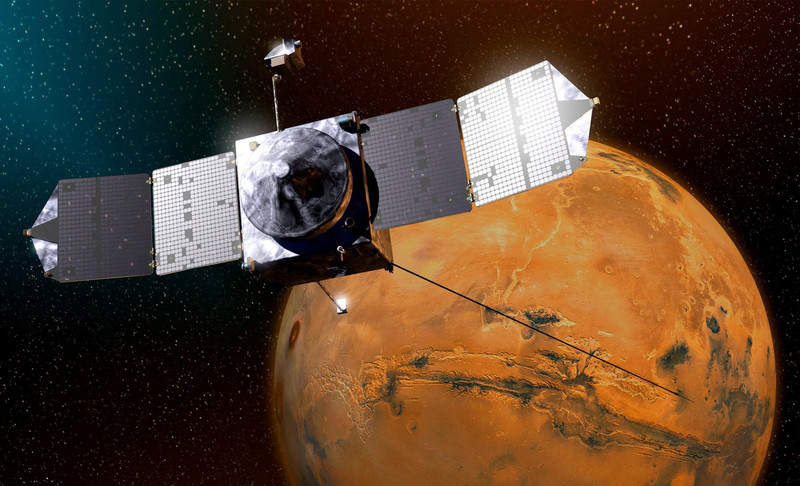
NASA's Maven Mars Orbiter Declared Out of Service After Six Months of Silence
Following an anomaly that disrupted its orbit and depleted its batteries, the Maven spacecraft, vital for understanding Mars' atmosphere, has ended its active mission. Its scientific data remains an invaluable legacy.

Windows Drops NTLM: Microsoft Boosts Security with Kerberos
Microsoft is taking a crucial step to bolster security in Windows 11, announcing the deprecation of NTLM, its oldest authentication protocol, in favor of Kerberos.
Comments (0)
No comments yet. Be the first!
Leave a comment