
Memory Manufacturers Face New Price-Fixing Lawsuit
Samsung, SK Hynix, and Micron are once again accused of anti-competitive practices, marking the third such pattern in two decades.
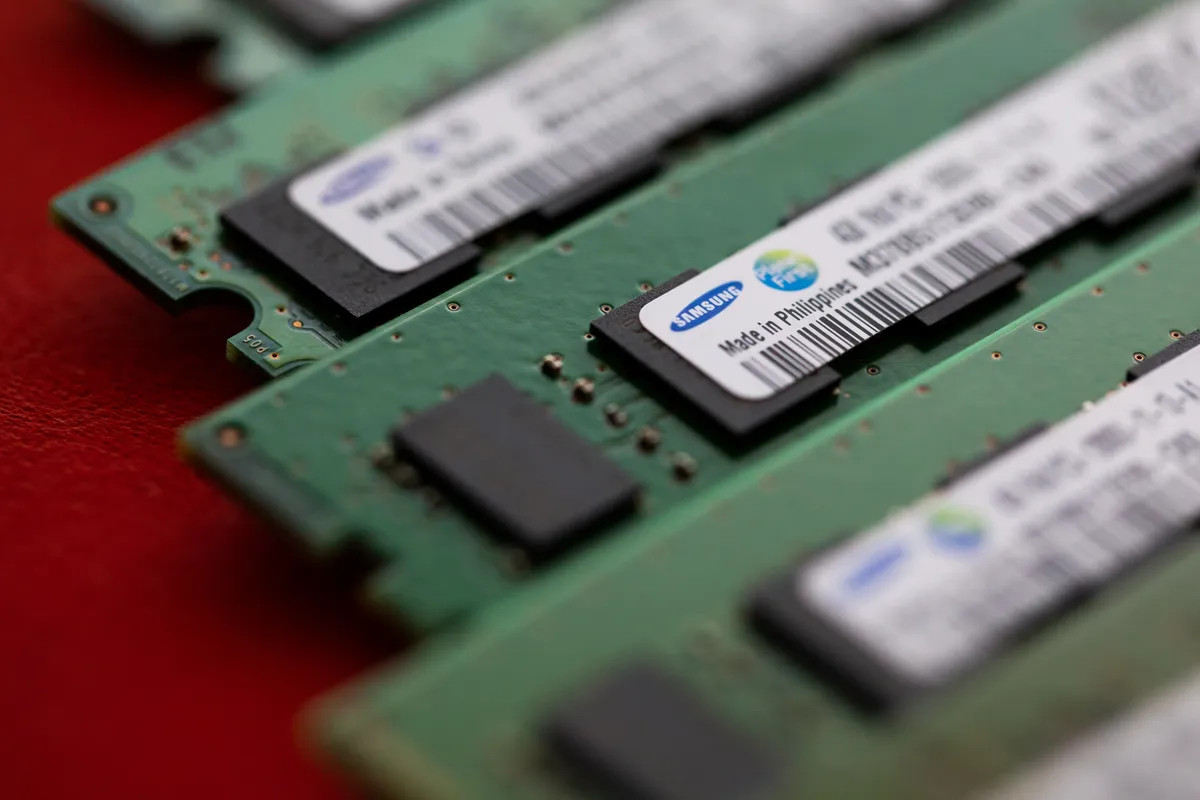
Accusations of RAM price-fixing are once again placing tech giants Samsung, SK Hynix, and Micron at the center of controversy. These companies are now facing a new lawsuit that points to a recurring pattern of questionable business practices. This is not an isolated incident; in fact, it marks the third time these memory manufacturers have been implicated in market strategy allegations.
The companies' history includes a significant precedent in 2005. Back then, Samsung agreed to plead guilty and pay a $300 million fine for participating in an international conspiracy to fix DRAM prices. SK Hynix also pleaded guilty at the time and was fined $185 million, while Micron managed to avoid penalties by reporting the case and actively collaborating with prosecutors.
This pattern of investigation recurred between 2016 and 2018, when the Chinese government also initiated probes against these same companies. The investigation was triggered during a period when memory prices surged again, raising concerns among both consumers and businesses.
In 2005, Samsung agreed to plead guilty and pay a $300 million fine for participating in an international conspiracy to fix DRAM prices.
The current lawsuit emphasizes that we are witnessing the third cycle of this same behavioral pattern, involving the same major players in the memory industry. This suggests a complex and potentially manipulated market dynamic that directly impacts the cost of essential components for modern technology.
For users and businesses reliant on these components, the recurrence of these accusations implies constant volatility in RAM prices. This translates into higher costs for electronic devices, servers, and computer equipment, affecting everything from the end consumer to large technological infrastructures.
Amidst criticism and accusations from users and businesses directed at the manufacturers, the situation took an unexpected turn. Micron accused Apple of causing the RAM crisis, shifting responsibility for price fluctuations.
Sumit Sadana, Micron's director of business, stated in a WSJ interview that his company was unable to adequately invest in improving its infrastructure over the last decade. According to Sadana, this limitation was directly due to Cupertino's practices, adding a layer of complexity to the price-fixing allegations.
Micron's accusation against Apple introduces a different perspective on the memory market's dynamics, suggesting that pressure from large buyers could influence manufacturers' ability to invest and stabilize prices. This raises the uncomfortable question of whether responsibility for high costs rests solely with producers or if tech giants also play a decisive role.
Article topics
Related articles

Godox C100 Redefines Compact Photography with its Innovative Transparent Display
Godox launches the C100, an ultra-light 65-gram camera with an "avant-garde" design and an active transparent screen that prioritizes immersion in the moment.
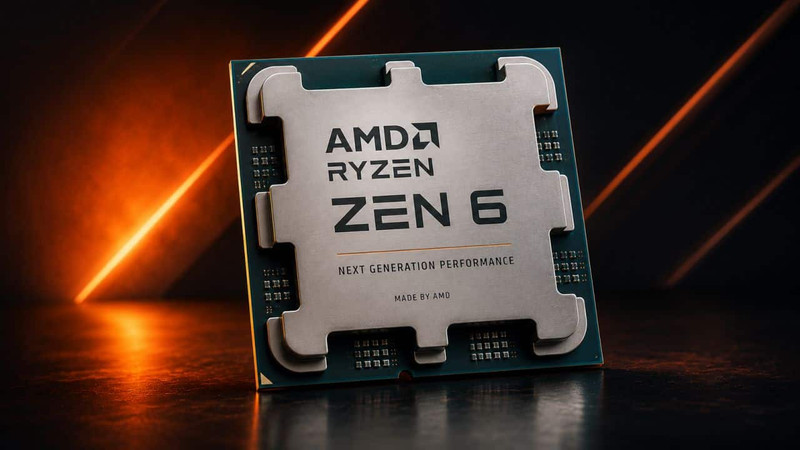
AMD Zen 6 to Feature Low-Power Cores for Enhanced Efficiency
A discovery in the Linux kernel and an AMD engineer's confirmation reveal that upcoming Zen 6 processors will adopt a hybrid core strategy to optimize power consumption.

WhatsApp Introduces Usernames to Keep Phone Numbers Private
The popular messaging platform is rolling out a new feature allowing users to start chats and join groups without sharing their phone numbers, prioritizing personal data protection.
Latest news
View all
Supergirl Faces Million-Dollar Losses After Challenging Box Office Debut
The DC film, starring Milly Alcock, grossed only $68 million on its opening weekend, with Warner Bros. projected to lose up to $120 million, according to reports.

OpenAI Launches GPT-5.6 Series: Sol, Terra, and Luna with Enhanced Safety
OpenAI introduces a limited preview of its new GPT-5.6 models, showcasing significant advancements in coding, biology, and cybersecurity, alongside a reinforced safety framework and more accessible pricing for certain models.
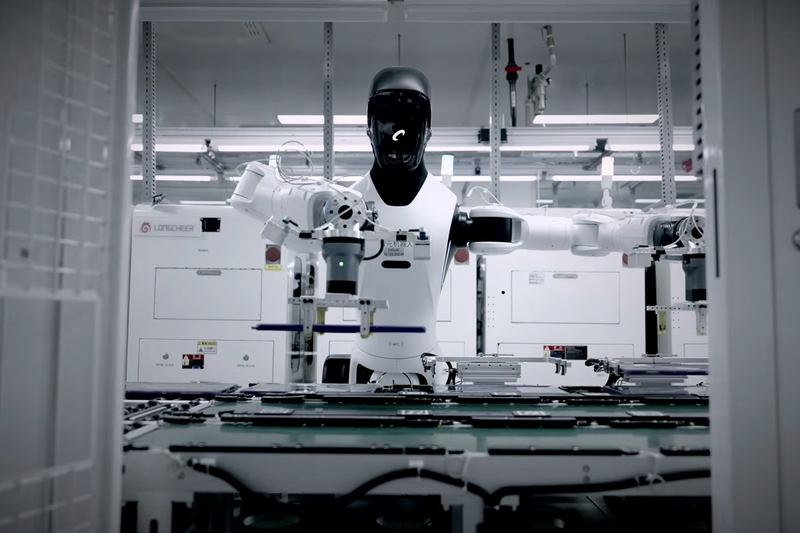
Agibot Humanoid Robots Complete Six-Day Factory Shift with 99.99% Success
Shanghai-based startup Agibot demonstrated its robots' capability for quality control and material handling tasks in a real industrial environment, marking a milestone in automation.
Comments (0)
No comments yet. Be the first!
Only registered readers can comment.