
Generative AI Market Fractures: ChatGPT Loses Share, But Still Grows
ChatGPT's share of generative AI web traffic dropped 21 points in a year, while Google Gemini and Anthropic Claude grow exponentially, signaling the end of its monopoly.
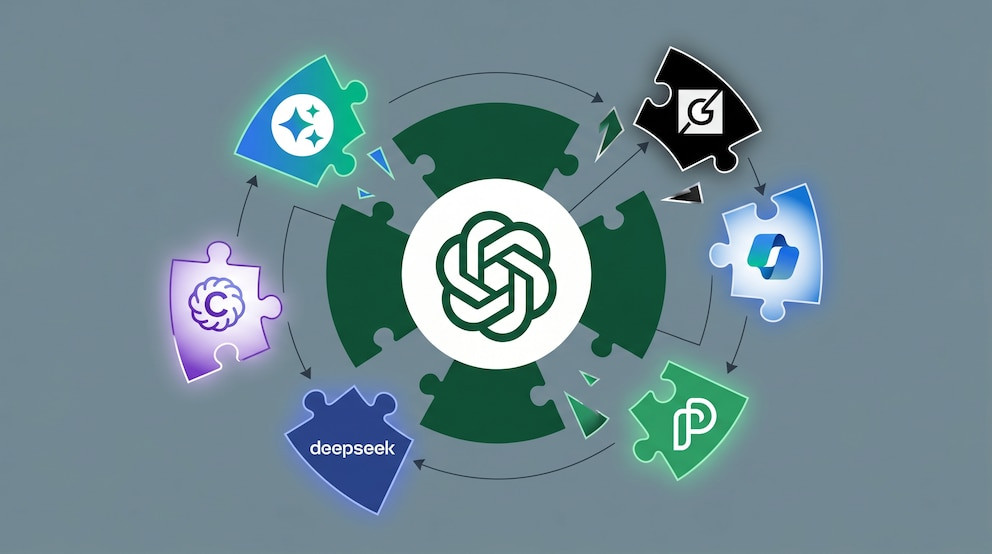
ChatGPT's market share dropped by 21 percentage points over the past year, falling from 77.43% to 56.72% of global web traffic in the generative AI segment. These figures, reported by Similarweb for March 2026, confirm a dramatic shift in the landscape. However, this decline does not indicate ChatGPT is losing users; instead, the generative artificial intelligence market has matured and become truly competitive.
For two years, generative AI operated as a single-player ecosystem, with ChatGPT capturing the vast majority of visits. Competitors shared a minimal slice of traffic, consistently below 6%. This monopoly structure ended in the first quarter of 2026, and Similarweb's data clearly demonstrates this. OpenAI, in fact, announced an impressive 900 million weekly active users for ChatGPT in February.
What changed is not that ChatGPT is losing users, but that, for the first time, there is a real market to share.
GoogleGemini emerged as a formidable contender, multiplying its presence exponentially. It grew from 6% to 25.46% of global traffic in just 12 months. Its year-over-year growth in February 2026 was 643%, contrasting with ChatGPT's 37% during the same period. Gemini crossed the 20% threshold in January and has not stopped its ascent since.
The explanation for Gemini's growth lies in its distribution strategy, rather than inherent technical superiority. Google's assistant is deeply integrated into the company's ecosystem. We find it embedded in Android, Google Search, and Workspace, making its use seamless for average users without requiring a conscious decision. ChatGPT, conversely, demands a deliberate action: visiting chatgpt.com or opening its dedicated app. This difference in access friction is key.
Another crucial, and perhaps less visible, development is the rise of Anthropic's Claude. This model surged from 2.22% in December to 6.02% in March, almost tripling its share in a single quarter. Twelve months ago, its participation was 1.4%, representing a year-over-year growth close to 297% according to the same Similarweb report.
This data point for Claude is significant because it breaks an "invisible ceiling" that seemed to limit secondary players. For a long time, Claude and Perplexity hovered around 2%, suggesting a market with one dominant player, one challenger, and marginal alternatives. Anthropic's breakthrough to 6% positions it as a structural player in the top 3. The rest of the board also shows increasing fragmentation: DeepSeek reached 3.74%, surpassing Grok with 3.44%, while Copilot rose to 1.99%.
For the community and content creators, this landscape is excellent news. Competition drives innovation and offers a wider range of tools and approaches. We no longer depend on a single solution; instead, we can choose from robust and constantly evolving options. The generative AI market has evolved, and it is now a vibrant and diverse space!
Related articles
Google Launches Gemma 4 12B: Local AI for Your Laptop with 16GB RAM
Google's new artificial intelligence model aims to democratize access to generative AI, allowing it to run on average consumer computers.
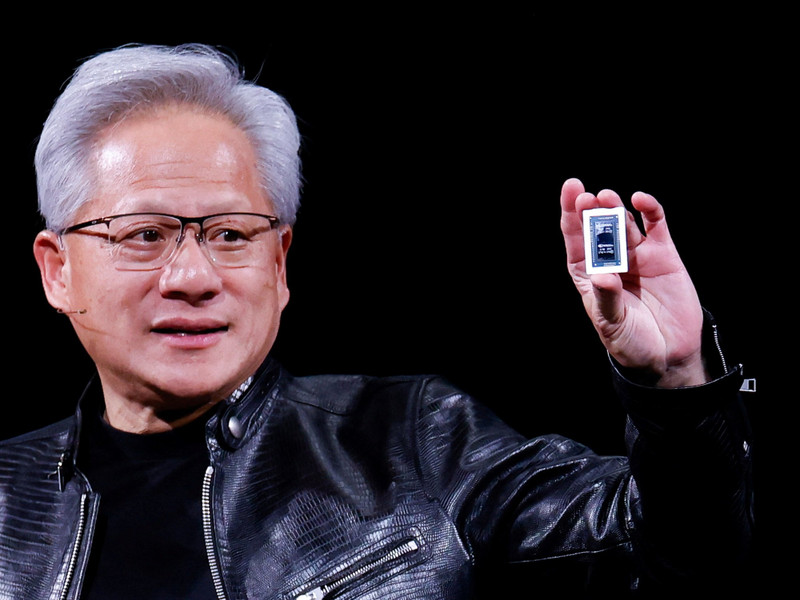
Nvidia Challenges Intel and AMD with RTX Spark Superchip for PCs
Nvidia introduced RTX Spark, a processor promising to bring advanced artificial intelligence directly to your PC, without cloud dependence, and boost gaming to unprecedented levels on conventional machines.

Anthropic's Claude Opus 4.8 boosts "honesty" and reduces code flaws
Anthropic's new AI model, Claude Opus 4.8, launches this Thursday with a focus on transparency and error reduction, giving users more control over computational effort.
Latest news
View all
Stuntman Hollywood: Returns After 19 Years to PS5, Xbox Series, and PC
The iconic action and vehicular stunt franchise makes its comeback courtesy of Saber Interactive, promising a dose of nostalgia and adrenaline for the new generation.
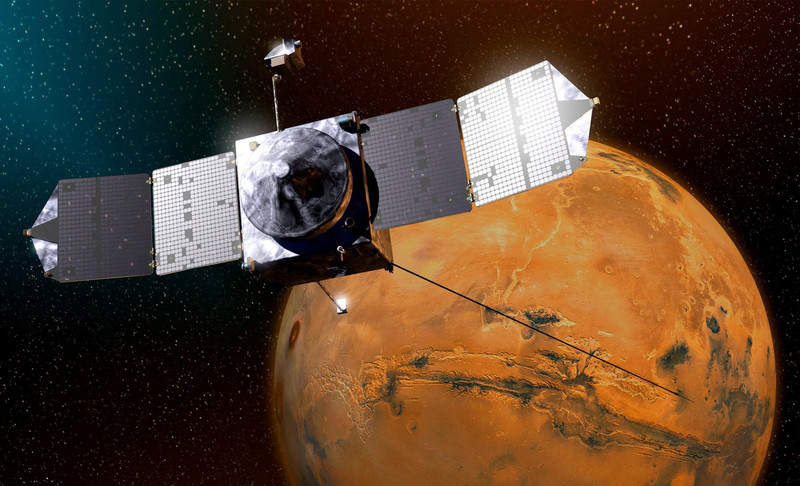
NASA's Maven Mars Orbiter Declared Out of Service After Six Months of Silence
Following an anomaly that disrupted its orbit and depleted its batteries, the Maven spacecraft, vital for understanding Mars' atmosphere, has ended its active mission. Its scientific data remains an invaluable legacy.

Windows Drops NTLM: Microsoft Boosts Security with Kerberos
Microsoft is taking a crucial step to bolster security in Windows 11, announcing the deprecation of NTLM, its oldest authentication protocol, in favor of Kerberos.
Comments (0)
No comments yet. Be the first!
Leave a comment