
Amazon Leo Reaches 396 Satellites, Satellite Internet Service Launching This Year
Amazon Leo, the company's low-orbit satellite network, now has enough units to offer continuous service in initial latitudes, preparing for its launch this year and competing with Starlink.

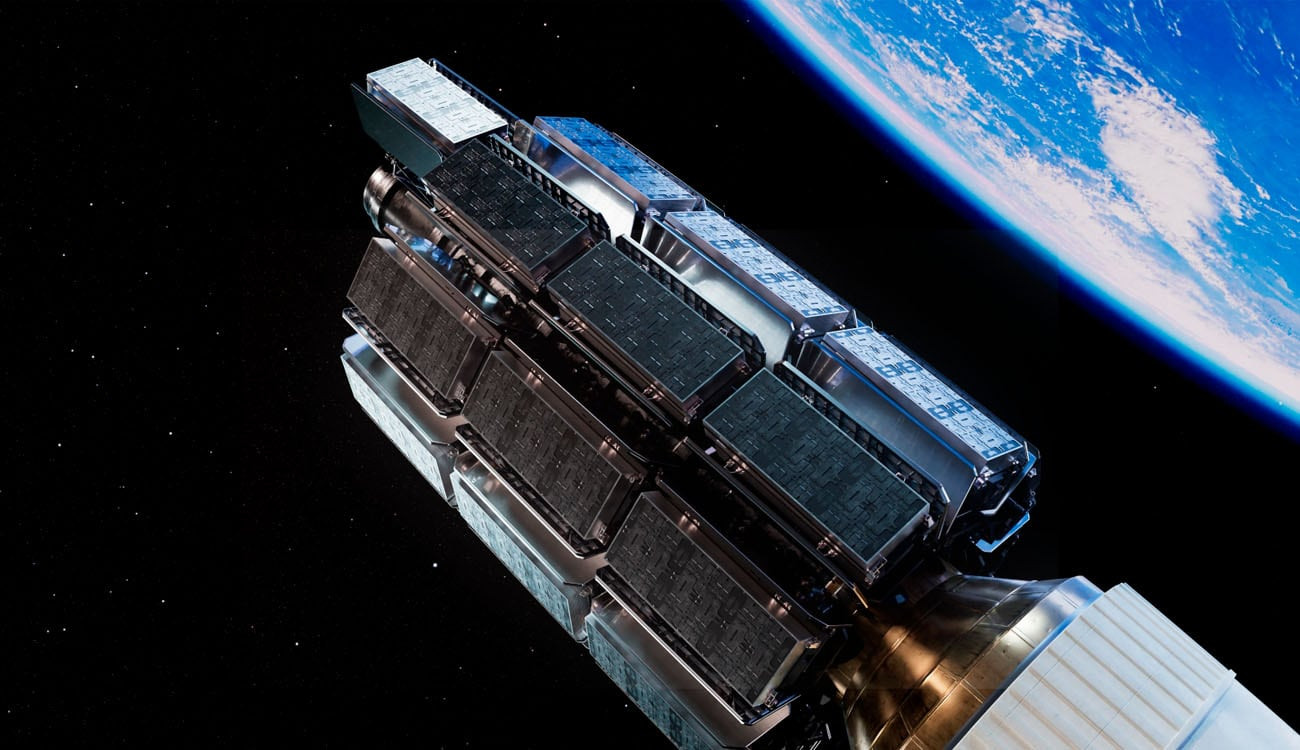
With 396 satellites now in orbit, Amazon Leo is poised to launch its satellite internet service this year, the company confirmed. This milestone marks a crucial step in its direct competition with Starlink, ensuring enough satellites to provide continuous service in initial latitudes.
The Amazon Leo network, which began its large-scale deployment in April 2025, has completed 14 launch missions to date. The latest of these missions, designated LA-08 (Leo Atlas 8), successfully deployed 29 new satellites using an Atlas V rocket, bringing the total number of operational units to 396.
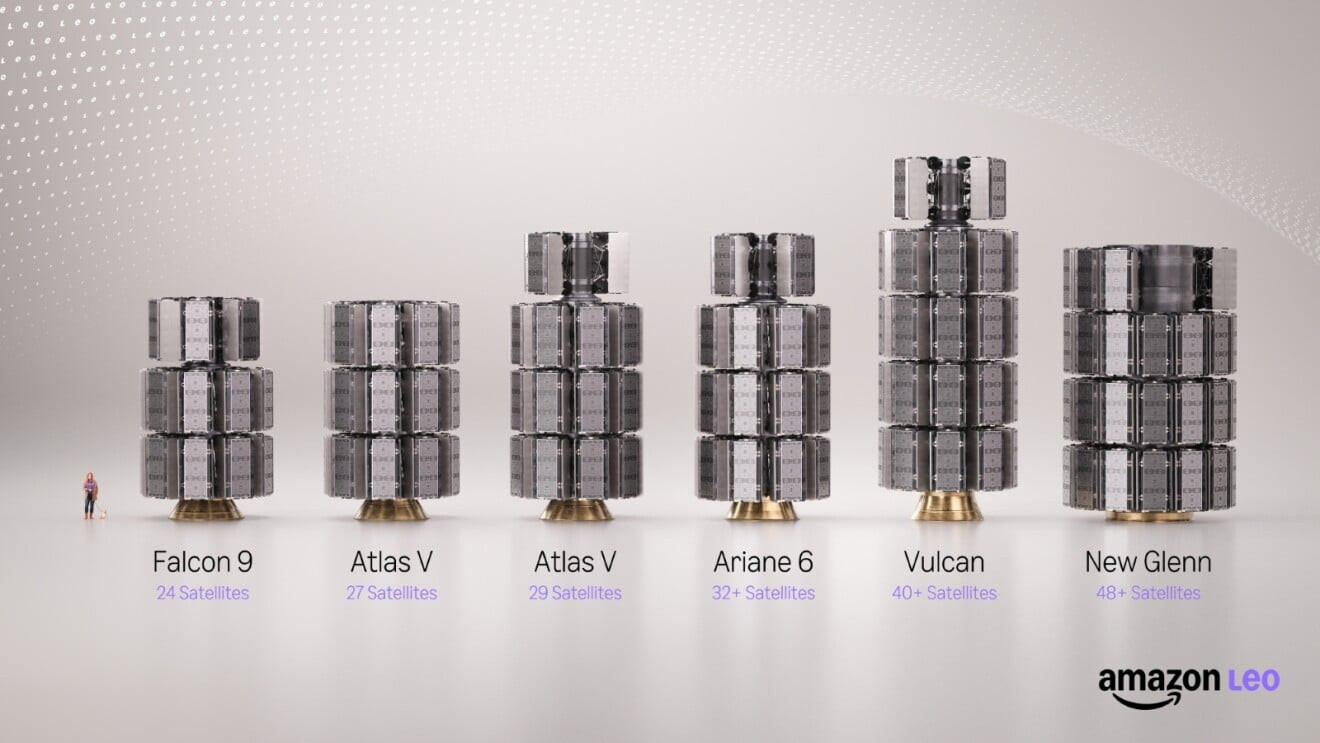
This achievement positions Amazon Leo as the third-largest constellation in orbit, a fundamental step that enables the promise of global connectivity. Chris Weber, vice president responsible for business and product at Amazon Leo, highlighted the constellation's current operational capability.
"With these 29 new satellites launched with the Atlas V rocket, Amazon has managed to have enough satellites operating in low Earth orbit to support continuous service in initial latitudes," Chris Weber stated in comments to The Verge.
For users seeking an alternative to terrestrial internet options or those living in rural areas with limited connectivity, the arrival of Amazon Leo signifies a powerful new choice. The intensifying competition in the satellite internet sector could translate into improved services and prices for consumers.
Amazon's plans extend beyond this initial deployment. The company intends to conduct over 100 additional launches, incorporating the new Vulcan rocket to significantly accelerate its deployment pace. This strategy aims to rapidly expand network coverage following the initial service launch.
Melissa Wuerl, director of launch systems for Amazon Leo, emphasized the readiness of the infrastructure for this ambitious growth. The company has hundreds of satellites prepared at Cape Canaveral and a new dedicated vertical integration facility.
"With hundreds of satellites ready to fly at Cape Canaveral and a new dedicated vertical integration facility, prepared to support Leo Vulcan 1 and subsequent missions, we have a clear path to increase launch and deployment cadence, which will help us rapidly expand network coverage following initial service launch later this year," Melissa Wuerl confirmed in a statement on Amazon's website.
In Argentina, Amazon Leo will operate in partnership with DirecTV, a strategic move designed to leverage the local provider's infrastructure and reach. This contrasts with Starlink's more direct operational model and could offer advantages in distribution and customer support in the region, proving crucial for expansion in Latin America.
The race to dominate the satellite internet space is more competitive than ever. With Amazon Leo joining the global offering this year, the question remains: how quickly can the company expand its "continuous service" beyond "initial latitudes" to truly challenge Starlink's market leadership worldwide?
Keep reading online — scan the code
https://go.tricuatro.com/amazon-l
© tricuatro.com
Article topics
Related articles

X Launches Creator Studio for Live Streams with Monetization Features
X is introducing "Creator Studio," a new hub for managing live broadcasts, offering moderation tools and monetization options for content creators.
Google Translate Adds Duolingo-Style Widget to Boost Language Learning
Google's translation app aims to transform into a daily learning platform, integrating a streak system and AI conversations on Android.

Intel Debuts Panther Lake and Arc B-Series with Advanced 18A Node
Intel unveils its new Core Ultra Series 3 mobile processor family and Arc B-Series graphics cards, marking the industrial debut of its advanced Intel 18A manufacturing node in the U.S.
Latest news
View all
National Geographic Museum of Exploration Opens in Washington D.C.
With a US$300 million investment, the new space offers immersive experiences and a journey through 138 years of discoveries, inviting visitors to become explorers.

Star Wars Visions: The Ninth Jedi Leads New Expansion Phase
Lucasfilm launches "Star Wars Visions Presenta" with its first miniseries, aiming to extend stories from the acclaimed anthology.

Sony to Stop Selling Games on Physical Discs from January 2028
The Japanese company adapts to user preference for digital formats and the evolution of video game development.
Comments (0)
No comments yet. Be the first!
Only registered readers can comment.