
Wireless Charging for Electric Cars Achieves 95% Efficiency
A team at the University of Stuttgart reached a key milestone, making cable-free charging as efficient as traditional solutions and paving the way for a more convenient electric mobility future.
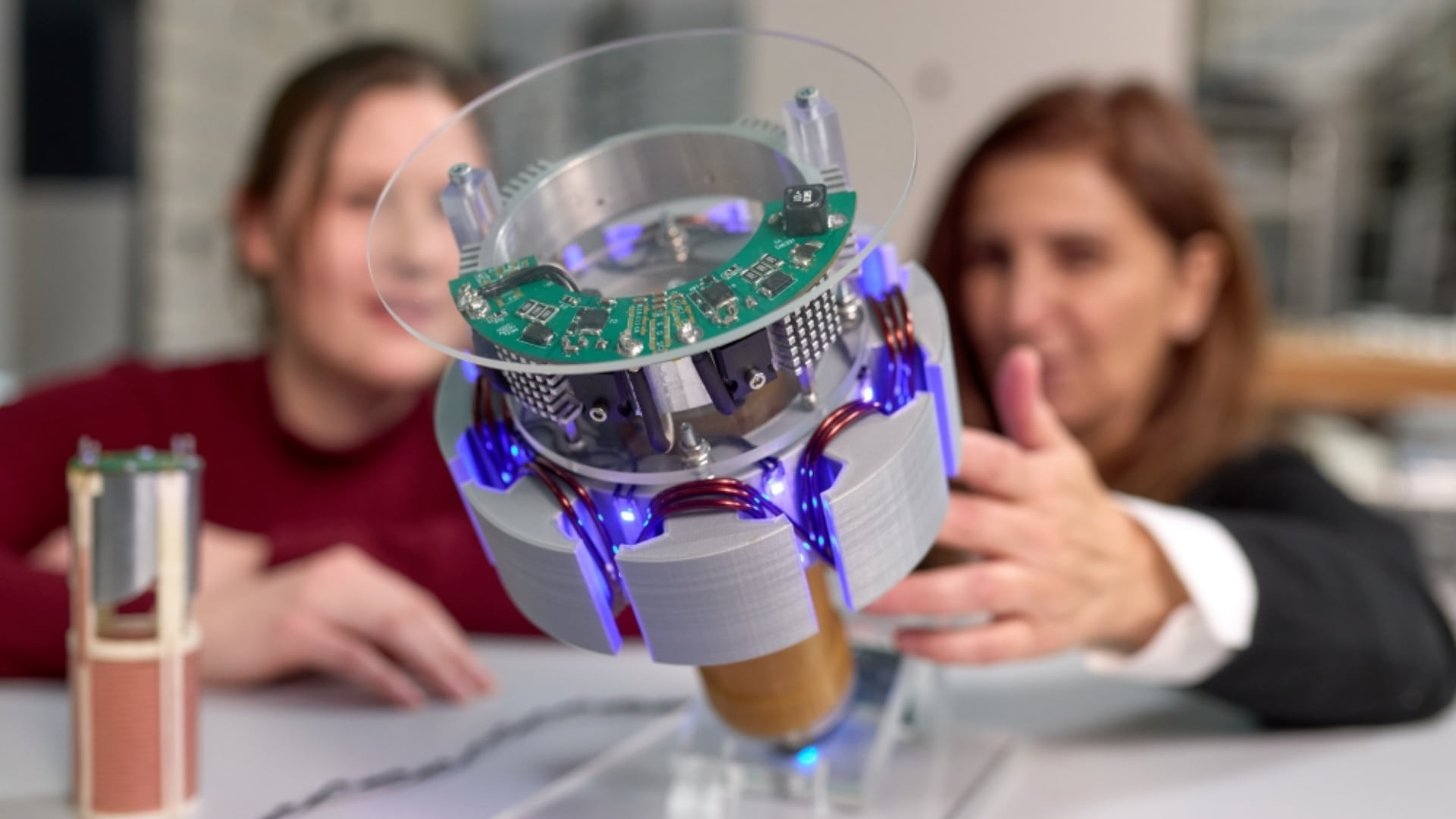
Wireless charging for electric vehicles just made a significant leap. A team at the University of Stuttgart, led by Dr. Nejila Parspour, achieved 95% efficiency in stationary charging. This breakthrough puts cable-free technology on par with conventional wired solutions. It promises to transform electric mobility. They also reached 90% efficiency for mobile applications, a crucial step for the future.
This technology operates on the principle of magnetic induction. An electric current flowing through one coil generates a magnetic field. This field then induces voltage in a nearby second coil. Electricity transfers through the air without physical connectors. Achieving high efficiency required advanced electronic components and sophisticated control algorithms. These optimize the transfer even with a considerable air gap between coils.
The main advantage of inductive charging is convenience.
The main advantage of inductive charging is convenience. It eliminates cables, which are often frequent points of failure in electrical systems. Dr. Parspour highlights that fewer cables improve the user experience. They also increase device reliability, efficiency, and safety. Electric car drivers will simply park in designated spots. The vehicle will then begin charging automatically.
The applications of this technology extend beyond static charging. Advanced tests allow for charging infrastructure to be embedded beneath roadways. This enables electric vehicles to charge while driving. This innovation could lead to cars with smaller batteries. It would reduce critical materials like lithium, vehicle weight, and overall cost.
Furthermore, wireless charging opens the door to bidirectionality. Electric cars can return energy to the power grid. They act as dynamic storage systems. This helps integrate renewable energy sources more effectively. Vehicles transition from mere consumers to active participants in the energy system.
Tesla already uses inductive charging in some of its autonomous vehicles in the United States. Its adoption is expected to grow alongside the electric car market. Industry also employs this technology in robots and automated guided vehicles. These can recharge at fixed points or while in motion. This allows for more continuous and flexible industrial processes.
Article topics
Related articles

NASA Reveals New Path for Earth's Essential Life Elements
A recent study, published in Science Advances, uncovers how early Earth may have received phosphorus and nitrogen, highlighting Jupiter's critical role.
NASA's Maven Mars Orbiter Declared Out of Service After Six Months of Silence
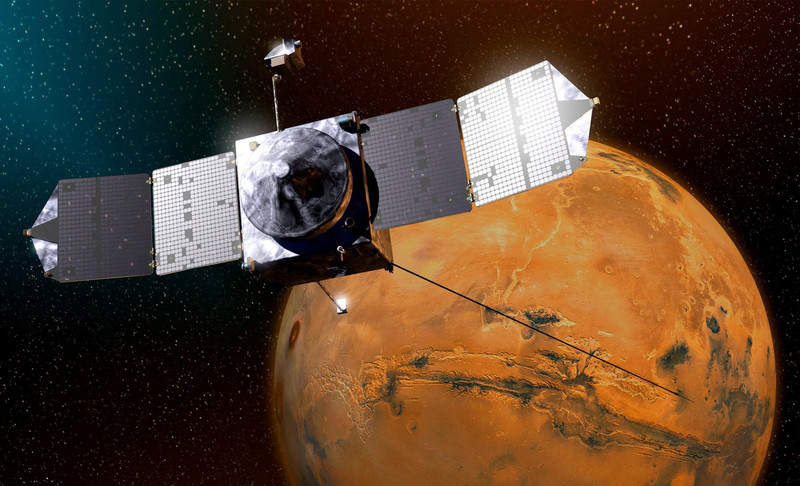
Following an anomaly that disrupted its orbit and depleted its batteries, the Maven spacecraft, vital for understanding Mars' atmosphere, has ended its active mission. Its scientific data remains an invaluable legacy.

NASA Space Robotics Challenge
NASA invites U.S. researchers to submit proposals for experiments using a robotic arm that will be sent to low Earth orbit as part of the Fly Foundational Robots mission.
Latest news
View all
Stuntman Hollywood: Returns After 19 Years to PS5, Xbox Series, and PC
The iconic action and vehicular stunt franchise makes its comeback courtesy of Saber Interactive, promising a dose of nostalgia and adrenaline for the new generation.

Windows Drops NTLM: Microsoft Boosts Security with Kerberos
Microsoft is taking a crucial step to bolster security in Windows 11, announcing the deprecation of NTLM, its oldest authentication protocol, in favor of Kerberos.

Google Launches Gemma 4 12B: Local AI for Your Laptop with 16GB RAM
Google's new artificial intelligence model aims to democratize access to generative AI, allowing it to run on average consumer computers.
Comments (0)
No comments yet. Be the first!
Leave a comment