
White House to Deploy Anthropic's Mythos AI to Federal Agencies
The U.S. government is moving forward with advanced artificial intelligence integration, despite cybersecurity concerns. A version of Anthropic's powerful Mythos model will be available to major federal agencies.

The United States government is preparing to make a version of Anthropic PBC’s powerful new artificial intelligence model, Mythos, available to major federal agencies. This initiative, detailed in a memo reviewed by Bloomberg News, aims to enhance the operational capabilities of the public sector.
This decision comes amidst significant discussions regarding the risks such an advanced tool could pose. There is an underlying concern that the deployment of this AI could sharply increase cybersecurity risks for government infrastructures.
Mythos stands as one of the most sophisticated large language models (LLMs) on the market, developed by Anthropic, a leading AI research company. These models are capable of understanding, generating, and processing text in a human-like manner, opening a wide range of possibilities for automation and data analysis.
The integration of Mythos could transform how federal agencies manage massive volumes of information. Imagine the optimization in tasks like drafting reports, assisting in complex investigations, or improving citizen interaction.
The deployment of this AI could sharply increase cybersecurity risks for government infrastructures.
However, Mythos's power also raises crucial questions. Managing sensitive data, preventing algorithmic biases, and protecting against potential vulnerabilities are aspects the government must address with utmost priority. Establishing robust protocols is essential to mitigate any risks.
This move by the White House underscores the growing importance of artificial intelligence in public administration. It represents a delicate balance between the pursuit of efficiency and technological innovation, and the imperative need to safeguard national security and user privacy.
The tech community and security experts will closely monitor how this implementation is managed. It will be key to observe the measures taken to ensure that Mythos's benefits outweigh the inherent challenges of its advanced capabilities. The future of AI in government is here!
Related articles
Google Launches Gemma 4 12B: Local AI for Your Laptop with 16GB RAM
Google's new artificial intelligence model aims to democratize access to generative AI, allowing it to run on average consumer computers.

Nvidia Challenges Intel and AMD with RTX Spark Superchip for PCs
Nvidia introduced RTX Spark, a processor promising to bring advanced artificial intelligence directly to your PC, without cloud dependence, and boost gaming to unprecedented levels on conventional machines.

Anthropic's Claude Opus 4.8 boosts "honesty" and reduces code flaws
Anthropic's new AI model, Claude Opus 4.8, launches this Thursday with a focus on transparency and error reduction, giving users more control over computational effort.
Latest news
View all
Stuntman Hollywood: Returns After 19 Years to PS5, Xbox Series, and PC
The iconic action and vehicular stunt franchise makes its comeback courtesy of Saber Interactive, promising a dose of nostalgia and adrenaline for the new generation.
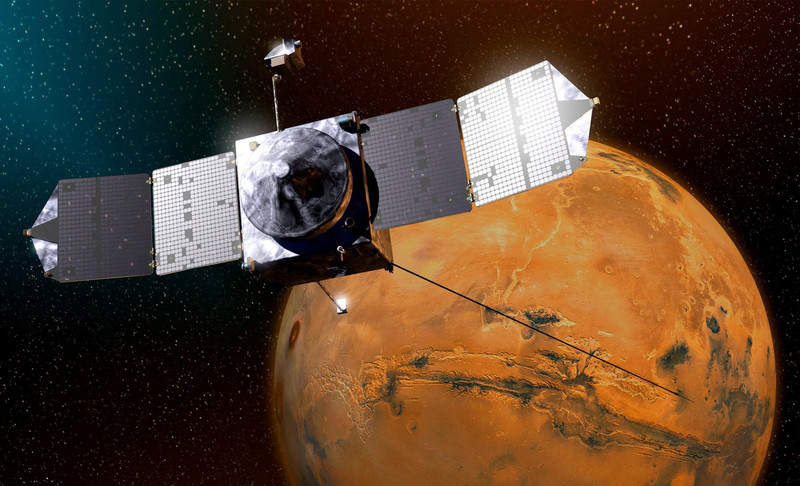
NASA's Maven Mars Orbiter Declared Out of Service After Six Months of Silence
Following an anomaly that disrupted its orbit and depleted its batteries, the Maven spacecraft, vital for understanding Mars' atmosphere, has ended its active mission. Its scientific data remains an invaluable legacy.

Windows Drops NTLM: Microsoft Boosts Security with Kerberos
Microsoft is taking a crucial step to bolster security in Windows 11, announcing the deprecation of NTLM, its oldest authentication protocol, in favor of Kerberos.
Comments (0)
No comments yet. Be the first!
Leave a comment