
The Emotional Posthumous Bridge: James Lovell's Message Awakens Artemis II in Lunar Orbit
The Artemis II crew received a posthumous message from legendary Apollo 13 commander James Lovell during their lunar flyby, forging an emotional link between eras of space exploration and marking a historic day.
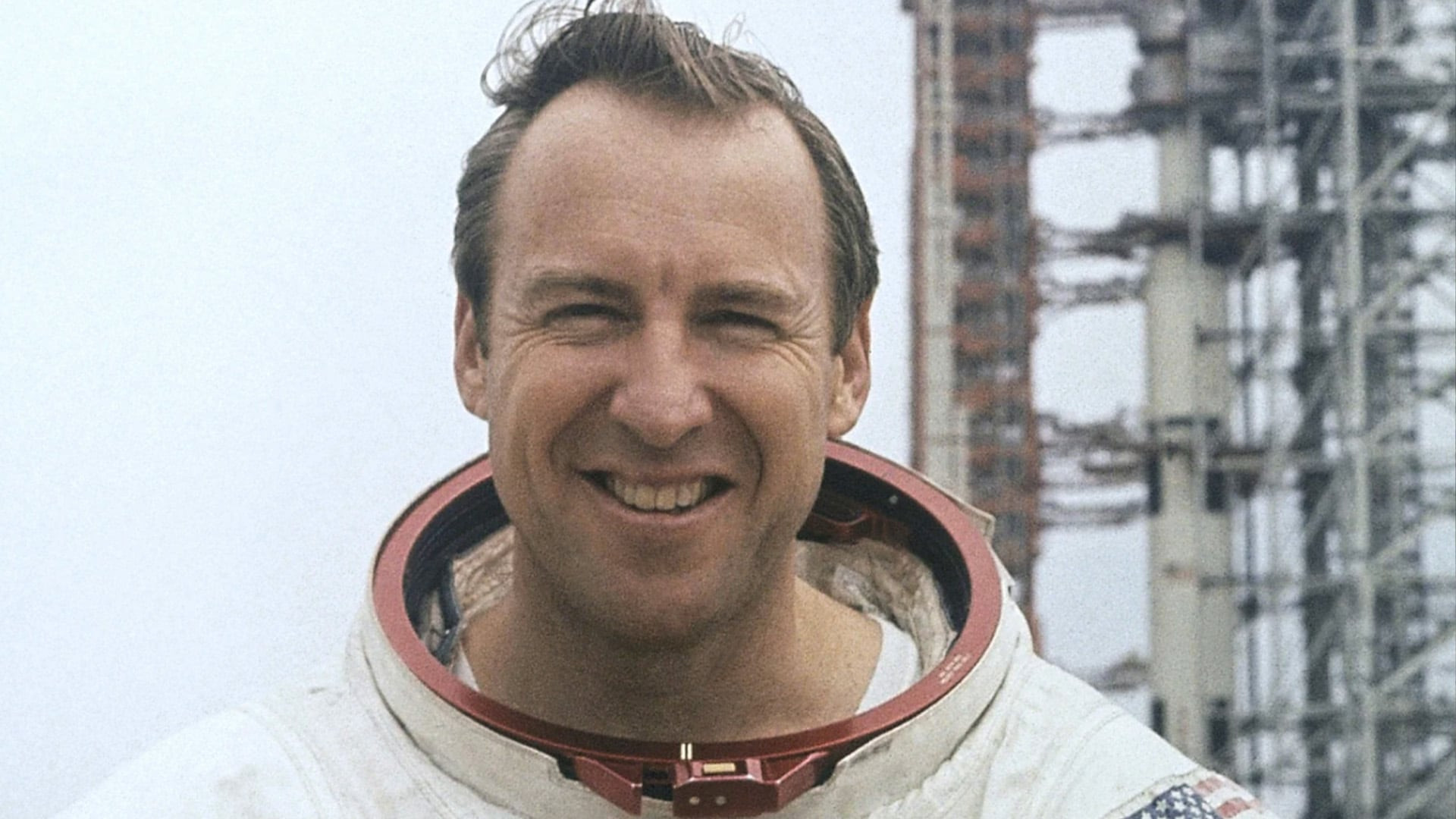
The vastness of deep space became the backdrop for a moment of profound historical and emotional resonance for the crew of the Artemis II mission. As NASA astronauts Reid Wiseman, Victor Glover, and Christina Koch, alongside Canadian Space Agency (CSA) astronaut Jeremy Hansen, prepared for their eagerly anticipated lunar flyby, nearly 30,200 kilometers from the Moon's surface, a familiar and revered voice broke through their morning awakening. It was the voice of James Lovell, the iconic commander of the historic Apollo 13 mission and one of the last astronauts of the pioneering generation, whose posthumous message became a moving bridge between the glorious past and the promising future of space exploration.
A Posthumous Message That Transcends Time
The day for the Artemis II crew began in a unique way. The melody of "Good Morning" by Mandisa and TobyMac filled the spacecraft, setting the mood for the first crewed lunar flyby since Apollo 17 in 1972. NASA, aware of the historical weight, orchestrated a symbolic awakening, evoking the traditions that characterized the Apollo missions. However, the true intensity of the moment arrived when Lovell's voice, recorded shortly before his passing in August 2025, emerged on the intercom. "Hello, Artemis II! This is Jim Lovell, Apollo program astronaut. Welcome to my old neighborhood!" he greeted, transporting the crew and the audience on Earth to a golden era of exploration. His reference to "his old neighborhood" was no coincidence; Lovell was part of the Apollo 8 crew, the first crewed mission to orbit the Moon, offering humanity its first close view of our satellite and a unifying perspective of Earth.
Passing the Torch: From the Moon to Mars
Lovell's message not only recalled past glories but also outlined a clear vision for the future. He continued: "When Frank Borman, Bill Anders, and I orbited the Moon on Apollo 8, humanity had the first close view of the Moon and a perspective of our planet that inspired and united people around the world. I am proud to pass the torch to you, as you orbit the Moon and lay the groundwork for missions to Mars… for the benefit of all." These words encapsulated the essence of the Artemis mission: not just returning to the Moon, but establishing a sustainable presence as a stepping stone for human exploration of Mars. Lovell, with his wisdom and experience, urged the crew not to forget the importance of their journey: "It’s a historic day, and I know how busy you’ll be. But don’t forget to enjoy the view." He concluded his emotional greeting by wishing "good luck and Godspeed" to Reid, Victor, Christina, and Jeremy, as well as the supporting teams on Earth, underscoring the collaborative nature of space exploration.
The Legacy of a Pioneer: James Lovell and the Continuity of Exploration
Lovell's greeting was not merely a message, but a palpable reminder of the continuity of a collective dream and the legacy of a man whose life was intrinsically linked to space exploration. The Associated Press reported that Lovell's passing at 97 years old in Lake Forest, Illinois, in August 2025, marked the end of an era, but also prompted NASA to reaffirm the value of his contributions. In a statement following his death, the agency expressed: "Jim’s character and unwavering bravery helped our nation reach the Moon and transformed a potential tragedy into a success from which we learned a great deal." This statement directly references his heroic role as commander of Apollo 13, where his leadership and composure were crucial in safely bringing his crew back after an explosion in the service module.
The figure of Jim Lovell holds a central and unmovable place in the annals of space history. His impressive career included participation in four pivotal missions: Gemini 7, Gemini 12, Apollo 8, and Apollo 13. Throughout these missions, he accumulated a total of 715 hours, 4 minutes, and 57 seconds in space, a record that stood until the advent of the Skylab program. His life was a testament to courage, ingenuity, and an unwavering dedication to the final frontier. The posthumous message to the Artemis II crew is not just a farewell, but an invitation to new generations of explorers to continue the journey, carrying with them the spirit of adventure and human connection that Lovell and his contemporaries forged among the stars. It is a reminder that, while technology and objectives evolve, the spirit of space exploration is a unifying thread that connects humanity across time and space.
Article topics
Related articles

NASA Reveals New Path for Earth's Essential Life Elements
A recent study, published in Science Advances, uncovers how early Earth may have received phosphorus and nitrogen, highlighting Jupiter's critical role.
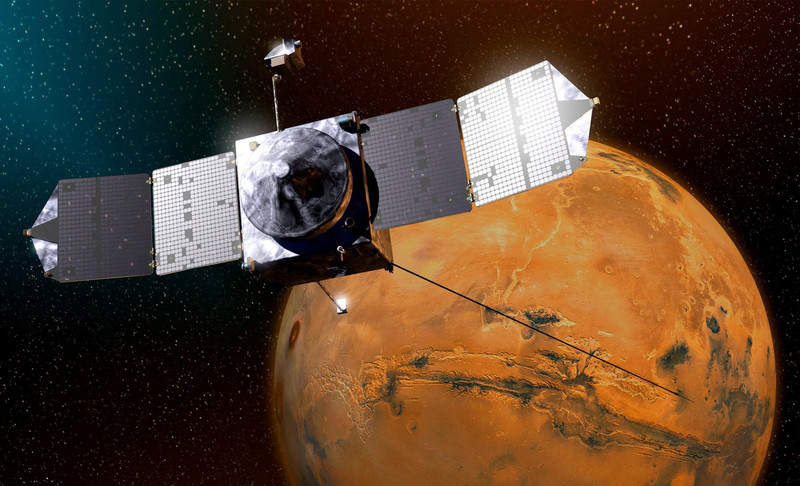
NASA's Maven Mars Orbiter Declared Out of Service After Six Months of Silence
Following an anomaly that disrupted its orbit and depleted its batteries, the Maven spacecraft, vital for understanding Mars' atmosphere, has ended its active mission. Its scientific data remains an invaluable legacy.
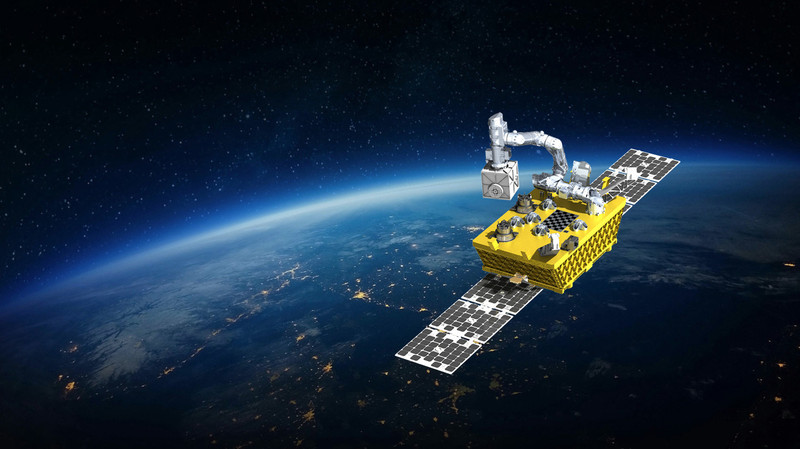
NASA Space Robotics Challenge
NASA invites U.S. researchers to submit proposals for experiments using a robotic arm that will be sent to low Earth orbit as part of the Fly Foundational Robots mission.
Latest news
View all
Stuntman Hollywood: Returns After 19 Years to PS5, Xbox Series, and PC
The iconic action and vehicular stunt franchise makes its comeback courtesy of Saber Interactive, promising a dose of nostalgia and adrenaline for the new generation.

Windows Drops NTLM: Microsoft Boosts Security with Kerberos
Microsoft is taking a crucial step to bolster security in Windows 11, announcing the deprecation of NTLM, its oldest authentication protocol, in favor of Kerberos.

Google Launches Gemma 4 12B: Local AI for Your Laptop with 16GB RAM
Google's new artificial intelligence model aims to democratize access to generative AI, allowing it to run on average consumer computers.
Comments (0)
No comments yet. Be the first!
Leave a comment