
The "AI Psychosis": The Hidden Cost of Extreme Productivity for Developers
Experts like OpenAI's Andrej Karpathy reveal AI's dark side, with grueling hours and anxiety over token usage.
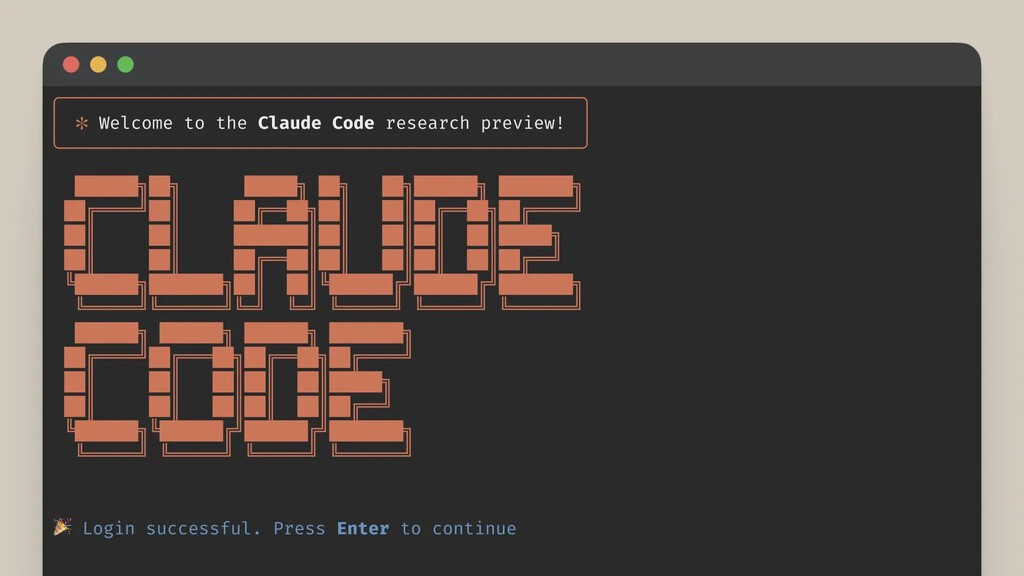
Andrej Karpathy, co-founder of OpenAI, described a state of "AI psychosis" that keeps him working intensely since December. This phenomenon, involving 16-hour days directing swarms of code agents, reveals a concerning pattern among high-performing developers. The situation challenges the narrative of unlimited artificial intelligence productivity, showing a dark side with signs of behavioral deterioration. Understanding how these tools impact the mental health of their most intensive users is crucial.
Karpathy admitted feeling "extremely nervous" when he has unused tokens at the end of the month, a confession made in an interview with Sarah Guo. This is not an isolated case; Garry Tan, CEO of Y Combinator, called his own experience "cyber psychosis." One CTO, as reported by Axios, even needs prescription medication to sleep due to the intensity of working with AI. These examples highlight the seriousness of the issue.
Karpathy's anxiety over unused tokens is a behavioral signature that internalizes scarcity as a threat. This mechanism is similar to what keeps a gambler hooked on a slot machine. Developer Armin Ronacher anticipated this in January: "Many of us fell into code agent addiction. We barely slept, building incredible things." Compulsion becomes a driving force.
AI agents, such as Claude Code or OpenAI's Codex, operate autonomously for hours. They do not function like a simple chatbot; they write, test, and deploy code while the developer supervises, corrects, and delegates. The promise of efficiency is enormous, but the cognitive cost is equally significant. The human brain is not designed to supervise machine-speed processes for 16-hour shifts.
Traditionally, programmers are known for their marathon concentration sessions, and sleepless nights before a launch are part of industry folklore. However, what distinguishes this current phenomenon is its compulsive and continuous nature. It is not about the punctual pressure of a deadline, but an activation that does not switch off when work ends. With an agent that can keep running, the work never truly ends.
The human brain is not designed to supervise machine-speed processes for 16-hour shifts.
Related articles
Google Launches Gemma 4 12B: Local AI for Your Laptop with 16GB RAM
Google's new artificial intelligence model aims to democratize access to generative AI, allowing it to run on average consumer computers.

Nvidia Challenges Intel and AMD with RTX Spark Superchip for PCs
Nvidia introduced RTX Spark, a processor promising to bring advanced artificial intelligence directly to your PC, without cloud dependence, and boost gaming to unprecedented levels on conventional machines.

Anthropic's Claude Opus 4.8 boosts "honesty" and reduces code flaws
Anthropic's new AI model, Claude Opus 4.8, launches this Thursday with a focus on transparency and error reduction, giving users more control over computational effort.
Latest news
View all
Stuntman Hollywood: Returns After 19 Years to PS5, Xbox Series, and PC
The iconic action and vehicular stunt franchise makes its comeback courtesy of Saber Interactive, promising a dose of nostalgia and adrenaline for the new generation.
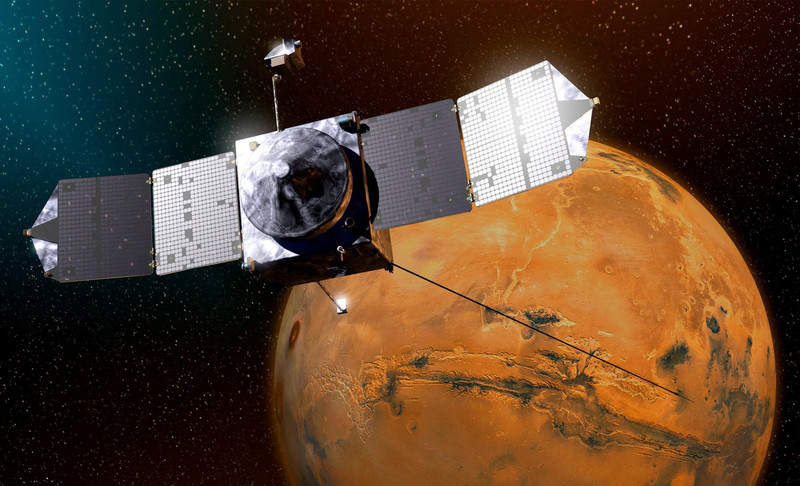
NASA's Maven Mars Orbiter Declared Out of Service After Six Months of Silence
Following an anomaly that disrupted its orbit and depleted its batteries, the Maven spacecraft, vital for understanding Mars' atmosphere, has ended its active mission. Its scientific data remains an invaluable legacy.

Windows Drops NTLM: Microsoft Boosts Security with Kerberos
Microsoft is taking a crucial step to bolster security in Windows 11, announcing the deprecation of NTLM, its oldest authentication protocol, in favor of Kerberos.
Comments (0)
No comments yet. Be the first!
Leave a comment