
Talent Exodus at SpaceXAI Post-xAI Merger: A Setback for Elon Musk?
Over 50 key researchers and engineers have departed the merged company, raising concerns about the future of Elon Musk's ambitious space-based AI projects.
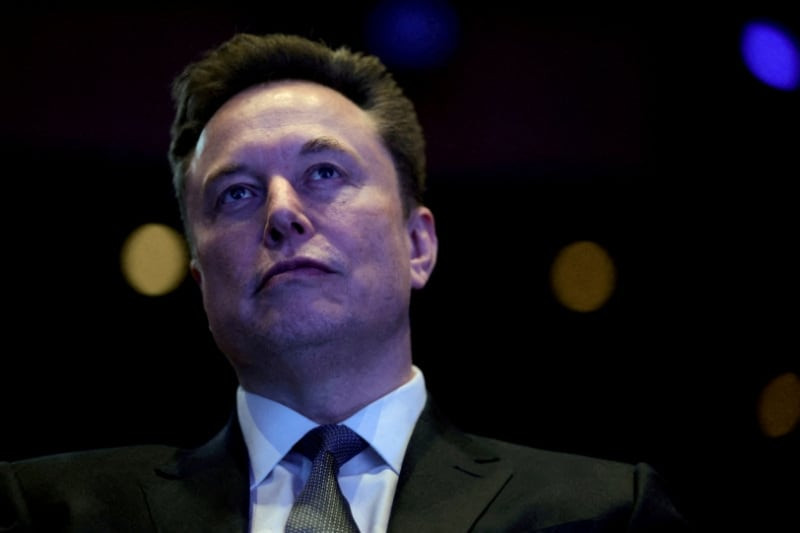
The recent merger of SpaceX and xAI, now operating as SpaceXAI under Elon Musk's leadership, is facing an unexpected challenge: a significant talent exodus. Since February, more than 50 researchers and engineers have left the company, including key figures in areas like coding, world models, and Grok's voice capabilities.
This departure of specialized personnel represents a considerable setback for Musk's ambitious plans to develop orbital data centers and a computational cloud in space. The loss of critical talent could slow down or even compromise the development of advanced artificial intelligence technologies.
Rival companies in the competitive AI field, such as Meta and Thinking Machine Labs, have already begun recruiting these former employees. At least 11 members of xAI have joined Meta, while seven have opted for Thinking Machine Labs, led by Mira Murati. This situation highlights the high demand for AI experts and the intense competition for talent.
The departure of Juntang Zhuang, the leader of the pre-training team, has intensified concerns about SpaceXAI's commitment to building cutting-edge AI models. Pre-training is a fundamental stage in developing these technologies, and its weakening casts doubt on the company's ability to innovate.
The departure of the team leader, Juntang Zhuang, has increased concerns about the future of AI projects.
The work culture, often described as "extreme" under Elon Musk's direction, appears to be a significant factor in these departures. Internal sources indicate that unrealistic deadlines for model training led to shortcuts in Grok's development, causing frustration among the team.
However, not all departures are solely due to work pressure. Some former employees saw an opportunity to sell acquired shares, especially with the expectation of an upcoming company IPO. Immediate financial benefit became a priority for some.
Musk's vision for SpaceXAI is bold: to move artificial intelligence infrastructure off-world. The goal is to create orbital data centers that leverage constant solar energy, overcoming the power and cooling limitations of terrestrial data centers. This would allow AI to scale to a "superintelligence" without relying on the planet's electrical grid.
The vertical integration of SpaceX and xAI aims to control the entire process, from Starship rocket launches to server operations and Starlink satellite connectivity. This model seeks to reduce costs and create a self-sufficient space infrastructure for advanced AI development, marking a shift towards an "orbital computational cloud.".
Related articles
Google Launches Gemma 4 12B: Local AI for Your Laptop with 16GB RAM
Google's new artificial intelligence model aims to democratize access to generative AI, allowing it to run on average consumer computers.
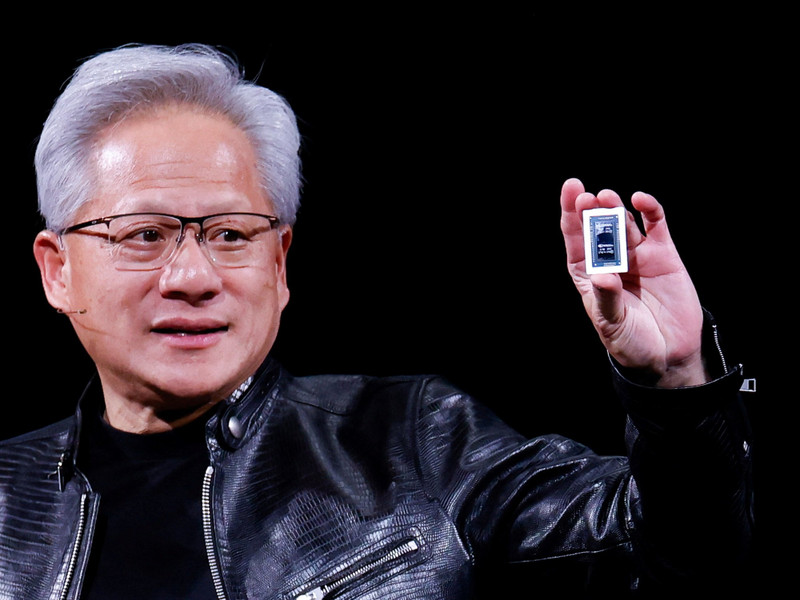
Nvidia Challenges Intel and AMD with RTX Spark Superchip for PCs
Nvidia introduced RTX Spark, a processor promising to bring advanced artificial intelligence directly to your PC, without cloud dependence, and boost gaming to unprecedented levels on conventional machines.

Anthropic's Claude Opus 4.8 boosts "honesty" and reduces code flaws
Anthropic's new AI model, Claude Opus 4.8, launches this Thursday with a focus on transparency and error reduction, giving users more control over computational effort.
Latest news
View all
Stuntman Hollywood: Returns After 19 Years to PS5, Xbox Series, and PC
The iconic action and vehicular stunt franchise makes its comeback courtesy of Saber Interactive, promising a dose of nostalgia and adrenaline for the new generation.
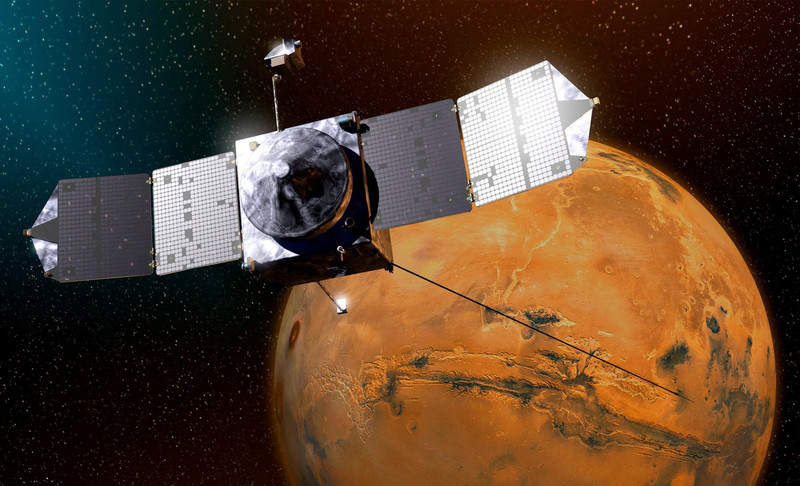
NASA's Maven Mars Orbiter Declared Out of Service After Six Months of Silence
Following an anomaly that disrupted its orbit and depleted its batteries, the Maven spacecraft, vital for understanding Mars' atmosphere, has ended its active mission. Its scientific data remains an invaluable legacy.

Windows Drops NTLM: Microsoft Boosts Security with Kerberos
Microsoft is taking a crucial step to bolster security in Windows 11, announcing the deprecation of NTLM, its oldest authentication protocol, in favor of Kerberos.
Comments (0)
No comments yet. Be the first!
Leave a comment