
Samsung's RAM Crisis Profits Outpace Last 40 Years, Driven by AI
Samsung's semiconductor division earned more in one year from the RAM crisis than in the past four decades combined, driven by scarcity and AI chip demand.

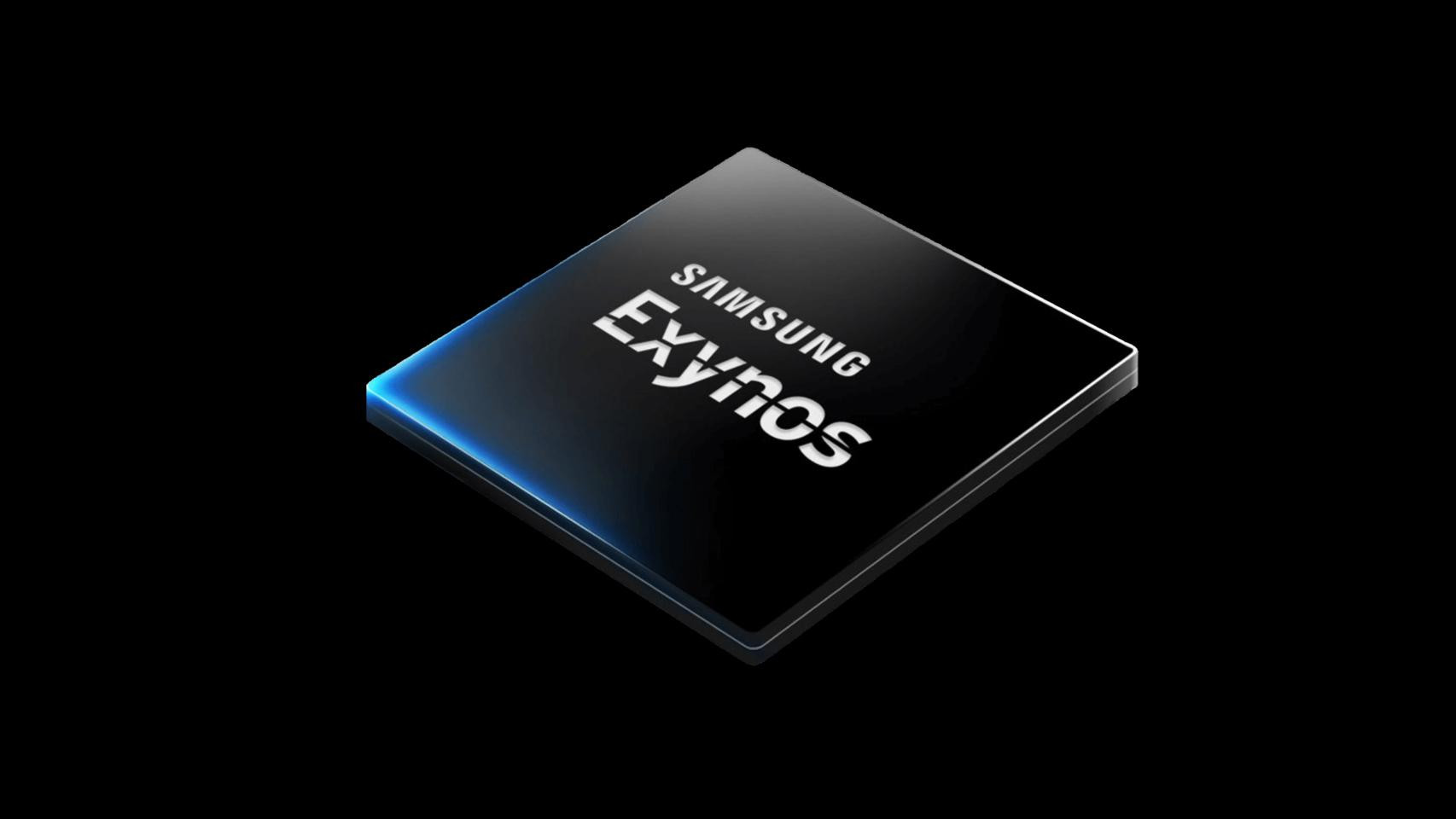
Samsung's semiconductor division has achieved extraordinary profits, earning more in just 365 days from the RAM and other memory crises than it did over the past 40 years combined. This unprecedented surge stems from the global scarcity and high demand for these essential components.
This quarter, the South Korean giant not only broke historical records but also surpassed its combined revenue from the last three years, solidifying its position in a volatile market. The chip shortage has created a landscape of elevated prices and consistent demand, directly benefiting major manufacturers.
Despite these record profits, Samsung's market value saw a significant drop of $100 billion. This decline reflects deep investor concern regarding the long-term sustainability of the current chip boom, which is heavily fueled by artificial intelligence.
"Despite the discount, the market still seems to believe that the current situation is unsustainable and that we are facing a bubble."
The prevailing market sentiment suggests that the current situation is unsustainable, with many analysts pointing to a potential bubble in the sector. This view contrasts sharply with the immediate financial results of companies like Samsung, which are capitalizing on the circumstances.
Samsung, however, holds a different perspective. Its president has assured investors that the company is investing over 40 trillion won annually. This figure represents a strong commitment to growth and expanding its production capacity.
The company plans to continue increasing its investment scale, a clear signal that its strategy is to meet the growing demand for artificial intelligence semiconductors. For Samsung, the immediate future of the chip market remains one of expansion.
Samsung's outlook aligns with other companies in the sector, which anticipate an "extremely inflexible" 2027 in terms of price and demand. This suggests that scarcity and high prices could persist for several more years, particularly in the AI segment.
For consumers, this market "inflexibility" could translate into higher prices for electronic devices, from smartphones to computers and consoles, all critically dependent on RAM and other semiconductors. The escalating demand for AI only intensifies this pressure on the supply chain.
Samsung's massive investment in AI semiconductors underscores its confidence in long-term demand, despite market concerns about a potential bubble. The company is positioning itself to lead a sector that, according to its projections, will maintain robust demand at least until 2027.
Keep reading online — scan the code
https://go.tricuatro.com/samsungs
© tricuatro.com
Article topics
Related articles

Mercado Libre Launches CLIC, a Free AI-Powered Platform for SMEs
Mercado Libre's CLIC initiative aims to democratize e-commerce in Latin America, offering training and AI-driven tools for entrepreneurs.

xAI Launches Grok Voice Agent Builder for AI Voice Agents in Minutes
xAI's new platform enables developers to deploy high-volume production voice assistants with integrated telephony and tools, bypassing the complexity of building the infrastructure from scratch.

Nations Build AI Factories for Strategic Sovereignty and Growth
Governments globally are investing in AI infrastructure and localized models to drive economic growth, national security, and cultural preservation, leveraging advanced computing.
Latest news
View all
Meta faces potential $1.4 trillion fine over addictive youth products
Mark Zuckerberg's company prepares for a pivotal trial in August, accused by several states of violating consumer protection and child privacy laws.

China's Great Green Wall: Artificial Forests Outpace Natural Growth
China planted 66 billion trees over nearly half a century to combat desertification, and a new study shows they grow faster than natural forests, albeit with important nuances.

God of Destruction Returns: Beerus Joins Gekishin Squadra and New Anime
Beerus, one of Dragon Ball's most iconic villains, makes a dual comeback as a playable character in Gekishin Squadra's Season 6 DLC and in a new anime.
Comments (0)
No comments yet. Be the first!
Only registered readers can comment.