
OpenAI Unveils "Mercury": New AI Model to Accelerate Drug Discovery
The artificial intelligence company has released an early version of its "Mercury" project. This model aims to revolutionize drug creation and boost scientific breakthroughs.
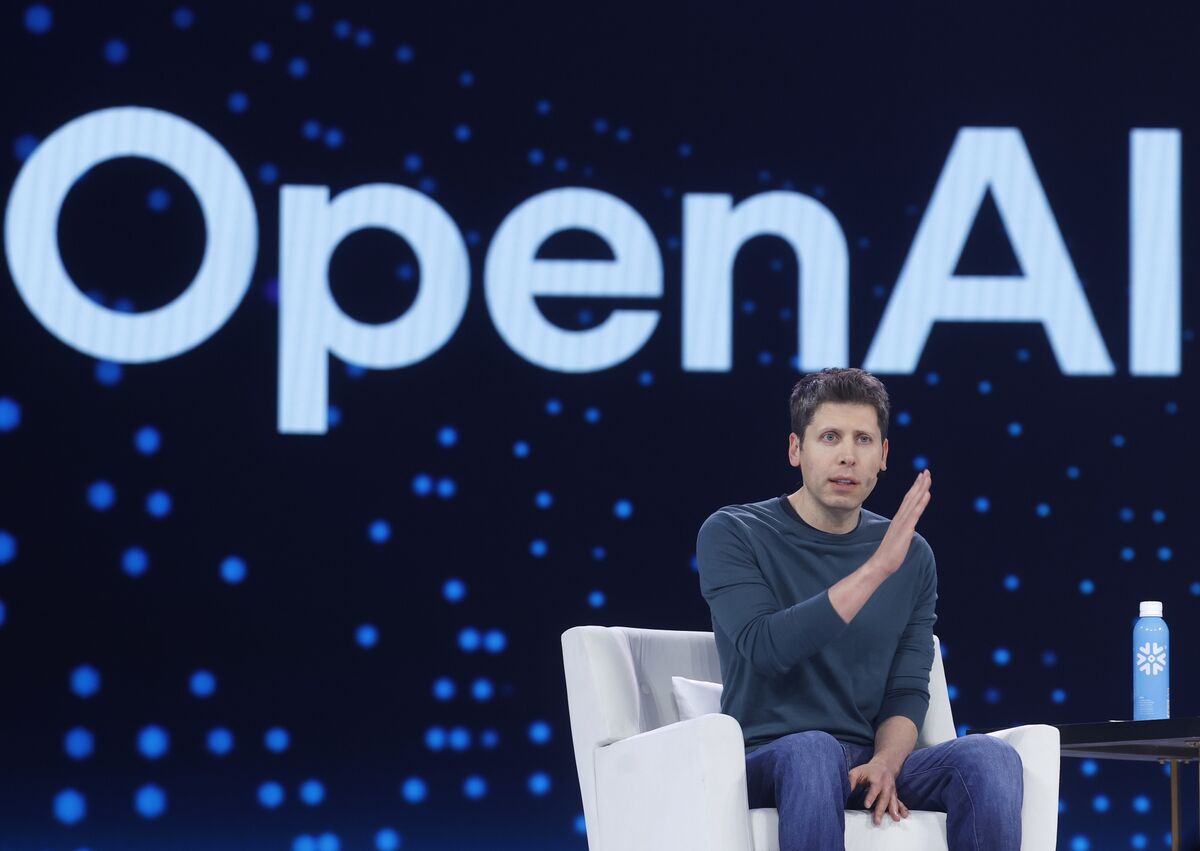
OpenAI has unveiled an early version of a new artificial intelligence model. This innovation aims to significantly accelerate drug discovery processes, a critical area for global health. The project, internally codenamed "Mercury," places OpenAI firmly in a burgeoning field for tech companies.
The primary goal of "Mercury" is to demonstrate how AI can pave the way for significant scientific breakthroughs. It joins other technology firms exploring AI's potential in medical research. The scientific community is closely watching these developments.
This project underscores the urgency at OpenAI, led by Sam Altman, to make its technology more useful to businesses. Applying AI in sectors like pharmaceuticals opens new business avenues. Furthermore, it promises solutions to complex human challenges.
The "Mercury" initiative aims to demonstrate how AI can pave the way for significant scientific breakthroughs.
Traditional drug discovery is typically a lengthy and expensive process. It demands years of extensive research and testing. An AI model can analyze vast volumes of molecular and biological data. This allows for the much more efficient identification of drug candidates.
Artificial intelligence's ability to simulate molecular interactions is crucial. It can also predict the efficacy and safety of compounds. This could drastically reduce the development times for new treatments. Consequently, vital medications would reach patients faster.
With "Mercury," OpenAI not only seeks to innovate in the healthcare sector. It also aims to solidify its role as a leader in the practical application of AI. This step marks a significant milestone at the intersection of cutting-edge technology and medical science.
Article topics
Related articles
Google Launches Gemma 4 12B: Local AI for Your Laptop with 16GB RAM
Google's new artificial intelligence model aims to democratize access to generative AI, allowing it to run on average consumer computers.

Nvidia Challenges Intel and AMD with RTX Spark Superchip for PCs
Nvidia introduced RTX Spark, a processor promising to bring advanced artificial intelligence directly to your PC, without cloud dependence, and boost gaming to unprecedented levels on conventional machines.

Anthropic's Claude Opus 4.8 boosts "honesty" and reduces code flaws
Anthropic's new AI model, Claude Opus 4.8, launches this Thursday with a focus on transparency and error reduction, giving users more control over computational effort.
Latest news
View all
Stuntman Hollywood: Returns After 19 Years to PS5, Xbox Series, and PC
The iconic action and vehicular stunt franchise makes its comeback courtesy of Saber Interactive, promising a dose of nostalgia and adrenaline for the new generation.
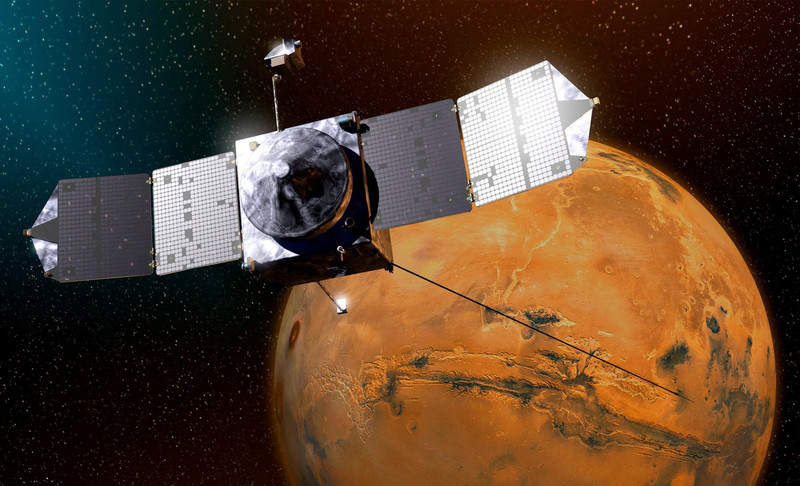
NASA's Maven Mars Orbiter Declared Out of Service After Six Months of Silence
Following an anomaly that disrupted its orbit and depleted its batteries, the Maven spacecraft, vital for understanding Mars' atmosphere, has ended its active mission. Its scientific data remains an invaluable legacy.

Windows Drops NTLM: Microsoft Boosts Security with Kerberos
Microsoft is taking a crucial step to bolster security in Windows 11, announcing the deprecation of NTLM, its oldest authentication protocol, in favor of Kerberos.
Comments (0)
No comments yet. Be the first!
Leave a comment