
Meta uses employee PC activity to train AI systems
Meta has stepped up its AI efforts by monitoring employees' activity on their computers. This move aims to improve AI models and develop personalized agents.
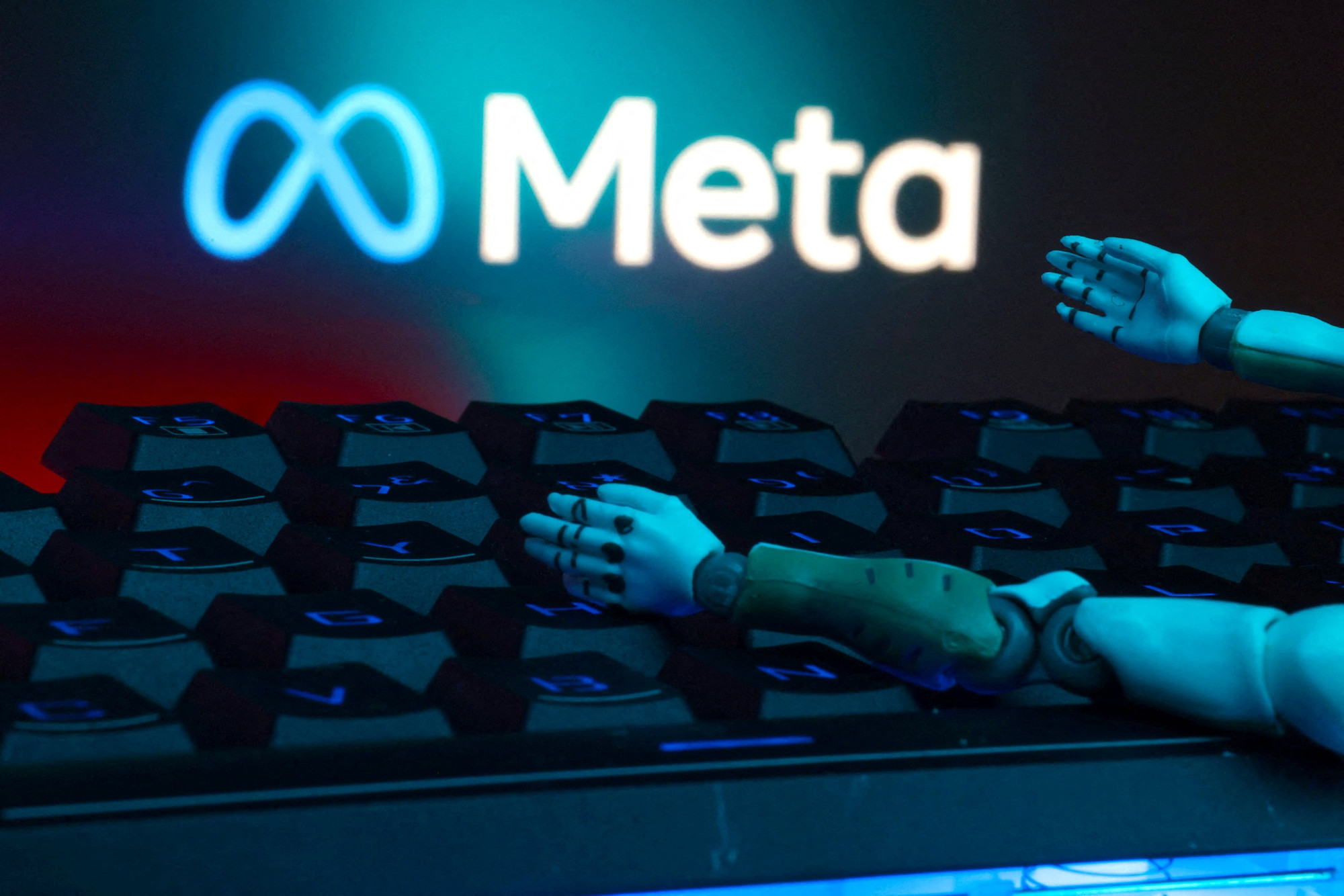
Meta has strengthened its focus on artificial intelligence (AI) by implementing systems that analyze employees' daily computer activity. This approach addresses the need to develop more advanced AI models with real-world use cases, as the company accelerates its digital transformation and seeks new ways to organize work.
According to sources from Meta confirmed to TechCrunch, the company continuously records mouse movements, keystrokes, and clicks on specific applications. This monitoring is not indiscriminate: they use an internal tool that clearly defines monitored areas and includes security measures to protect sensitive information, ensuring data is only used for training AI agents.
The strategy aims for medium-term impact, with plans to create personalized agents that assist both employees and future external users. Additionally, Meta is developing a 3D AI avatar that replicates Mark Zuckerberg’s voice, gestures, and reasoning to improve internal communication and future interactions with content creators.
This avatar is trained using recent public images and statements from Zuckerberg to build a digital identity that reflects his presence and response style in real time. The goal is to strengthen internal connections, with plans to extend this technology to other users and creators later on.
The result is a system that reproduces Zuckerberg’s voice, facial expressions, and responds in his usual style, used in announcements and strategic messages. These tools have radically transformed Meta’s internal processes, including a personal agent Zuckerberg uses for decision-making and quick access to key information, removing intermediaries in logistical and coordination tasks.
Meta aims to accelerate organizational agility and foster its culture of innovation, with AI at the core of its future strategy.
Article topics
Related articles
Google Launches Gemma 4 12B: Local AI for Your Laptop with 16GB RAM
Google's new artificial intelligence model aims to democratize access to generative AI, allowing it to run on average consumer computers.

Nvidia Challenges Intel and AMD with RTX Spark Superchip for PCs
Nvidia introduced RTX Spark, a processor promising to bring advanced artificial intelligence directly to your PC, without cloud dependence, and boost gaming to unprecedented levels on conventional machines.

Anthropic's Claude Opus 4.8 boosts "honesty" and reduces code flaws
Anthropic's new AI model, Claude Opus 4.8, launches this Thursday with a focus on transparency and error reduction, giving users more control over computational effort.
Latest news
View all
Stuntman Hollywood: Returns After 19 Years to PS5, Xbox Series, and PC
The iconic action and vehicular stunt franchise makes its comeback courtesy of Saber Interactive, promising a dose of nostalgia and adrenaline for the new generation.
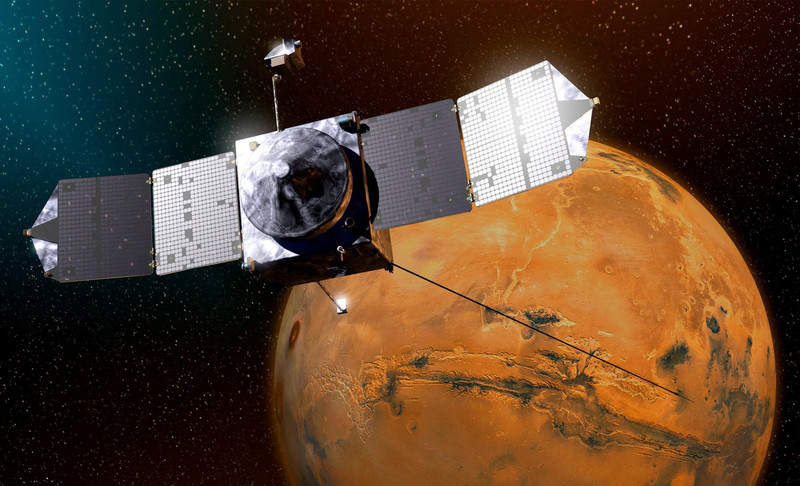
NASA's Maven Mars Orbiter Declared Out of Service After Six Months of Silence
Following an anomaly that disrupted its orbit and depleted its batteries, the Maven spacecraft, vital for understanding Mars' atmosphere, has ended its active mission. Its scientific data remains an invaluable legacy.

Windows Drops NTLM: Microsoft Boosts Security with Kerberos
Microsoft is taking a crucial step to bolster security in Windows 11, announcing the deprecation of NTLM, its oldest authentication protocol, in favor of Kerberos.
Comments (0)
No comments yet. Be the first!
Leave a comment