
Google replaces apps with intelligent agents in its tech stack
At Cloud Next 2026, Google announced retiring Vertex AI and launching Gemini Enterprise Agent Platform, reshaping AI and automation strategies.
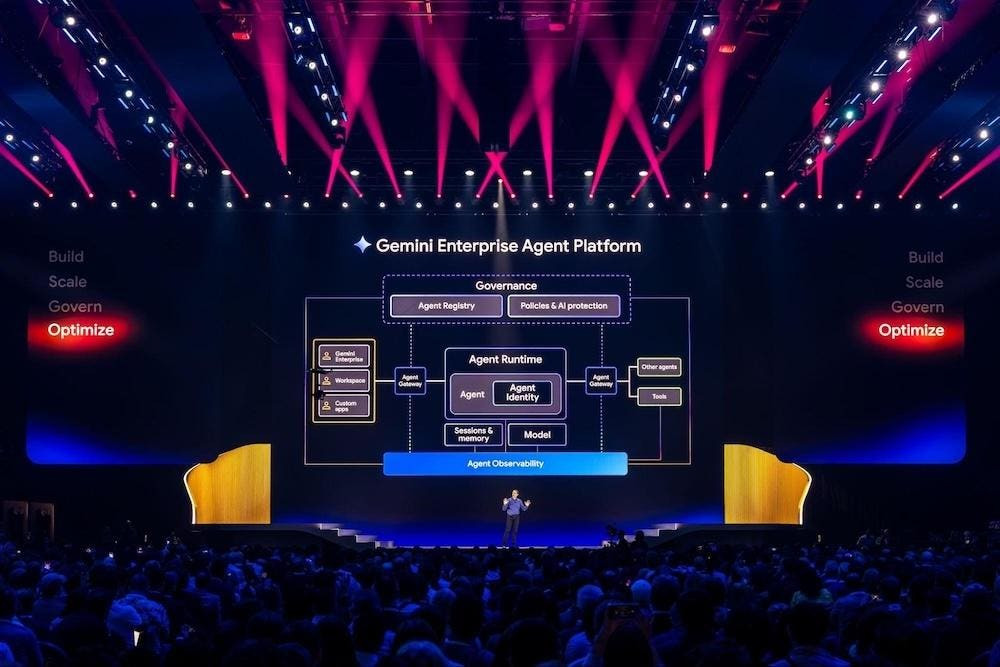
Google revealed at Cloud Next 2026 that it will phase out Vertex AI, its existing artificial intelligence platform. Instead, the company is focusing on a new approach centered around intelligent agents. These agents are designed to replace traditional applications in managing and automating tasks, offering greater scalability and control. Google introduced the Gemini Enterprise Agent Platform, aiming to revolutionize how organizations build, scale, govern, and optimize their technology stacks.
This shift reflects Google's commitment to advancing generative AI and intelligent automation in enterprise environments. The new platform aims to integrate different parts of the tech stack, enabling seamless interaction between humans and autonomous, adaptive agents. The tech community is watching closely to see how this strategy impacts efficiency and innovation in IT solutions.
According to Google, Gemini is built to be flexible and secure, allowing organizations to customize their agents based on specific needs. Its integration with other Google Cloud services will facilitate real-time management and monitoring. Moving toward intelligent agents marks a significant step in the evolution of tech infrastructure, emphasizing advanced AI and smart automation.
This move also suggests that traditional applications, which once required constant human intervention, will be replaced by agents that learn and adapt continuously. Developers and companies will need to adapt and explore new ways to leverage AI in their daily operations.
Article topics
Related articles
Google Launches Gemma 4 12B: Local AI for Your Laptop with 16GB RAM
Google's new artificial intelligence model aims to democratize access to generative AI, allowing it to run on average consumer computers.

Nvidia Challenges Intel and AMD with RTX Spark Superchip for PCs
Nvidia introduced RTX Spark, a processor promising to bring advanced artificial intelligence directly to your PC, without cloud dependence, and boost gaming to unprecedented levels on conventional machines.

Anthropic's Claude Opus 4.8 boosts "honesty" and reduces code flaws
Anthropic's new AI model, Claude Opus 4.8, launches this Thursday with a focus on transparency and error reduction, giving users more control over computational effort.
Latest news
View all
Stuntman Hollywood: Returns After 19 Years to PS5, Xbox Series, and PC
The iconic action and vehicular stunt franchise makes its comeback courtesy of Saber Interactive, promising a dose of nostalgia and adrenaline for the new generation.
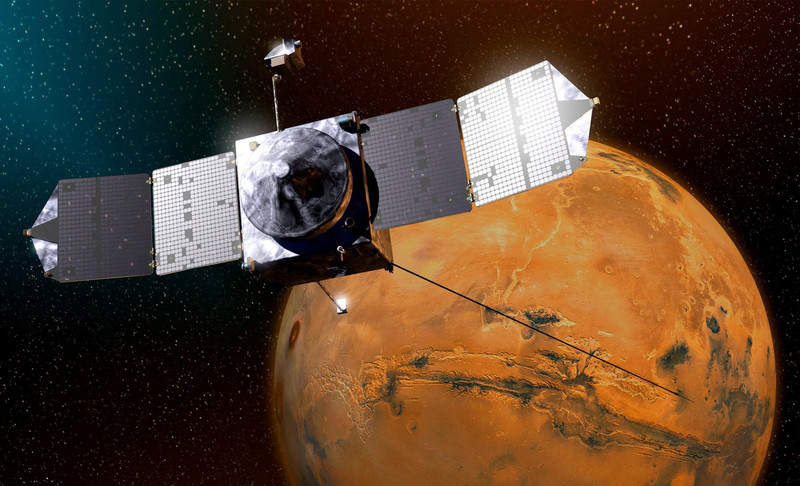
NASA's Maven Mars Orbiter Declared Out of Service After Six Months of Silence
Following an anomaly that disrupted its orbit and depleted its batteries, the Maven spacecraft, vital for understanding Mars' atmosphere, has ended its active mission. Its scientific data remains an invaluable legacy.

Windows Drops NTLM: Microsoft Boosts Security with Kerberos
Microsoft is taking a crucial step to bolster security in Windows 11, announcing the deprecation of NTLM, its oldest authentication protocol, in favor of Kerberos.
Comments (0)
No comments yet. Be the first!
Leave a comment