
Google and SpaceX plan to bring data centers to space for AI development
The two companies are negotiating to launch servers into orbit, aiming to boost AI progress and cut energy costs, with deployment expected in 2027.
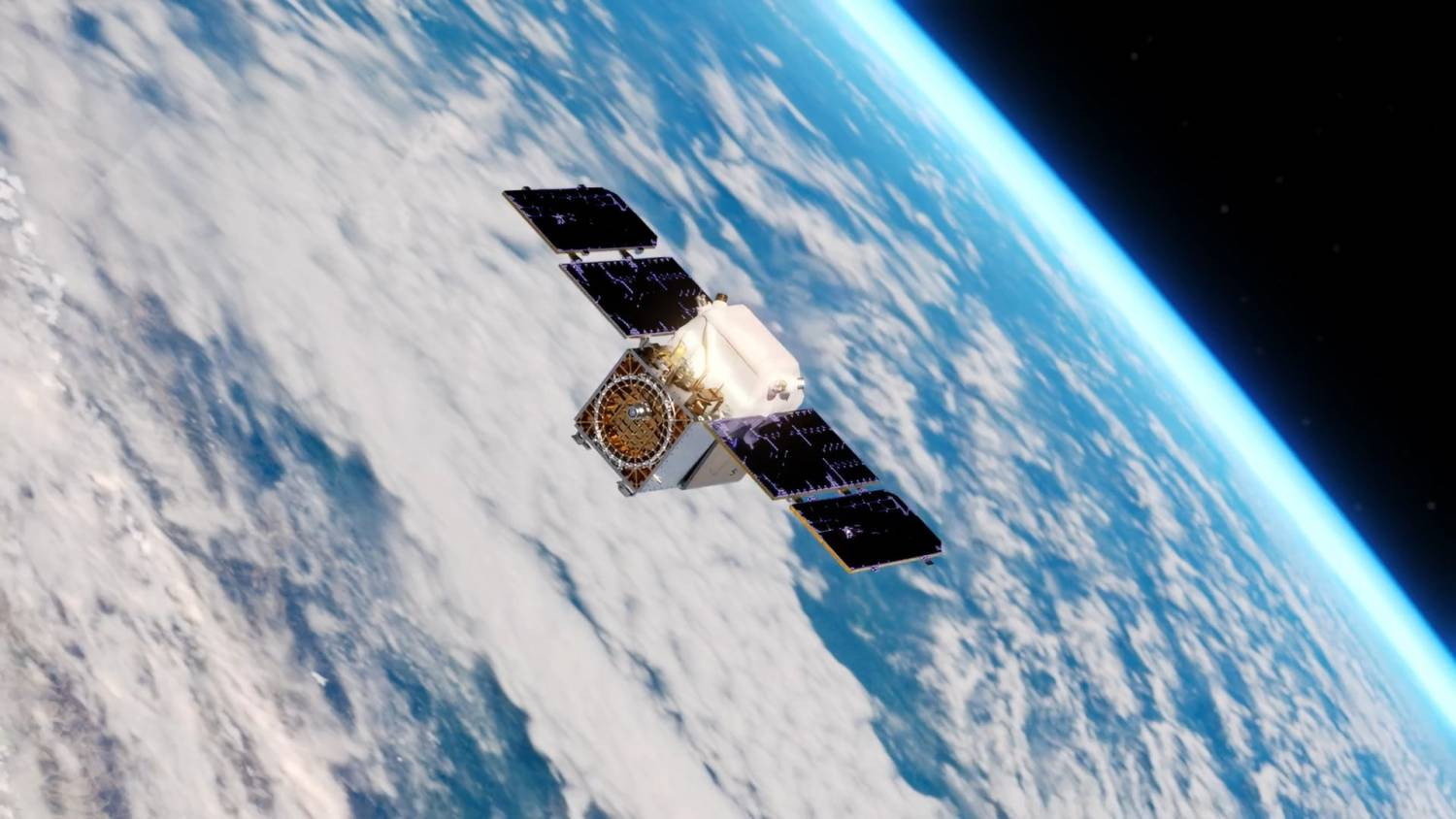
Google aims to place data centers in space, with SpaceX potentially assisting in this effort. Reports indicate that both companies are already in talks to launch servers into orbit, which could accelerate AI development. If confirmed, the first centers might be operational as soon as 2027.
According to _[The Wall Street Journal](https://www.wsj.com/tech/spacex-google-in-talks-to-explore-data-centers-in-orbit-7b7799e2?st=rZ33r4&reflink=desktopwebshare_permalink)_, Google is negotiating with SpaceX to launch computing infrastructure into space. The tech giant is developing Project Suncatcher, which aims to deploy prototype satellites before that year.
Google CEO Sundar Pichai explained in an interview that the plan is to send racks of servers to satellites, test them, and then scale up. The strategy leverages solar energy to power a constellation of satellites equipped with TPU Trillium chips, making space-based computing an attractive option.
Negotiations with SpaceX are not exclusive, as Google is also talking to other launch partners. The goal is to reduce satellite launch costs, which currently range between 1,500 and 2,000 dollars per kilogram, with hopes of lowering it to around 200 dollars soon.
With rockets like Starship and advanced reuse, costs could drop to about 60 dollars per kilogram, making large-scale deployment feasible. SpaceX has also filed a request to launch up to a million satellites dedicated to orbital computing, aligning with its vision for space infrastructure.
The main advantage is energy efficiency. Terrestrial data centers require vast land and constant electricity, resources that are becoming scarce. Satellites powered by solar panels would cut environmental impact and bypass many current limitations.
Google detailed in a scientific publication that its space data centers will communicate via short-range optical links, reaching up to 10 Tbps per connection. Maintaining this bandwidth will require AI systems to prevent collisions in tightly packed satellite formations, a challenge not yet proven at large scale in space.
Experts have raised doubts about the practicality of operating and maintaining space-based computing infrastructure. Managing formations, dissipating heat in vacuum, and ensuring stability in space are significant hurdles. Still, this concept opens new possibilities for reducing costs and improving data processing sustainability.
Overall, Google and SpaceX are pushing forward with a futuristic vision that could reshape AI infrastructure, with concrete plans to deploy these centers in the coming years and explore new frontiers in orbital computing.
Article topics
Related articles
Google Launches Gemma 4 12B: Local AI for Your Laptop with 16GB RAM
Google's new artificial intelligence model aims to democratize access to generative AI, allowing it to run on average consumer computers.
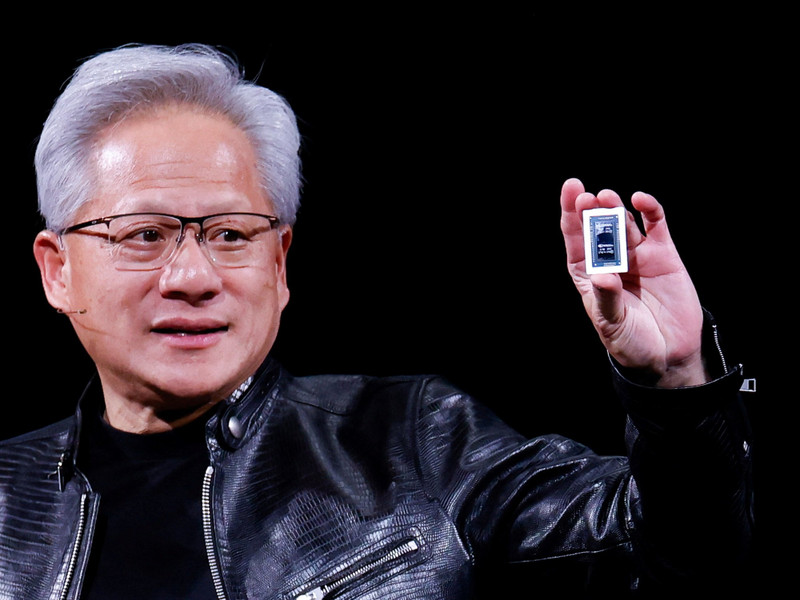
Nvidia Challenges Intel and AMD with RTX Spark Superchip for PCs
Nvidia introduced RTX Spark, a processor promising to bring advanced artificial intelligence directly to your PC, without cloud dependence, and boost gaming to unprecedented levels on conventional machines.

Anthropic's Claude Opus 4.8 boosts "honesty" and reduces code flaws
Anthropic's new AI model, Claude Opus 4.8, launches this Thursday with a focus on transparency and error reduction, giving users more control over computational effort.
Latest news
View all
Stuntman Hollywood: Returns After 19 Years to PS5, Xbox Series, and PC
The iconic action and vehicular stunt franchise makes its comeback courtesy of Saber Interactive, promising a dose of nostalgia and adrenaline for the new generation.
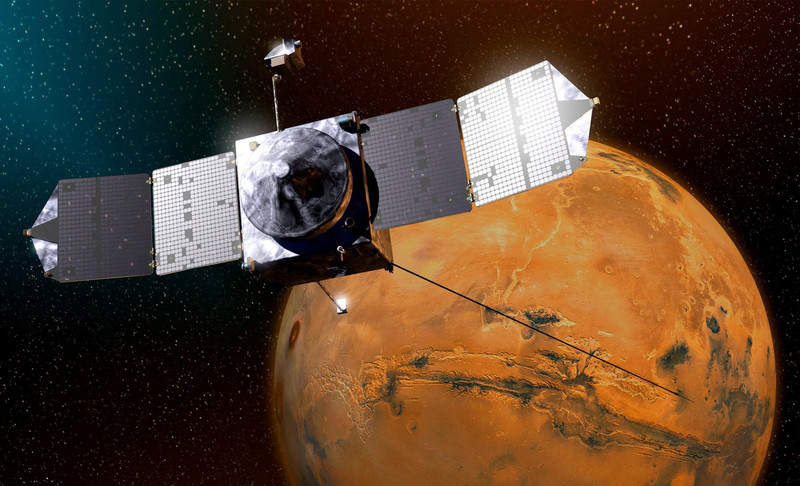
NASA's Maven Mars Orbiter Declared Out of Service After Six Months of Silence
Following an anomaly that disrupted its orbit and depleted its batteries, the Maven spacecraft, vital for understanding Mars' atmosphere, has ended its active mission. Its scientific data remains an invaluable legacy.

Windows Drops NTLM: Microsoft Boosts Security with Kerberos
Microsoft is taking a crucial step to bolster security in Windows 11, announcing the deprecation of NTLM, its oldest authentication protocol, in favor of Kerberos.
Comments (0)
No comments yet. Be the first!
Leave a comment