
Google Advances Robotics with Gemini Robotics-ER 1.6 for Autonomous Robots
This new AI model enables machines to understand, plan, and act in complex physical environments, moving beyond programmed instructions.
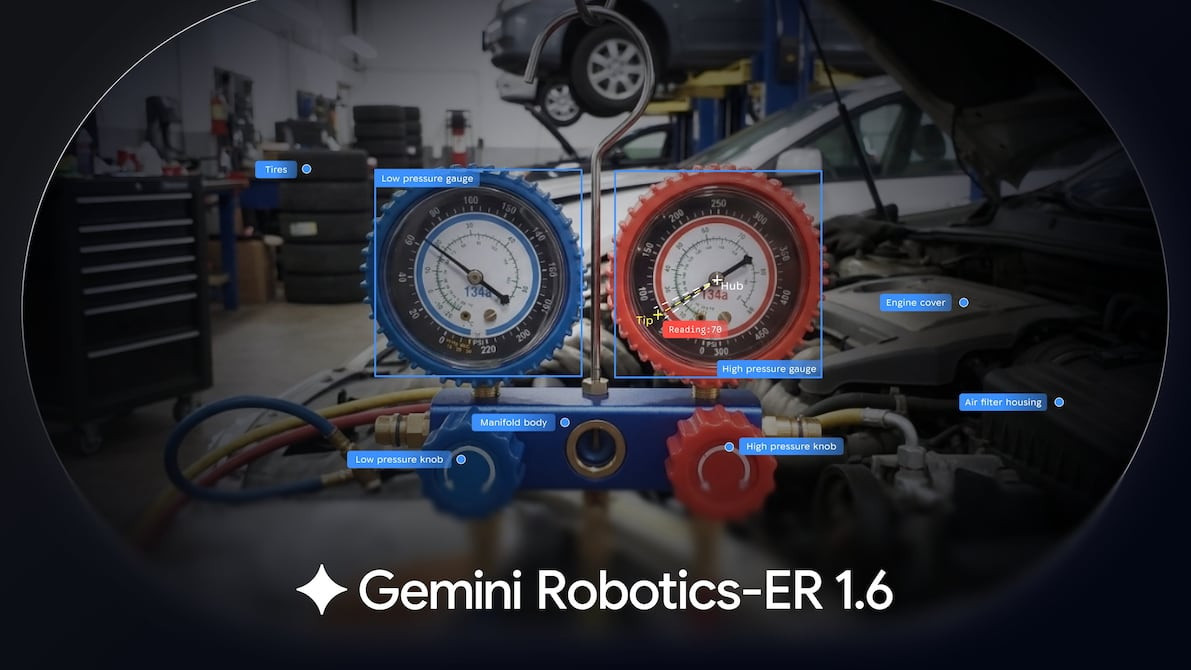
Google made a significant leap in robotics with the introduction of Gemini Robotics-ER 1.6. This artificial intelligence model provides robots with a deeper, more autonomous understanding of the physical world. It addresses a historical challenge: reasoning beyond simple programmed instructions. This allows machines to interpret, plan, and execute tasks in dynamic, complex environments.
Unlike previous generations of robotic AI that merely executed commands, Gemini Robotics-ER 1.6 introduces "embodied reasoning." This concept is crucial for robotic autonomy. Gemini Robotics-ER 1.6 introduces "embodied reasoning," allowing robots to interpret, plan, and execute complex tasks. The model processes data from multiple cameras and contexts. This enhances spatial understanding and the ability to act in constantly changing conditions.
Gemini Robotics-ER 1.6 introduces "embodied reasoning," allowing robots to interpret, plan, and execute complex tasks.
Among its advancements, the system allows robots to identify objects, count them, and understand their relationships. This capability facilitates breaking down complex tasks into smaller, more manageable steps. It also incorporates "multiview reasoning," merging images from different cameras for a comprehensive view of the environment, even with obstacles.
This integration allows the robot to form an integral image of its surroundings. It can then act effectively in unforeseen situations. The model also improves success detection, a key function in automation. Robots evaluate if an action was performed correctly and decide whether to repeat it or move to the next step, optimizing workflows and reducing errors.
A practical application is its ability to read analog and digital instruments, such as pressure gauges or screens. This feature, developed in collaboration with Boston Dynamics and their Spot robots, is highly useful for industrial inspections.
Marco da Silva, VP and General Manager of Spot at Boston Dynamics, stated: "Capabilities like instrument reading and more reliable task reasoning will enable Spot to see, understand, and react to real-world challenges in a fully autonomous way." This breakthrough marks a milestone towards truly intelligent and adaptable robots. The future of robotics is here!
Article topics
Related articles

Windows Drops NTLM: Microsoft Boosts Security with Kerberos
Microsoft is taking a crucial step to bolster security in Windows 11, announcing the deprecation of NTLM, its oldest authentication protocol, in favor of Kerberos.

Google Launches Gemma 4 12B: Local AI for Your Laptop with 16GB RAM
Google's new artificial intelligence model aims to democratize access to generative AI, allowing it to run on average consumer computers.

Nvidia Challenges Intel and AMD with RTX Spark Superchip for PCs
Nvidia introduced RTX Spark, a processor promising to bring advanced artificial intelligence directly to your PC, without cloud dependence, and boost gaming to unprecedented levels on conventional machines.
Latest news
View all
Stuntman Hollywood: Returns After 19 Years to PS5, Xbox Series, and PC
The iconic action and vehicular stunt franchise makes its comeback courtesy of Saber Interactive, promising a dose of nostalgia and adrenaline for the new generation.
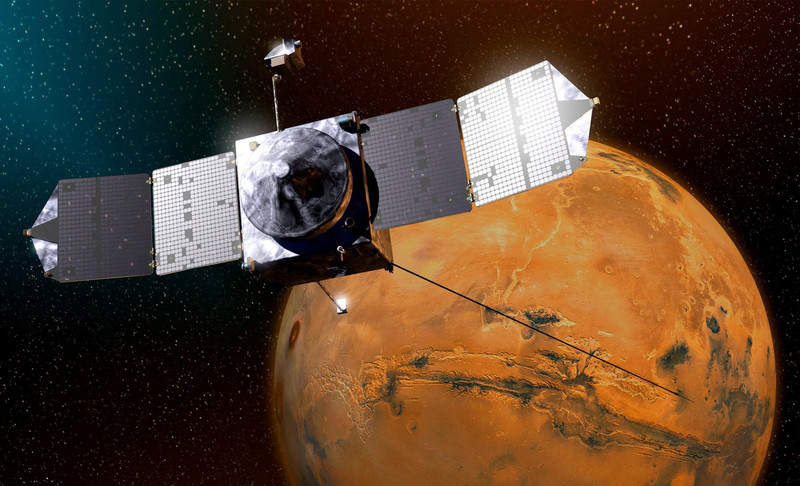
NASA's Maven Mars Orbiter Declared Out of Service After Six Months of Silence
Following an anomaly that disrupted its orbit and depleted its batteries, the Maven spacecraft, vital for understanding Mars' atmosphere, has ended its active mission. Its scientific data remains an invaluable legacy.

NASA Reveals New Path for Earth's Essential Life Elements
A recent study, published in Science Advances, uncovers how early Earth may have received phosphorus and nitrogen, highlighting Jupiter's critical role.
Comments (0)
No comments yet. Be the first!
Leave a comment