
Elon Musk to Invest $55 Billion in AI Chips and Space Data Centers
Musk announced Terafab, a Texas plant aiming to produce a terawatt of computing power annually for AI, robotics, and space data centers.
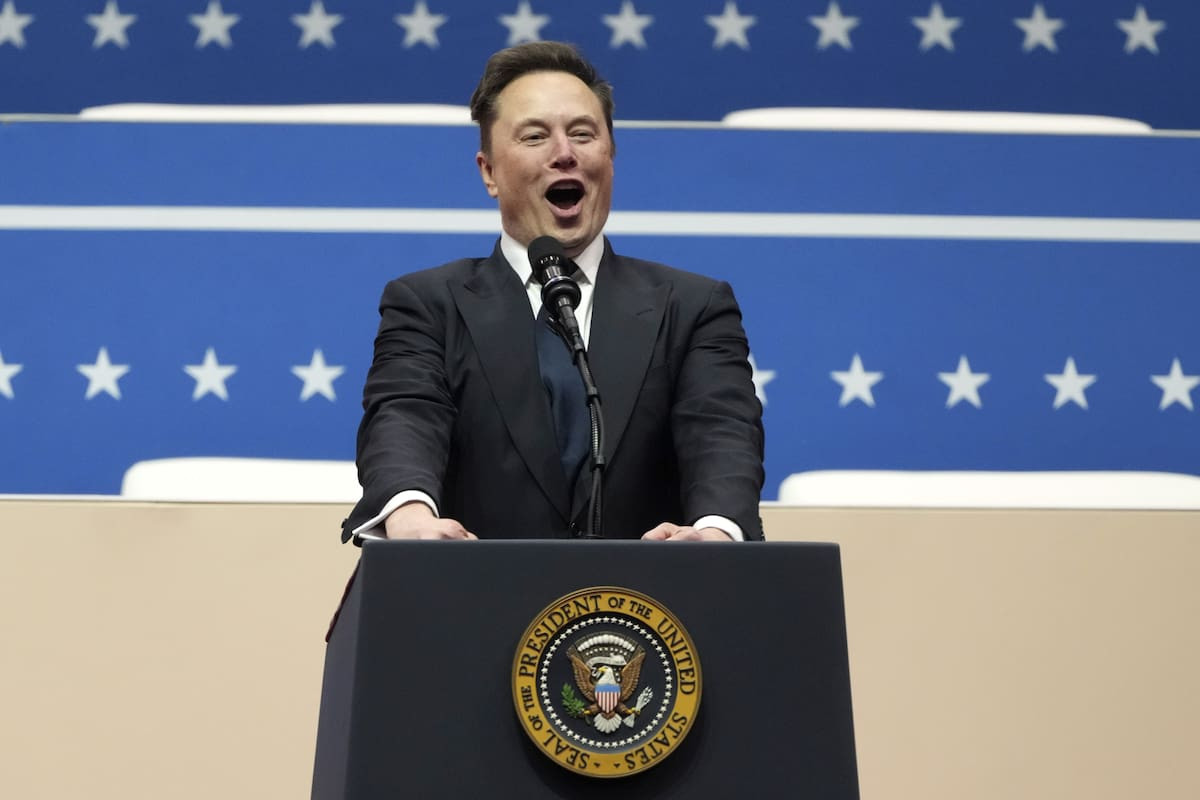
Elon Musk revealed that he will invest at least 55 billion dollars in his new project called Terafab, a chip manufacturing plant for artificial intelligence, robotics, and space data centers in Texas. The plant will be located near Gibbons Creek reservoir, an artificial lake created in the 1980s to cool a power plant.
This announcement was published on the Grimes County website, detailing an estimated total investment of around 119 billion dollars. Musk explained that the facility aims to produce one terawatt of computing power per year, equivalent to one trillion watts, to meet the growing demand from Tesla and SpaceX, which will surpass global chip suppliers.
Back in March, Musk mentioned that Terafab would be crucial for supporting the computing needs of his companies. In the long term, the factory aims to produce chips capable of supporting between 100 and 200 gigawatts of computing power on Earth and one terawatt in space.
The project will initially be developed by SpaceX, although Musk also linked Tesla to the plan. The initial phase involves an investment of 55 billion dollars, amid a context of rapidly increasing demand for AI chips and data centers in the space and electric vehicle sectors.
This move reflects Musk's strategy to strengthen the technological infrastructure of his companies. As global demand for AI chips and data centers grows, competition for computing power intensifies in the space and automotive industries.
Terafab is expected to reduce dependency on external suppliers and foster innovation in chips capable of handling increasingly demanding workloads, both on Earth and in space, with an investment set to mark a milestone in semiconductor manufacturing for AI.
Article topics
Related articles

Google Launches Gemma 4 12B: Local AI for Your Laptop with 16GB RAM
Google's new artificial intelligence model aims to democratize access to generative AI, allowing it to run on average consumer computers.

Nvidia Challenges Intel and AMD with RTX Spark Superchip for PCs
Nvidia introduced RTX Spark, a processor promising to bring advanced artificial intelligence directly to your PC, without cloud dependence, and boost gaming to unprecedented levels on conventional machines.

Anthropic's Claude Opus 4.8 boosts "honesty" and reduces code flaws
Anthropic's new AI model, Claude Opus 4.8, launches this Thursday with a focus on transparency and error reduction, giving users more control over computational effort.
Latest news
View all
Stuntman Hollywood: Returns After 19 Years to PS5, Xbox Series, and PC
The iconic action and vehicular stunt franchise makes its comeback courtesy of Saber Interactive, promising a dose of nostalgia and adrenaline for the new generation.
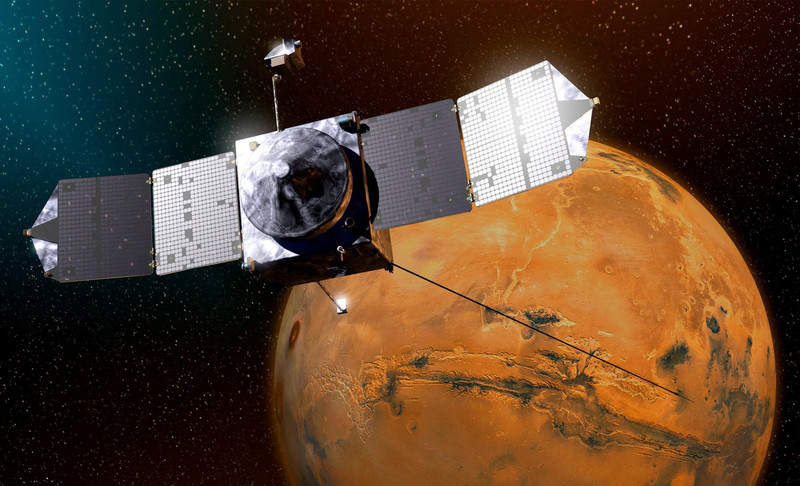
NASA's Maven Mars Orbiter Declared Out of Service After Six Months of Silence
Following an anomaly that disrupted its orbit and depleted its batteries, the Maven spacecraft, vital for understanding Mars' atmosphere, has ended its active mission. Its scientific data remains an invaluable legacy.

Windows Drops NTLM: Microsoft Boosts Security with Kerberos
Microsoft is taking a crucial step to bolster security in Windows 11, announcing the deprecation of NTLM, its oldest authentication protocol, in favor of Kerberos.
Comments (0)
No comments yet. Be the first!
Leave a comment