
Elon Musk Sues OpenAI Over Breach of Foundational Principles
The trial between the tech mogul and the AI company enters its crucial phase with jury deliberations. The core issue is whether OpenAI has strayed from its original mission and if Musk is entitled to a stake in its value.
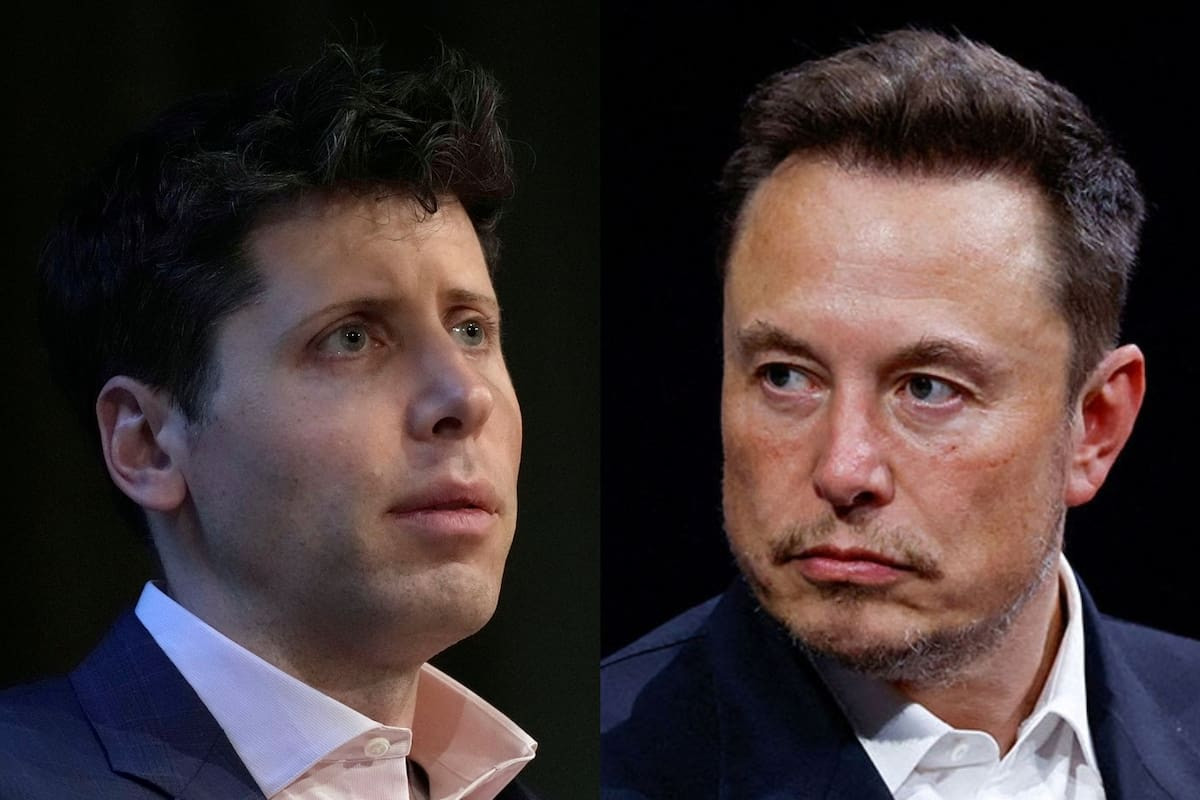
The future of OpenAI and the interpretation of its origins now rest with a jury that has begun deliberations in a trial pitting the artificial intelligence company against its co-founder, Elon Musk. The legal dispute centers on whether OpenAI has betrayed its founding principles as a non-profit entity dedicated to the benefit of humanity, and if Musk is entitled to a stake in the company he helped create.
Musk, who departed OpenAI in 2018, alleges that the company, now heavily backed by Microsoft, has strayed from its original mission. He contends that his initial $38 million investment was used to build a company valued in the billions, without him receiving fair compensation or retaining the promised influence. OpenAI's defense, conversely, argues that Musk sought disproportionate control and that the company's evolution was necessary for its survival and technological advancement.
OpenAI's lawyer, Sarah Eddy, has been forceful in her defense, even questioning the veracity of Musk's testimony and referencing Shivon Zilis, mother of four of Musk's children and a former collaborator, who testified about her role as an intermediary. Zilis, who also served on OpenAI's board of directors, could be key in determining if Musk was aware of the company's direction much earlier than he claims.
OpenAI's lawyer, Sarah Eddy, counterattacked by targeting Musk. “Not even the mother of his children can back his version,” she said.
The jury must first determine if Musk's lawsuit, filed in 2024, was brought within the legal timeframe. If the judge deems the case to be outside these limits, it could conclude at this point. Otherwise, they will delve into the allegations of misappropriation of funds and breach of promises, evaluating whether OpenAI and Microsoft facilitated the abandonment of the non-profit model.
During the trial, Musk presented himself as a selfless benefactor, a “good Samaritan” concerned about humanity's future in the face of potentially dangerous AI. He stated that he provided the initial funding, the name, and recruited key personnel to found OpenAI in 2015, lamenting being “an idiot” for investing $38 million for what he considers an insignificant stake in an $800 billion company.
Sam Altman, CEO of OpenAI, offered a different perspective. When asked if he had always told the truth, he responded cautiously: “I’m sure there have been moments in my life when I haven’t.” However, he emphasized that in 2017, Musk demanded 90% of the shares and refused to commit in writing, which Altman considered unacceptable, arguing that general artificial intelligence should not be under the control of a single person.
Greg Brockman, OpenAI's president and co-founder, meticulously documented the proceedings in his yellow notebooks. These diaries revealed passages where Brockman expressed a desire to “make money” and turn OpenAI into a “for-profit company without” Musk's presence, and even the idea of “stealing the foundation” from Musk. Brockman defended his notes, stating they do not reflect shame and do not include details of a 2017 incident where he felt Musk might have physically assaulted him.
The figure of Shivon Zilis emerges as a crucial element. Her testimony, though brief and at times sarcastic, could tip the scales. If it is proven that Musk, widely informed by Zilis, was aware of the commercial direction OpenAI would take long before 2023, his lawsuit could be dismissed. The jury's deliberation will determine whether OpenAI's original vision prevails or if commercial drive has triumphed.
Article topics
Related articles
Google Launches Gemma 4 12B: Local AI for Your Laptop with 16GB RAM
Google's new artificial intelligence model aims to democratize access to generative AI, allowing it to run on average consumer computers.
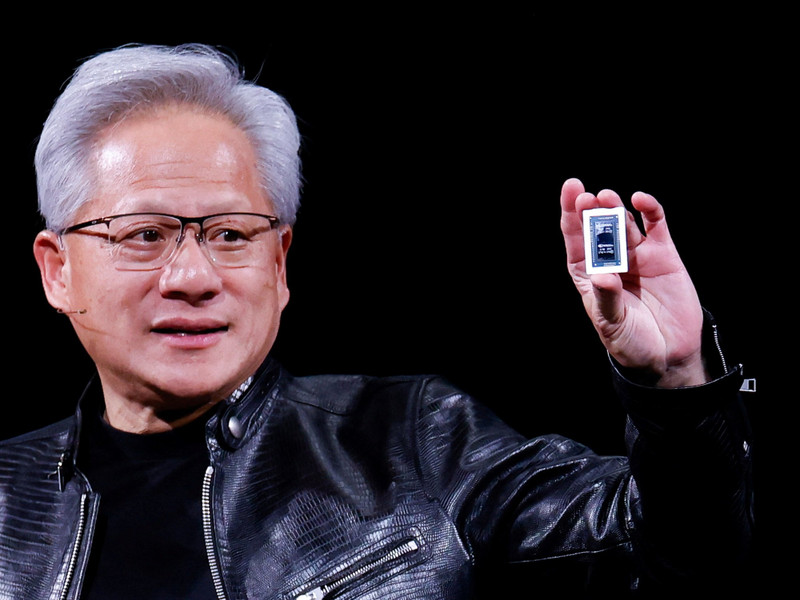
Nvidia Challenges Intel and AMD with RTX Spark Superchip for PCs
Nvidia introduced RTX Spark, a processor promising to bring advanced artificial intelligence directly to your PC, without cloud dependence, and boost gaming to unprecedented levels on conventional machines.

Anthropic's Claude Opus 4.8 boosts "honesty" and reduces code flaws
Anthropic's new AI model, Claude Opus 4.8, launches this Thursday with a focus on transparency and error reduction, giving users more control over computational effort.
Latest news
View all
Stuntman Hollywood: Returns After 19 Years to PS5, Xbox Series, and PC
The iconic action and vehicular stunt franchise makes its comeback courtesy of Saber Interactive, promising a dose of nostalgia and adrenaline for the new generation.
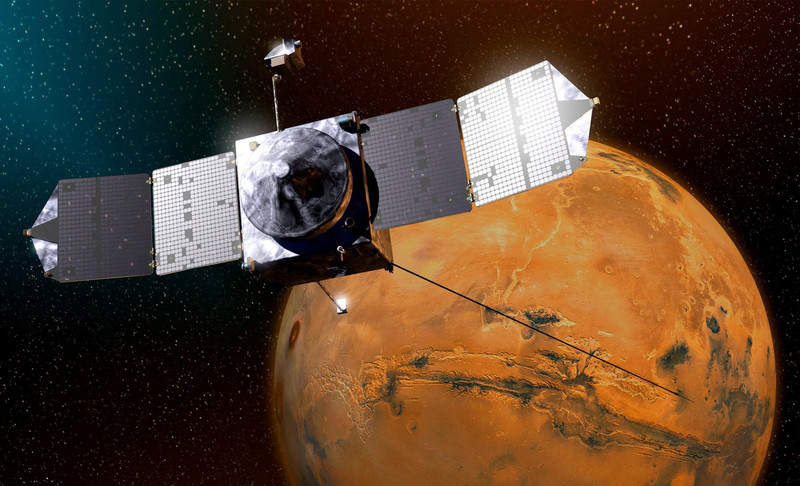
NASA's Maven Mars Orbiter Declared Out of Service After Six Months of Silence
Following an anomaly that disrupted its orbit and depleted its batteries, the Maven spacecraft, vital for understanding Mars' atmosphere, has ended its active mission. Its scientific data remains an invaluable legacy.

Windows Drops NTLM: Microsoft Boosts Security with Kerberos
Microsoft is taking a crucial step to bolster security in Windows 11, announcing the deprecation of NTLM, its oldest authentication protocol, in favor of Kerberos.
Comments (0)
No comments yet. Be the first!
Leave a comment