
Dead Space Creator Glen Schofield Discusses AI's Role in Gaming Development
Renowned developer Glen Schofield, known for "Dead Space," recently shared his insights on Artificial Intelligence in the video game industry. His perspective balances AI's innovative potential with its practical challenges.
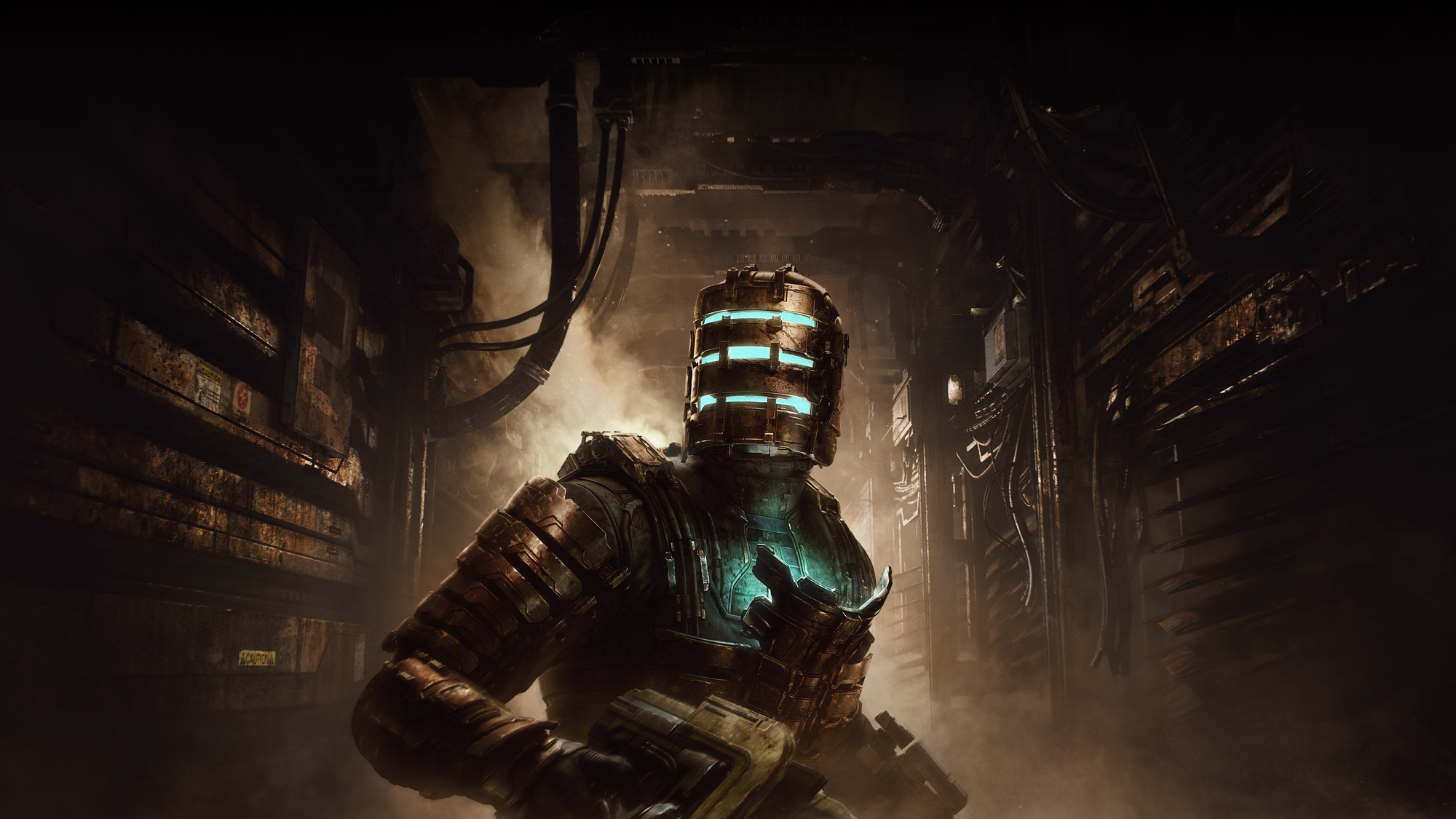
Glen Schofield, the visionary mind behind acclaimed titles like "Dead Space" and "The Callisto Protocol," recently offered his valuable perspective on Artificial Intelligence in video game development. In an interview with GameIndustry, Schofield addressed the growing debate surrounding AI and its impact on creating interactive experiences, highlighting both its promises and its limitations.
Artificial Intelligence currently stands as a tool of immense potential, capable of streamlining processes and reducing production costs. However, its advancement also sparks intense ethical and moral debate, particularly concerning the potential displacement of human jobs. In this dichotomy, the opinion of an industry veteran like Schofield is crucial for understanding the sector's future direction.
Schofield remains skeptical about the notion that AI will enable the development of AAA games with significantly smaller teams. "I hear people say we're going to be able to make AAA games with 20 people because of AI soon," he remarked. "I want to believe that, but every time I'm working on one of my levels, I'm like, 'I need to move that pixel. I need more wires. I want two of them blue, and I want it exactly there.'" This extreme meticulousness, involving an almost obsessive attention to detail, is an intrinsic characteristic of high-quality game development.
This extreme meticulousness, involving an almost obsessive attention to detail, is an intrinsic characteristic of high-quality game development.
The developer emphasized that this pursuit of perfection extends to all aspects of creation, from code to art. "We do this day in and day out, all the time," he explained. "Now imagine that with code, art, and everything else. It's about being extremely thorough." Despite his skepticism about staff reduction, Schofield does see a great opportunity for human talent. "I wish artists would realize it's a great time to learn it," he suggested, inviting the creative community to integrate AI as a supportive tool.
Regarding the future of development, Schofield believes AI will open new horizons for creators. AI tools can accelerate character creation, improve animations, and optimize various elements. However, integrating these technologies remains a complex and demanding task. "Will tools make us more creative? In some ways, it might," he reflected. "But do you think devs will go home after four hours because AI made their job faster? No! We're going to put more stuff into the game, because we're going to have more time." This implies that saved time will be invested in enriching the player experience, not in reducing working hours.
Finally, Schofield debunked the popular belief that Artificial Intelligence will significantly lower production costs. "Do you think companies are going to give us their tools for free? No way!" he asserted with conviction. "They're going to be very expensive, and we're going to need to hire people specialized in AI to implement everything, which will also be costly." His stance is clear: AI is here to stay and offers tangible benefits, but its implementation is not without economic and technical challenges.
Article topics
Related articles

Stuntman Hollywood: Returns After 19 Years to PS5, Xbox Series, and PC
The iconic action and vehicular stunt franchise makes its comeback courtesy of Saber Interactive, promising a dose of nostalgia and adrenaline for the new generation.
Google Launches Gemma 4 12B: Local AI for Your Laptop with 16GB RAM
Google's new artificial intelligence model aims to democratize access to generative AI, allowing it to run on average consumer computers.

Nvidia Challenges Intel and AMD with RTX Spark Superchip for PCs
Nvidia introduced RTX Spark, a processor promising to bring advanced artificial intelligence directly to your PC, without cloud dependence, and boost gaming to unprecedented levels on conventional machines.
Latest news
View all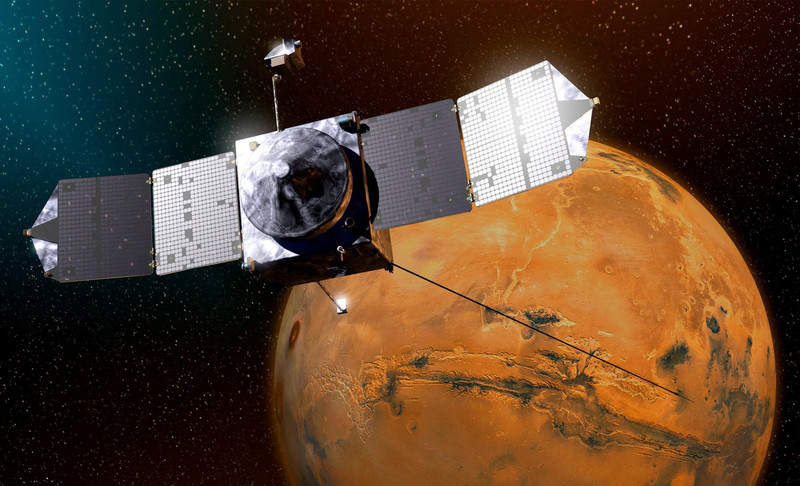
NASA's Maven Mars Orbiter Declared Out of Service After Six Months of Silence
Following an anomaly that disrupted its orbit and depleted its batteries, the Maven spacecraft, vital for understanding Mars' atmosphere, has ended its active mission. Its scientific data remains an invaluable legacy.

Windows Drops NTLM: Microsoft Boosts Security with Kerberos
Microsoft is taking a crucial step to bolster security in Windows 11, announcing the deprecation of NTLM, its oldest authentication protocol, in favor of Kerberos.

NASA Reveals New Path for Earth's Essential Life Elements
A recent study, published in Science Advances, uncovers how early Earth may have received phosphorus and nitrogen, highlighting Jupiter's critical role.
Comments (0)
No comments yet. Be the first!
Leave a comment