
China Unveils World's First Fully Energy-Autonomous Subsea Data Center: A Sustainable Revolution
China has launched the Lingang Subsea Data Center, the world's first fully energy-autonomous underwater data center, powered directly by offshore wind energy. This pioneering project simultaneously addresses digital sovereignty, carbon neutrality, and the insatiable energy demands of AI.
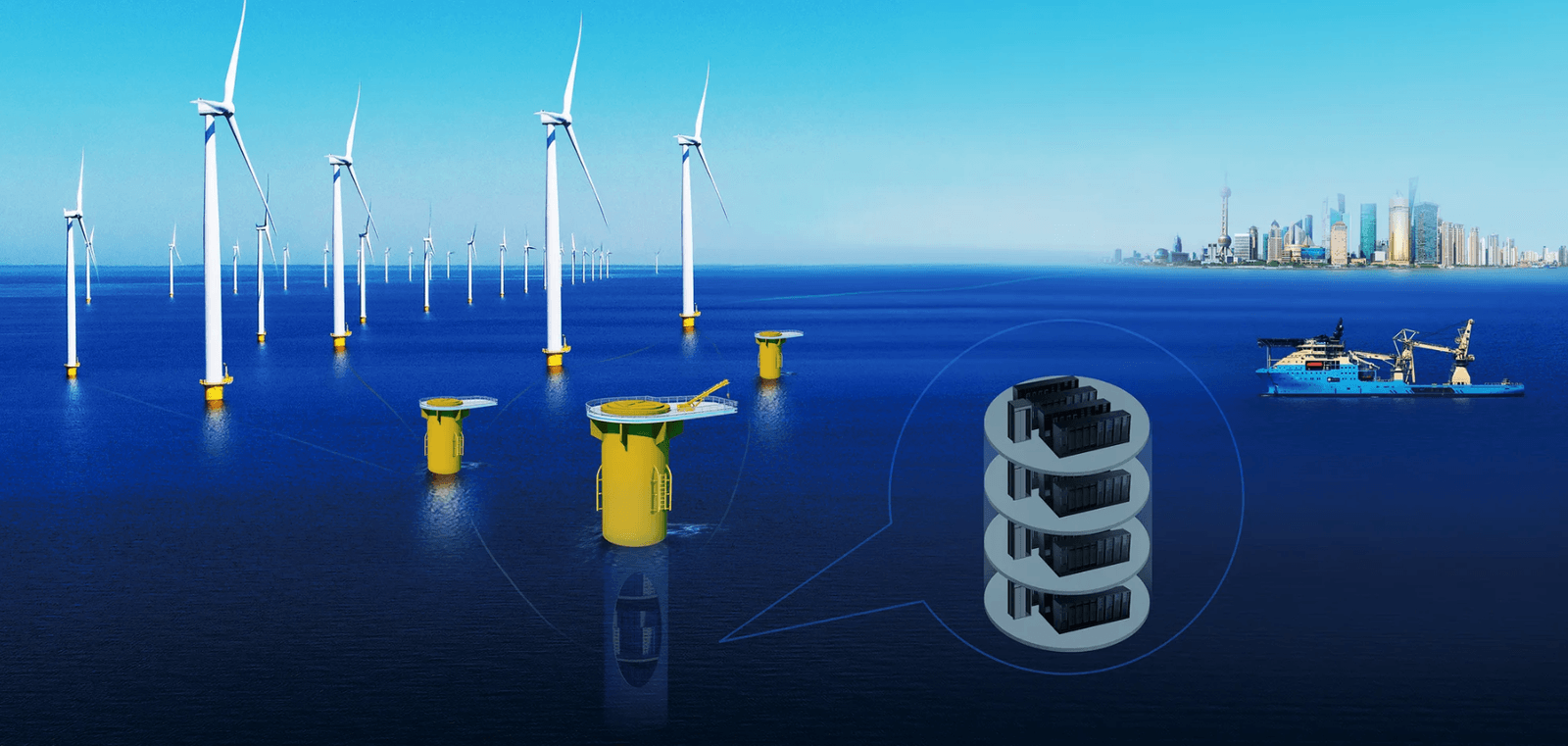
In the accelerating race for leadership in artificial intelligence (AI), robust and efficient data center infrastructure is as crucial as processing power itself. However, the engine driving this infrastructure is energy—a resource increasingly in demand and with significant environmental impact. While the United States maintains a dominant position in strategic chip manufacturing, China is making rapid strides, not only in technical capability but also in integrating innovative energy solutions. The recent inauguration of its first fully energy-autonomous subsea data center is a clear example of this ingenuity, merging technological ambition with a strategic commitment to sustainability and digital sovereignty.
A Milestone in Subsea Digital Infrastructure
The project, known as the Lingang Subsea Data Center, represents a bold move by China to redefine data infrastructure standards. Located approximately 10 kilometers off the coast of Shanghai, deep within the East China Sea, this innovative data center is a joint initiative by Shanghai Hailan Cloud Technology (HiCloud) and CCCC Third Harbor Engineering. It consists of a series of data storage and processing modules encapsulated in watertight containers, designed to operate autonomously on the seabed. What sets it apart is its power source: it receives electricity directly from offshore wind turbines via two 35 kV subsea cables, ensuring unprecedented energy independence. With a planned capacity of 24 MW in two phases, the first phase is already operational, providing 2.3 megawatts and demonstrating the viability of this disruptive technology.
Solving Structural Challenges in the Industry
The significance of the Lingang Subsea Data Center extends beyond mere technological innovation, as it simultaneously addresses several of the most pressing challenges facing the global data center industry. Firstly, the subsea location eliminates the need to occupy valuable terrestrial land, a scarce and expensive resource in densely populated megacities like Shanghai. This not only represents significant real estate savings but also allows for the installation of infrastructure closer to coastal demand centers, reducing latency and improving network efficiency. Furthermore, the ability to deploy these modules in a modular and scalable manner offers a flexibility that traditional land-based data centers cannot match.
Revolutionary Cooling and Energy Efficiency
One of the biggest structural problems this project solves is cooling. Traditional data centers heavily rely on industrial air conditioning systems that can consume between 40% and 50% of the total electricity. The Lingang Subsea Data Center leverages cold seawater as a constant and free heat sink. This natural thermal exchange eliminates the need for complex and costly cooling systems, leading to a drastic improvement in energy efficiency. The Power Usage Effectiveness (PUE) metric, which measures a data center's efficiency, averages slightly above 1.5 for standard land-based facilities. This subsea project promises to reduce it to a figure not exceeding 1.15, setting a new benchmark in the industry.
Zero Freshwater Consumption and Renewable Energy Utilization
Beyond energy efficiency, the subsea cooling solution offers a crucial environmental benefit: the elimination of freshwater consumption. Conventional data centers evaporate millions of liters of water to cool their servers, placing considerable strain on local water resources. By utilizing the ocean for thermal exchange, the Lingang data center not only conserves this vital resource but also minimizes its ecological footprint. Furthermore, its direct connection to offshore wind turbines allows it to harness surplus renewable energy, a resource that is often difficult to fully integrate into the electrical grid. This direct integration of clean, on-site energy not only ensures total energy autonomy but also positions China at the forefront of sustainable computing, significantly contributing to its carbon neutrality goals and digital sovereignty.
Future Implications and Global Leadership
The Lingang Subsea Data Center is not just a technical achievement; it is a blueprint for the future of digital infrastructure. By simultaneously solving challenges related to space, energy, cooling, and freshwater consumption, China is setting a precedent for a new generation of data centers. This holistic approach not only boosts the computing capacity needed for AI and Big Data but does so in an inherently more sustainable and resilient manner. The ability to deploy data centers on the seabed, powered by renewable energy sources, opens up a range of possibilities for the expansion of global digital infrastructure, especially in densely populated coastal regions. China, with this pioneering project, not only demonstrates its technical prowess but also solidifies its leadership in the pursuit of innovative and ecological solutions for the technological challenges of the 21st century.
Related articles

NASA Reveals New Path for Earth's Essential Life Elements
A recent study, published in Science Advances, uncovers how early Earth may have received phosphorus and nitrogen, highlighting Jupiter's critical role.
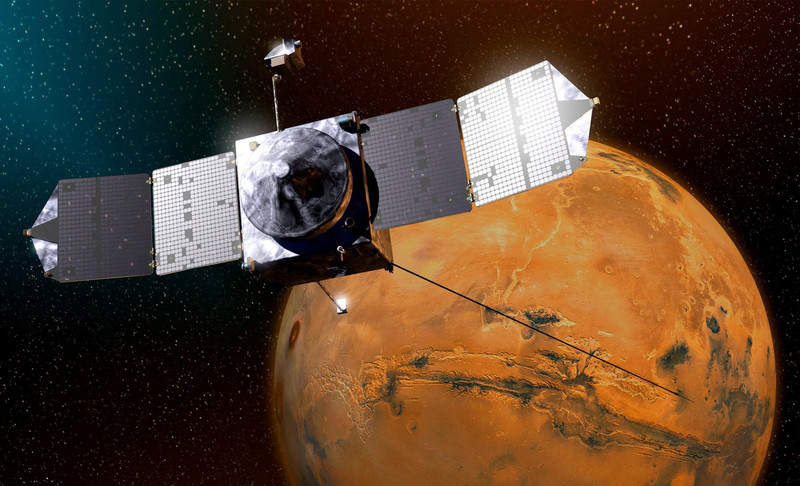
NASA's Maven Mars Orbiter Declared Out of Service After Six Months of Silence
Following an anomaly that disrupted its orbit and depleted its batteries, the Maven spacecraft, vital for understanding Mars' atmosphere, has ended its active mission. Its scientific data remains an invaluable legacy.
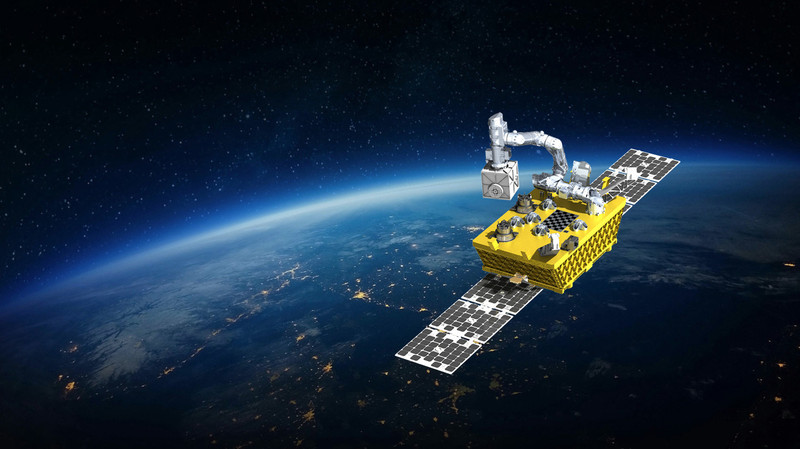
NASA Space Robotics Challenge
NASA invites U.S. researchers to submit proposals for experiments using a robotic arm that will be sent to low Earth orbit as part of the Fly Foundational Robots mission.
Latest news
View all
Stuntman Hollywood: Returns After 19 Years to PS5, Xbox Series, and PC
The iconic action and vehicular stunt franchise makes its comeback courtesy of Saber Interactive, promising a dose of nostalgia and adrenaline for the new generation.

Windows Drops NTLM: Microsoft Boosts Security with Kerberos
Microsoft is taking a crucial step to bolster security in Windows 11, announcing the deprecation of NTLM, its oldest authentication protocol, in favor of Kerberos.
Google Launches Gemma 4 12B: Local AI for Your Laptop with 16GB RAM
Google's new artificial intelligence model aims to democratize access to generative AI, allowing it to run on average consumer computers.
Comments (0)
No comments yet. Be the first!
Leave a comment