
Artemis II: NASA Astronauts Capture Earth with iPhone 17 Pro Max on Lunar Journey
NASA's Artemis II astronauts are using the iPhone 17 Pro Max to capture stunning images of Earth from their lunar journey, blending consumer technology with space exploration and the 'Shot on iPhone' campaign.
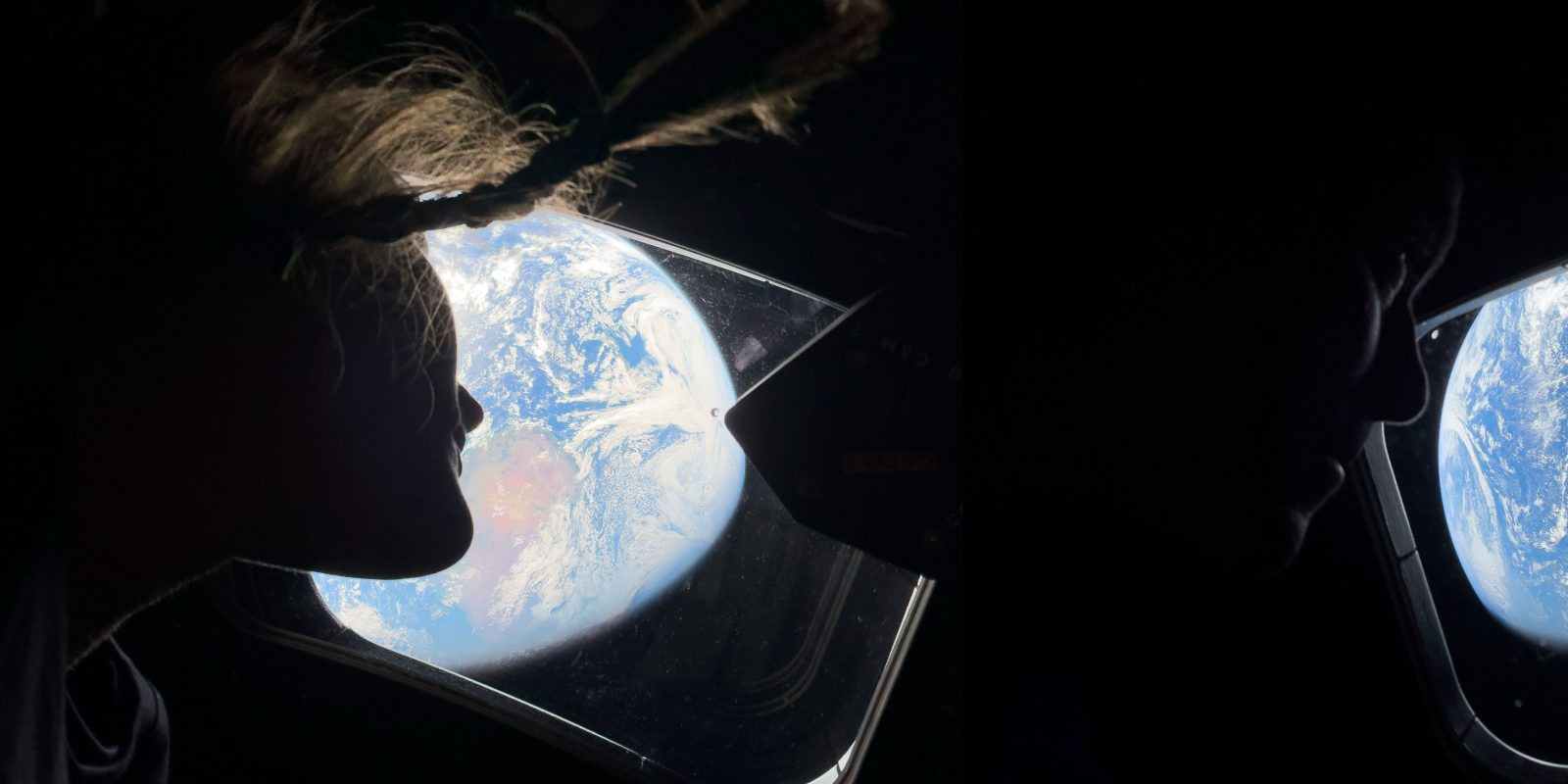
A Lunar Journey Documented with Everyday Technology
Space exploration consistently captivates public imagination, and NASA's Artemis II mission is no exception. However, adding a contemporary and surprisingly accessible twist to this epic journey is the choice of photographic tool: the iPhone 17 Pro Max. The four astronauts aboard the Orion capsule are documenting their voyage to the Moon with stunning images of our planet, a feat that not only underscores the capability of current consumer technology but also writes a new chapter in Apple's renowned "Shot on iPhone" campaign.
The Artemis II Mission: A Crucial Step Towards the Moon
The Artemis II mission represents a crucial milestone in NASA's ambitious Artemis program, which ultimately aims for humanity's return to the lunar surface and, eventually, preparation for missions to Mars. This specific mission, a crewed flight test, will take its four astronauts on a journey around the Moon, without landing, to test the Orion spacecraft's systems and flight procedures before the Artemis III lunar landing mission. It is a fundamental step to ensure the safety and success of future explorations, and the visual documentation of this journey is invaluable for both technical analysis and global inspiration.
COTS Technology in Space: The iPhone 17 Pro Max Onboard
The deployment of a commercial device like the iPhone 17 Pro Max on a space mission of this magnitude is a testament to the increasing reliability and sophistication of Commercial Off-The-Shelf (COTS) technology. Far from being a mere marketing stunt, NASA's choice of a high-end smartphone is rooted in its exceptional camera quality, intuitive interface, and robustness, making it suitable for capturing crisp details even through the windows of the Orion capsule. The ability of these devices to record high-resolution video and take photographs with impressive color fidelity makes them a practical and efficient option for documenting key aspects of the mission, from Earth seen from space to internal spacecraft operations.
"Shot on iPhone" Goes Interstellar: Impact and Outreach
The images captured by the Artemis II astronauts, three of which have already been confirmed as iPhone shots on NASA's official Flickr page, offer a unique perspective of our planet. These snapshots, showing Earth majestically floating in the darkness of space through Orion's portholes, are not only visually striking but also have a profound impact on scientific outreach. By associating a globally recognized brand like Apple with space exploration, NASA manages to connect with a broader audience, demonstrating that the technology we use daily is capable of reaching for the stars and capturing historical moments.
The Future of Space Photography and Human Connection
The integration of mobile photography into space missions is not just a novelty; it's an evolution in how we document and share humanity's adventure beyond Earth. These images serve not only as valuable data for scientists and engineers but also inspire millions worldwide, fostering interest in science, technology, engineering, and mathematics (STEM). The ease with which these photographs can be captured and shared from space opens new avenues for real-time communication and public participation in missions, making space exploration feel more immediate and personal.
Conclusion: A Milestone for Technology and Exploration
In summary, the decision by Artemis II astronauts to use the iPhone 17 Pro Max to immortalize Earth from their lunar journey is a powerful example of how consumer technological innovation can converge with the pinnacles of space exploration. These "Earth shots" are not just photographs; they are visual testimonies of a daring journey, captured with a familiar tool, reminding us of the beauty of our home and the relentless curiosity that drives humanity to look up and beyond. It's a "Shot on iPhone" campaign that transcends advertising, becoming a historical record of the next era of lunar exploration.
Related articles

NASA Reveals New Path for Earth's Essential Life Elements
A recent study, published in Science Advances, uncovers how early Earth may have received phosphorus and nitrogen, highlighting Jupiter's critical role.
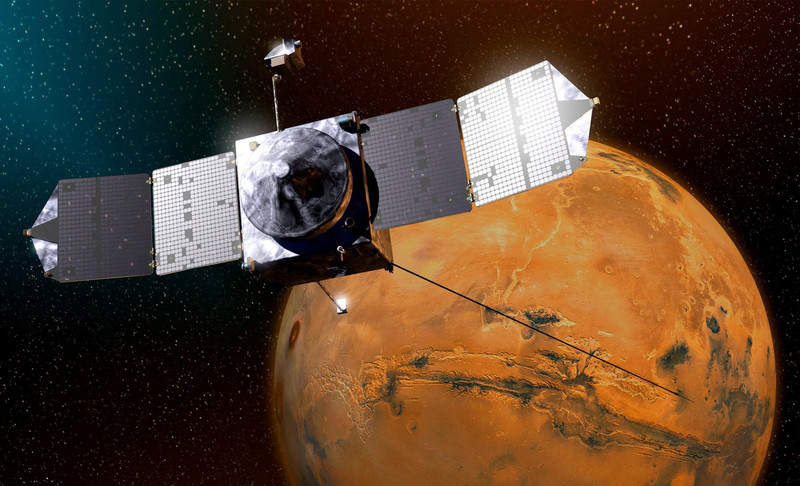
NASA's Maven Mars Orbiter Declared Out of Service After Six Months of Silence
Following an anomaly that disrupted its orbit and depleted its batteries, the Maven spacecraft, vital for understanding Mars' atmosphere, has ended its active mission. Its scientific data remains an invaluable legacy.

Windows Drops NTLM: Microsoft Boosts Security with Kerberos
Microsoft is taking a crucial step to bolster security in Windows 11, announcing the deprecation of NTLM, its oldest authentication protocol, in favor of Kerberos.
Latest news
View all
Stuntman Hollywood: Returns After 19 Years to PS5, Xbox Series, and PC
The iconic action and vehicular stunt franchise makes its comeback courtesy of Saber Interactive, promising a dose of nostalgia and adrenaline for the new generation.

Google Launches Gemma 4 12B: Local AI for Your Laptop with 16GB RAM
Google's new artificial intelligence model aims to democratize access to generative AI, allowing it to run on average consumer computers.

Nvidia Challenges Intel and AMD with RTX Spark Superchip for PCs
Nvidia introduced RTX Spark, a processor promising to bring advanced artificial intelligence directly to your PC, without cloud dependence, and boost gaming to unprecedented levels on conventional machines.
Comments (0)
No comments yet. Be the first!
Leave a comment