
Artemis II: how eight explosions ensured safe return to Earth
The Artemis II astronauts heard eight critical detonations during reentry. Each one adjusted Orion's trajectory for a safe landing back on Earth.

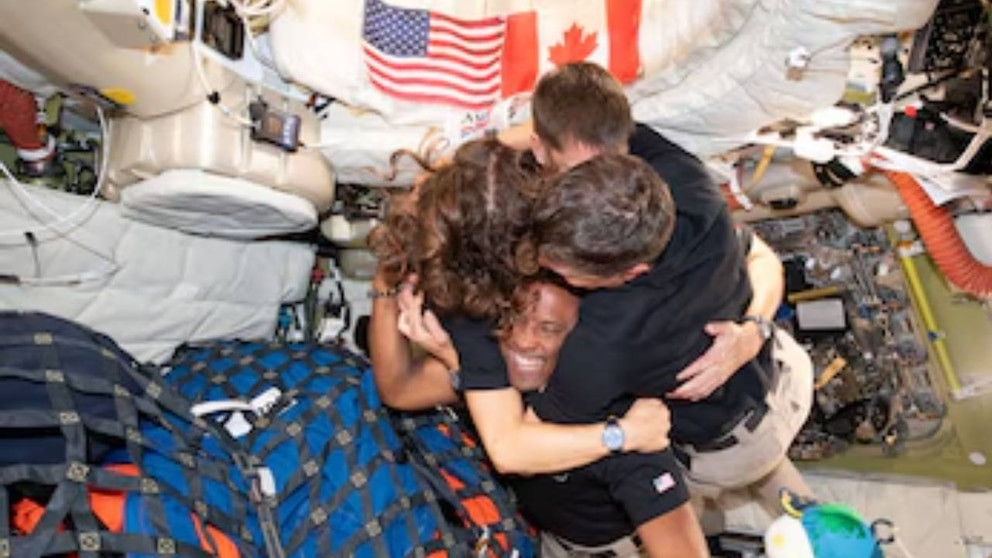
NASA's Artemis II mission ended successfully thanks to eight controlled explosions that fine-tuned the Orion capsule's trajectory during atmospheric reentry. Astronauts Reid Wiseman, Christina Koch, Victor Glover, and Jeremy Hansen completed this milestone after a lunar flyby, proving vital systems for future crewed missions.
These explosions were not accidents but precise firings of thrusters on the crew module and the European Service Module (ESM). The system, developed with the European Space Agency (ESA), triggered a sequence of impulses to correct the capsule's atmospheric entry angle. A margin of just 0.7 degrees separated success from catastrophic failure.
The ideal reentry angle was 6.2 degrees. Too steep, and the capsule would face extreme heat capable of destroying it. Too shallow, and it would bounce off the atmosphere like a stone on water. The eight impulses ensured Orion entered precisely within this narrow window.
The thrusters use liquid fuel that, when burned, expels gas at high speed. This creates thrust in the opposite direction, according to Newton's third law. The main AJ10 engine handles large maneuvers, while smaller reaction control system (RCS) thrusters make fine adjustments like those in Artemis II.
Inside Orion, astronauts heard the impulses as sharp knocks on the hull. "That was incredible," said Christina Koch. "That was good. Everything is fine. Pressure is correct," added Victor Glover. The sound was the physical confirmation that systems were working as planned.
The sound was the physical confirmation that systems were working as planned.
The mission launched from Kennedy Space Center in Florida using the Space Launch System (SLS) rocket. Its path followed a free-return trajectory, using lunar and Earth gravity. But without those eight impulses, a safe return would not have been possible.
Article topics
Related articles
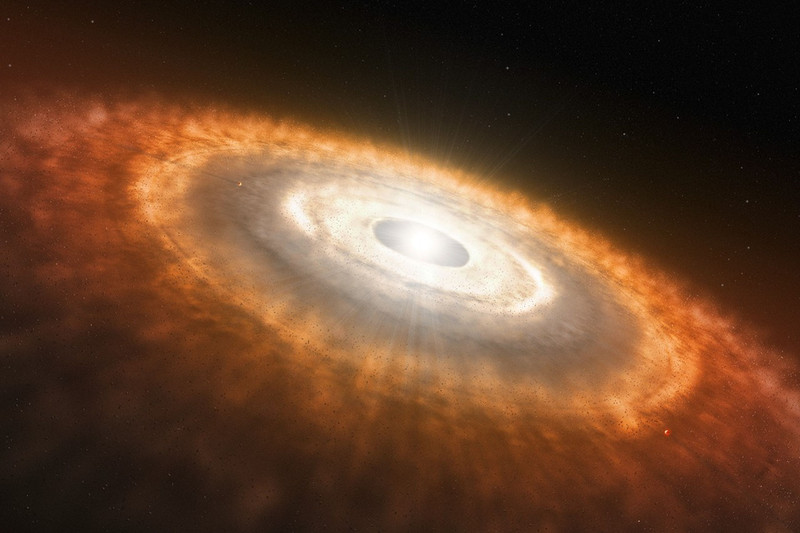
NASA Reveals New Path for Earth's Essential Life Elements
A recent study, published in Science Advances, uncovers how early Earth may have received phosphorus and nitrogen, highlighting Jupiter's critical role.
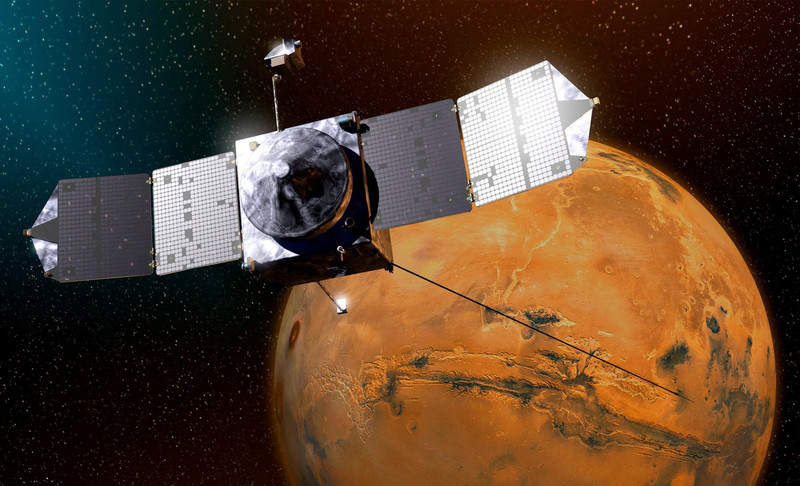
NASA's Maven Mars Orbiter Declared Out of Service After Six Months of Silence
Following an anomaly that disrupted its orbit and depleted its batteries, the Maven spacecraft, vital for understanding Mars' atmosphere, has ended its active mission. Its scientific data remains an invaluable legacy.
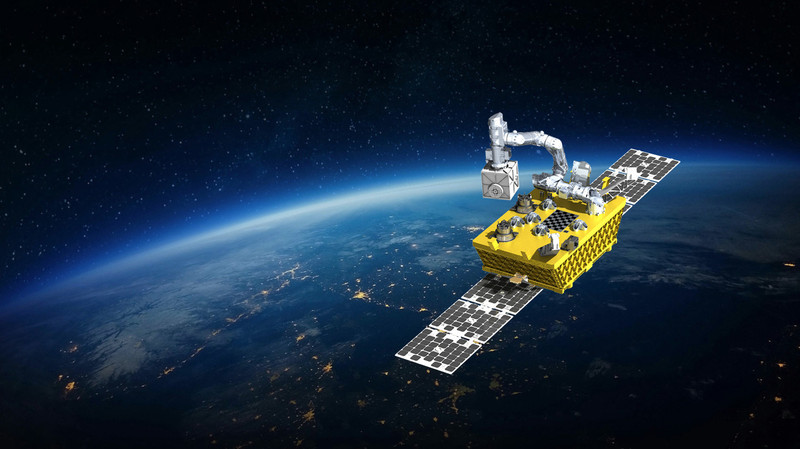
NASA Space Robotics Challenge
NASA invites U.S. researchers to submit proposals for experiments using a robotic arm that will be sent to low Earth orbit as part of the Fly Foundational Robots mission.
Latest news
View all
Stuntman Hollywood: Returns After 19 Years to PS5, Xbox Series, and PC
The iconic action and vehicular stunt franchise makes its comeback courtesy of Saber Interactive, promising a dose of nostalgia and adrenaline for the new generation.

Windows Drops NTLM: Microsoft Boosts Security with Kerberos
Microsoft is taking a crucial step to bolster security in Windows 11, announcing the deprecation of NTLM, its oldest authentication protocol, in favor of Kerberos.

Google Launches Gemma 4 12B: Local AI for Your Laptop with 16GB RAM
Google's new artificial intelligence model aims to democratize access to generative AI, allowing it to run on average consumer computers.
Comments (0)
No comments yet. Be the first!
Leave a comment