
Artemis II: Historic Pacific Splashdown After Breaking Deep Space Records
The Artemis II mission concludes its epic ten-day journey with the Orion capsule's splashdown in the Pacific Ocean, marking a milestone by returning humans to lunar orbit and setting a new distance record for crewed spacecraft.
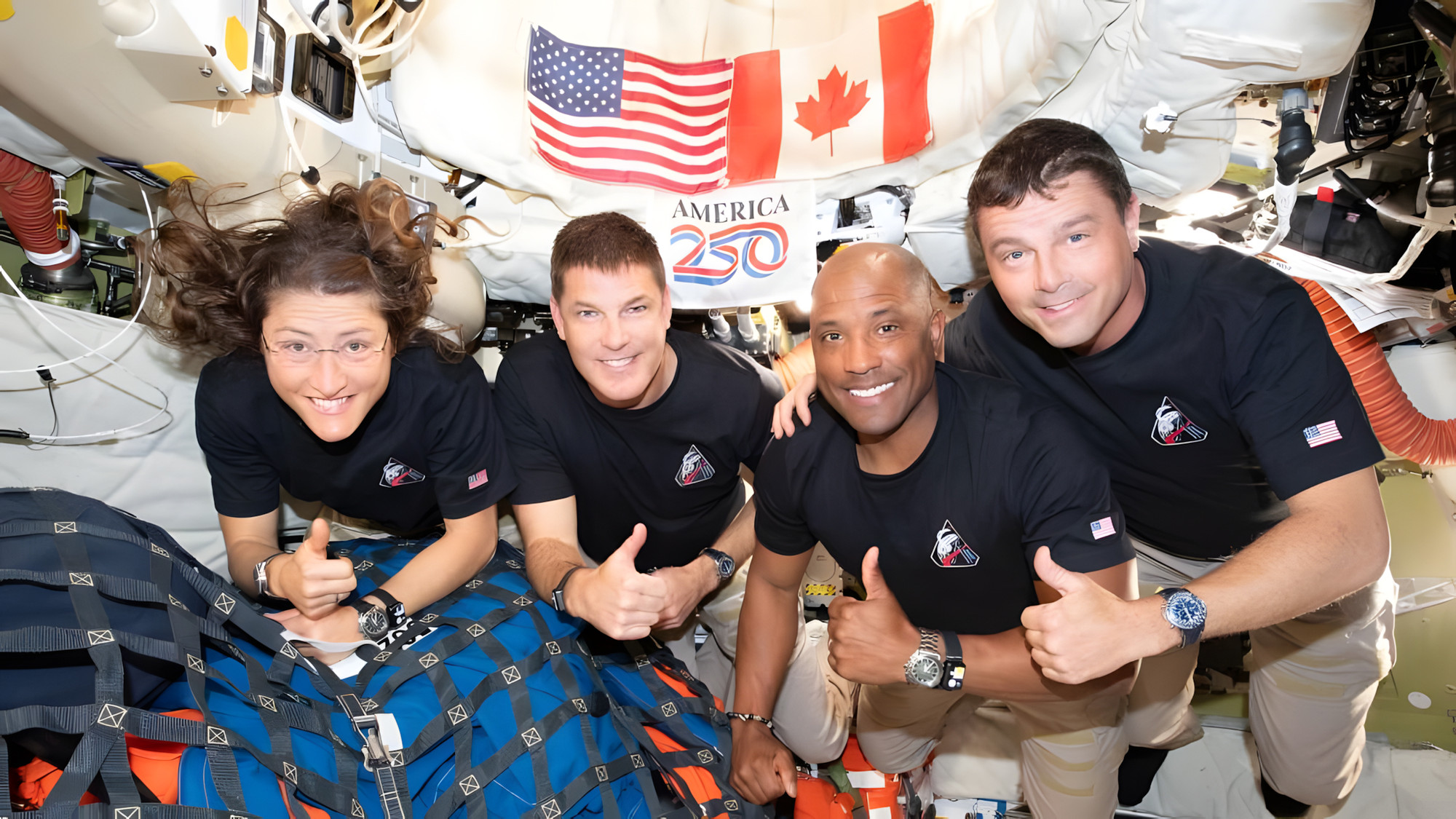
The End of a Historic Journey: Artemis II Returns Home
The Artemis II mission, which has captivated the world with its ambitious journey around the Moon, is now preparing for its epic conclusion. After ten days in space, carrying humanity back into lunar orbit for the first time in over half a century, the Orion capsule with its four astronauts aboard is just hours away from its splashdown in the Pacific Ocean. This event, scheduled for Friday night Eastern Standard Time (EST), marks the end of a historic journey and the dawn of a new era in deep space exploration, paving the way for humanity's return to the lunar surface.
Mission Context and Crucial Milestones
The Artemis II mission, a crucial test flight within NASA's broader Artemis program, has exceeded expectations in every one of its phases. Its primary objectives included testing the Orion capsule's life support systems, verifying crew operations in deep space, and demonstrating the capabilities of the Space Launch System (SLS) rocket, the world's most powerful, ahead of future lunar landing missions. Astronauts Reid Wiseman, Victor Glover, Christina Koch, and Jeremy Hansen have not only successfully completed these tests but have also captured and shared breathtaking images of the lunar surface, offering a renewed perspective of our natural satellite. This lunar flyby was a pivotal moment, setting the stage for humanity's return to the Moon's surface with Artemis III.
A New Deep Space Record Set
Beyond its technical objectives, Artemis II has etched its name into the annals of space history by setting a new record. The crew has traveled the farthest distance from Earth ever achieved by a human-rated spacecraft, surpassing the mark set by Apollo 13 in 1970. This achievement underscores the Orion capsule's and the Artemis program's capability to transport humans beyond low-Earth orbit, a fundamental step for the exploration of Mars and other deep space destinations. The attainment of this record is not merely a matter of distance but a validation of the technology, life support systems, and preparation for even more ambitious future missions that seek to expand human presence in the cosmos.
The Critical Re-entry Phase: Preparing for Splashdown
Artemis II's return to Earth is no less complex than its outward journey. The splashdown sequence involves a series of critical events that must be executed with pinpoint precision. The first crucial step will be the separation of the Orion capsule from its service module, scheduled for 7:33 PM Eastern Standard Time (EST). Just four minutes later, the capsule will perform its final trajectory adjustment maneuver, followed by roll movements to ensure a safe separation and optimal positioning. These moments are vital for correctly aligning the spacecraft before its immersion into Earth's atmosphere, ensuring the heat shield is in the proper orientation to withstand the extreme conditions of re-entry.
The Challenge of Atmospheric Re-entry and the Heat Shield
Artemis II's atmospheric entry interface will occur at 400,000 feet, approximately 13 minutes before splashdown. During this phase, a communication blackout is expected to last for about 6 minutes, a phenomenon known as "blackout" caused by the ionization of air around the capsule due to extreme heat. The most demanding test for Orion will be enduring scorching temperatures, peaking at 5,000° F (approximately 2,760° C) at an altitude of 200,000 feet. This will be the ultimate examination for the spacecraft's heat shield, a component that presented some challenges during the uncrewed Artemis I mission. Success in this phase is crucial for crew safety and the validation of technology for future crewed deep space missions.
The Final Splashdown Sequence and Crew Recovery
Once the peak heating and "blackout" phase are overcome, the Orion capsule will begin its meticulous parachute deployment sequence. At 35,000 feet, the forward bay cover will be jettisoned, and at 22,000 feet, the drogue parachutes will deploy to initiate deceleration. The main parachutes will then open in three stages between 6,800 and 5,000 feet, drastically reducing the capsule's speed for a gentle and controlled impact. Finally, the capsule will touch down in the Pacific Ocean off the coast of San Diego, California. Following splashdown, a joint team from NASA and the U.S. Navy will commence recovery operations, a process estimated to take at least a couple of hours to ensure the safe extraction of both the astronauts and the capsule. This meticulous procedure guarantees crew safety and the integrity of mission data, successfully concluding this pivotal chapter of space exploration.
Related articles
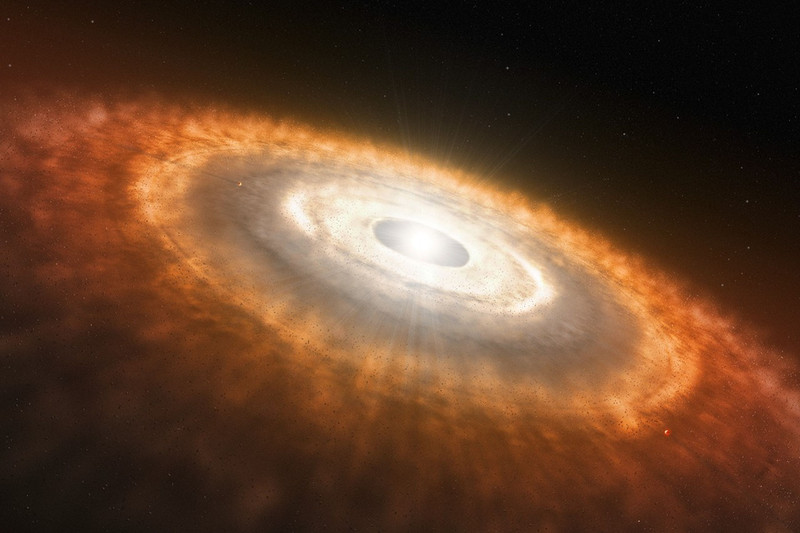
NASA Reveals New Path for Earth's Essential Life Elements
A recent study, published in Science Advances, uncovers how early Earth may have received phosphorus and nitrogen, highlighting Jupiter's critical role.
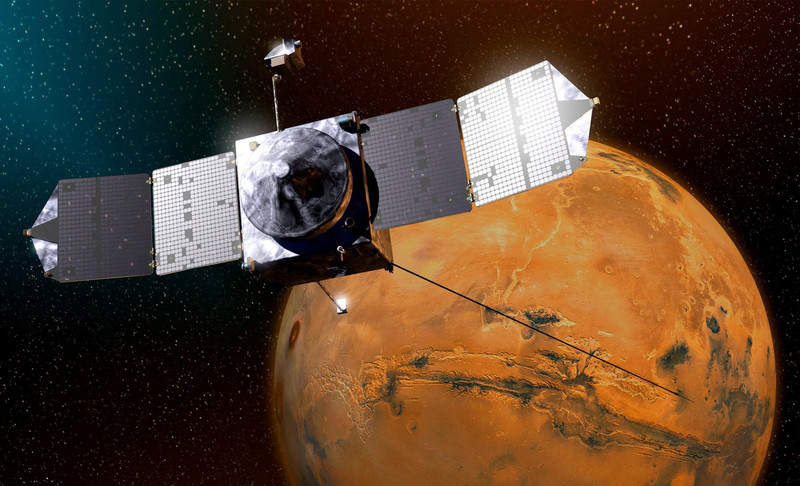
NASA's Maven Mars Orbiter Declared Out of Service After Six Months of Silence
Following an anomaly that disrupted its orbit and depleted its batteries, the Maven spacecraft, vital for understanding Mars' atmosphere, has ended its active mission. Its scientific data remains an invaluable legacy.
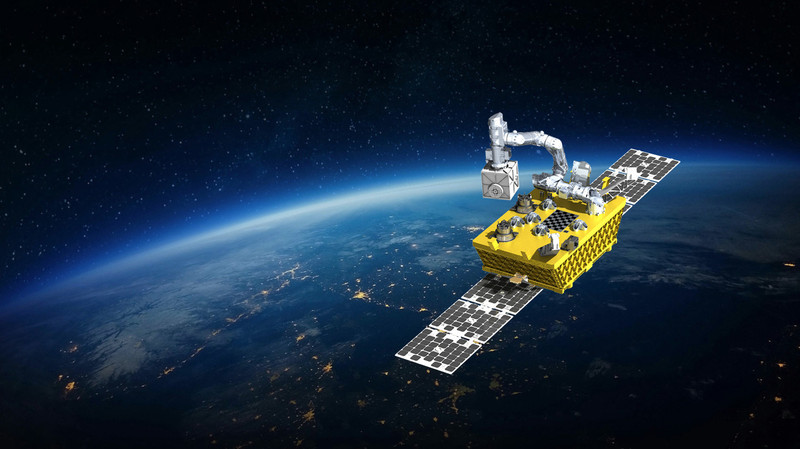
NASA Space Robotics Challenge
NASA invites U.S. researchers to submit proposals for experiments using a robotic arm that will be sent to low Earth orbit as part of the Fly Foundational Robots mission.
Latest news
View all
Stuntman Hollywood: Returns After 19 Years to PS5, Xbox Series, and PC
The iconic action and vehicular stunt franchise makes its comeback courtesy of Saber Interactive, promising a dose of nostalgia and adrenaline for the new generation.

Windows Drops NTLM: Microsoft Boosts Security with Kerberos
Microsoft is taking a crucial step to bolster security in Windows 11, announcing the deprecation of NTLM, its oldest authentication protocol, in favor of Kerberos.

Google Launches Gemma 4 12B: Local AI for Your Laptop with 16GB RAM
Google's new artificial intelligence model aims to democratize access to generative AI, allowing it to run on average consumer computers.
Comments (0)
No comments yet. Be the first!
Leave a comment