
Apple Intelligence in iOS 27: Four Key Features Set to Transform Your iPhone
Internal code leaks reveal how Apple's artificial intelligence will integrate deeper into daily tasks, from health tracking to digital organization.
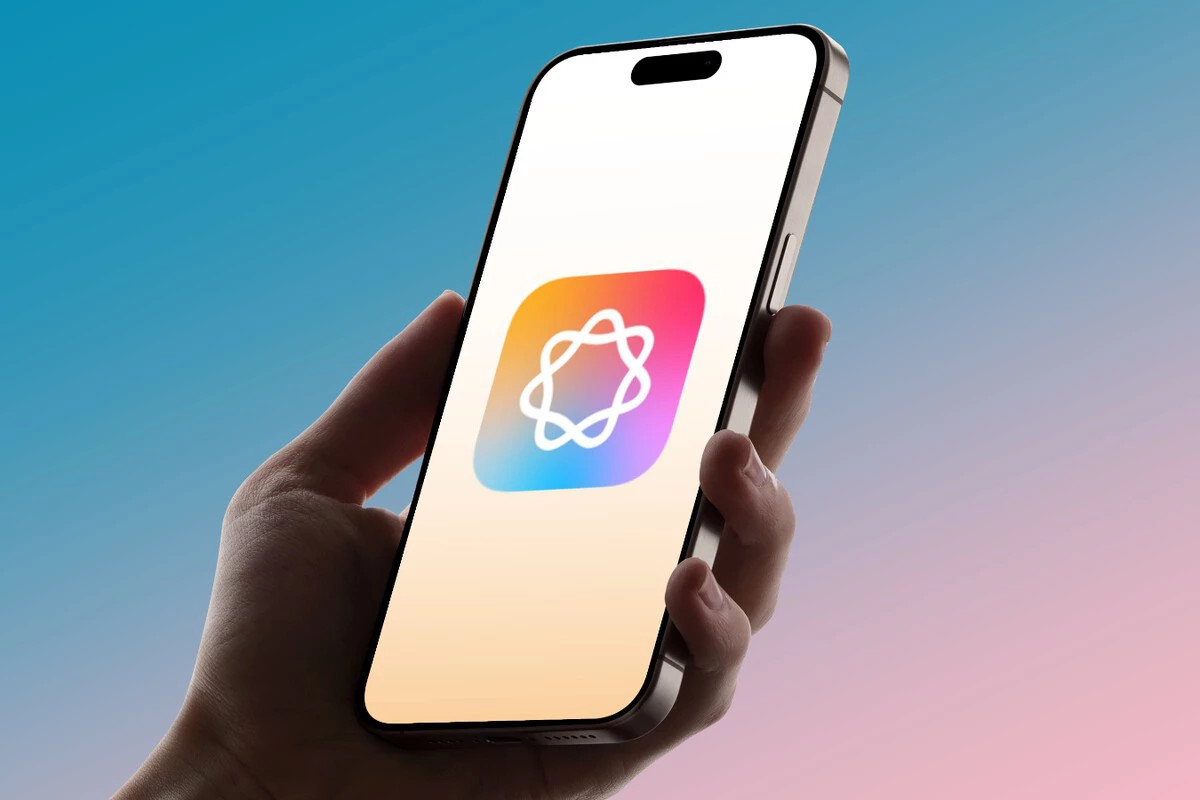
Apple is preparing a significant evolution for its artificial intelligence system with the arrival of iOS 27. Internal code leaks, detected by developer Nicolás Álvarez and verified by MacRumors, reveal at least four key functions. These new features promise to transform how users interact with their iPhone, integrating AI more deeply into daily life. The company is moving towards a more intuitive and automated experience.
Two of these capabilities focus on "Visual Intelligence," the tool allowing the iPhone camera to interpret its surroundings. One feature will enable scanning nutritional labels from products. This information will integrate directly into the Health app, simplifying dietary tracking.
The other "Visual Intelligence" function will allow automatic recognition of phone numbers and printed addresses. Users can simply point their camera at a document. The system will add this data directly to contacts, eliminating the need for manual typing. The iPhone will not only capture images but also understand useful information in real-time.
A third new feature targets the Apple Wallet application. Artificial intelligence will automatically generate digital passes. This will happen from scanned physical documents, such as concert tickets or membership cards. This change will streamline common processes, reducing friction in daily device usage.
The fourth function focuses on the Safari browser. Here, artificial intelligence will automatically name tab groups. It will do so based on the content of each group. While a more subtle enhancement, it aims to automate small, repetitive tasks. This positively impacts user organization and productivity.
The company aims for artificial intelligence to no longer be perceived as a separate tool and instead integrate naturally into the operating system.
These functions do not appear in isolation. They form part of a larger Apple strategy. The company aims for artificial intelligence to no longer be perceived as a separate tool. Instead, it will integrate naturally into the operating system.
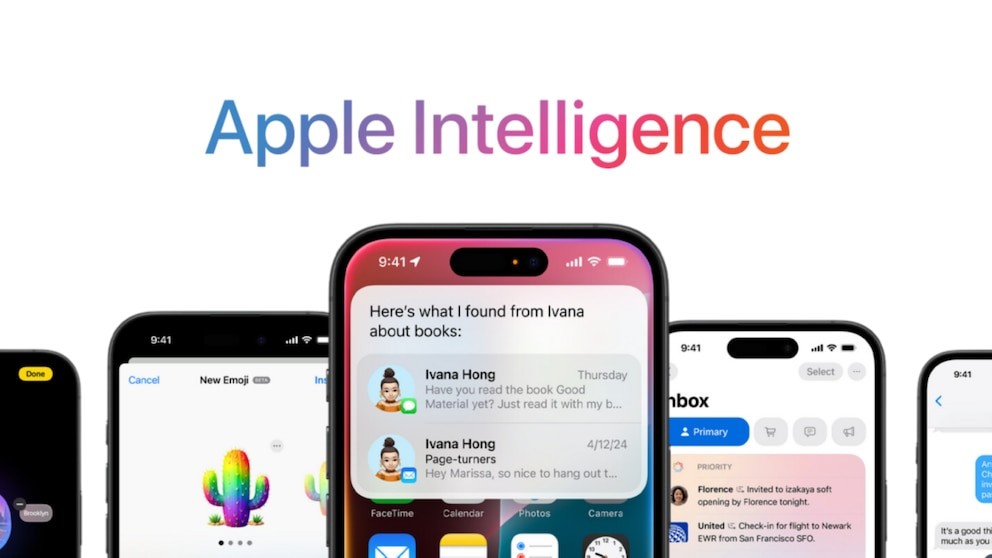
Within this context, a significant evolution for Siri is expected. In iOS 27, the assistant could integrate more deeply with system applications. This would allow executing complex actions without multiple commands, moving towards a more conversational model. These advancements coincide with rumors about future devices with integrated vision capabilities, such as smart glasses. The future of iPhone interaction looks incredibly promising!
Article topics
Related articles
Google Launches Gemma 4 12B: Local AI for Your Laptop with 16GB RAM
Google's new artificial intelligence model aims to democratize access to generative AI, allowing it to run on average consumer computers.
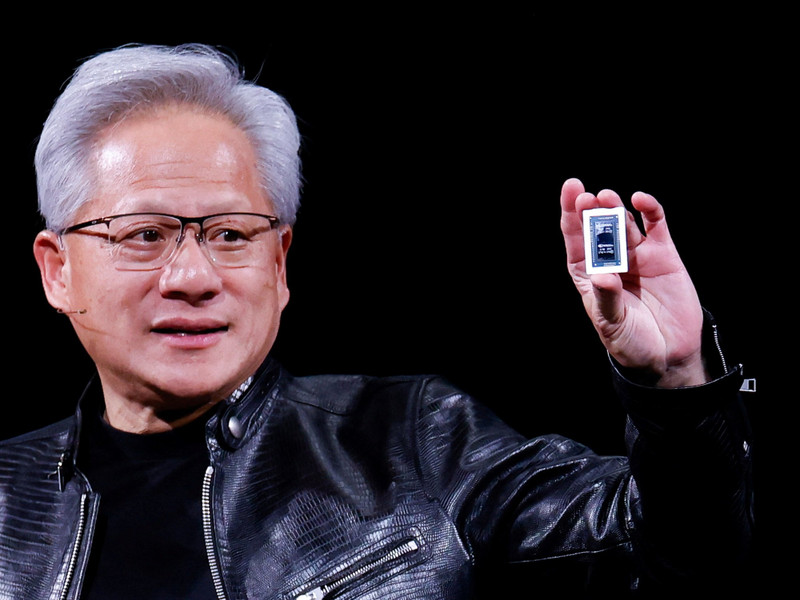
Nvidia Challenges Intel and AMD with RTX Spark Superchip for PCs
Nvidia introduced RTX Spark, a processor promising to bring advanced artificial intelligence directly to your PC, without cloud dependence, and boost gaming to unprecedented levels on conventional machines.

Anthropic's Claude Opus 4.8 boosts "honesty" and reduces code flaws
Anthropic's new AI model, Claude Opus 4.8, launches this Thursday with a focus on transparency and error reduction, giving users more control over computational effort.
Latest news
View all
Stuntman Hollywood: Returns After 19 Years to PS5, Xbox Series, and PC
The iconic action and vehicular stunt franchise makes its comeback courtesy of Saber Interactive, promising a dose of nostalgia and adrenaline for the new generation.
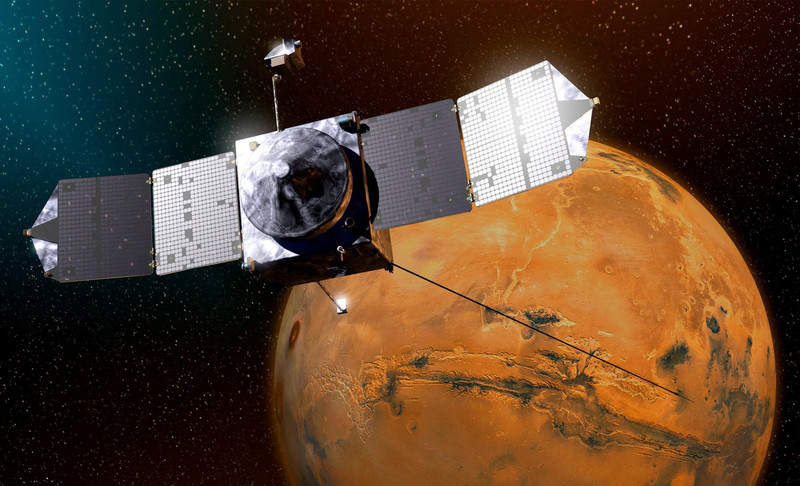
NASA's Maven Mars Orbiter Declared Out of Service After Six Months of Silence
Following an anomaly that disrupted its orbit and depleted its batteries, the Maven spacecraft, vital for understanding Mars' atmosphere, has ended its active mission. Its scientific data remains an invaluable legacy.

Windows Drops NTLM: Microsoft Boosts Security with Kerberos
Microsoft is taking a crucial step to bolster security in Windows 11, announcing the deprecation of NTLM, its oldest authentication protocol, in favor of Kerberos.
Comments (0)
No comments yet. Be the first!
Leave a comment