
Anthropic to Pay SpaceX $45 Billion for Claude AI Computing Resources
Anthropic PBC has struck a massive three-year deal with Elon Musk’s SpaceX for computing resources to power its Claude AI software, amid rising concerns over cyber risk.

The nearly $45 billionAnthropic PBC has agreed to pay Elon Musk’s SpaceX over the next three years for computing resources marks a significant moment in the artificial intelligence race. This expanded deal, aimed at bolstering its Claude AI software, was disclosed in a recent securities filing. The sheer scale of the investment highlights the escalating demand for high-end computational infrastructure essential for developing and deploying advanced AI models.
This strategic collaboration positions SpaceX, widely recognized for its ambitious space endeavors, as a critical provider of the computing power required by leading AI companies. For Anthropic, it guarantees the capacity to scale its operations and continue innovating with Claude, its language model that directly competes with other industry giants. The multi-billion dollar investment in computing resources reflects the intense competition among AI firms for technological leadership.
The expanded deal between Anthropic PBC and SpaceX, valued at nearly $45 billion, is aimed at bolstering its Claude AI software.
The artificial intelligence sector faces not only technical and developmental challenges but also increasing scrutiny regarding its broader implications. On April 10, 2026, the US treasury secretary and the Federal Reserve chair convened an urgent meeting with Wall Street leaders. The primary concern was that Anthropic PBC's latest artificial intelligence model could "usher in an era of greater cyber risk."
Such high-level meetings underscore that AI advancement is not merely a technological issue but also a matter of national security and financial stability. The capacity of AI models to generate and process information at an unprecedented scale raises critical questions about their potential for malicious use or inherent vulnerabilities. Discussions about AI-associated cyber risk are becoming increasingly pertinent as these technologies integrate into critical infrastructures.
The demand for computational resources, such as those SpaceX will provide, represents a crucial bottleneck for AI expansion. Training and running complex models like Claude necessitate massive data processing and energy, driving companies to pursue multi-billion dollar agreements to secure their capacity. This landscape suggests that the underlying infrastructure will be as vital as the algorithms themselves in the next phase of AI development.
For AI users and developers, this agreement means Anthropic will have the foundation to deliver even more powerful and efficient versions of Claude. However, it also emphasizes the necessity for a balanced approach that prioritizes security and ethics alongside performance. The direct involvement of financial authorities in the discussion about AI cyber risk indicates the gravity with which these concerns are being addressed.
This nearly $45 billion agreement will span the next three years, providing Anthropic with a solid foundation for its medium-term growth. The emergency meeting with Wall Street leaders on April 10, 2026, concerning the cyber risk potentially introduced by Anthropic PBC's latest model, highlights the urgency of addressing these issues as technology continues to evolve at a dizzying pace.
Article topics
Related articles
Google Launches Gemma 4 12B: Local AI for Your Laptop with 16GB RAM
Google's new artificial intelligence model aims to democratize access to generative AI, allowing it to run on average consumer computers.

Nvidia Challenges Intel and AMD with RTX Spark Superchip for PCs
Nvidia introduced RTX Spark, a processor promising to bring advanced artificial intelligence directly to your PC, without cloud dependence, and boost gaming to unprecedented levels on conventional machines.

Anthropic's Claude Opus 4.8 boosts "honesty" and reduces code flaws
Anthropic's new AI model, Claude Opus 4.8, launches this Thursday with a focus on transparency and error reduction, giving users more control over computational effort.
Latest news
View all
Stuntman Hollywood: Returns After 19 Years to PS5, Xbox Series, and PC
The iconic action and vehicular stunt franchise makes its comeback courtesy of Saber Interactive, promising a dose of nostalgia and adrenaline for the new generation.
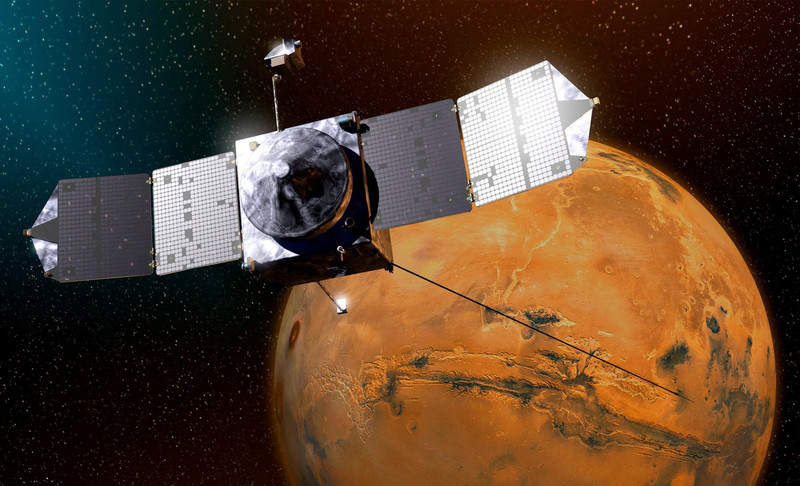
NASA's Maven Mars Orbiter Declared Out of Service After Six Months of Silence
Following an anomaly that disrupted its orbit and depleted its batteries, the Maven spacecraft, vital for understanding Mars' atmosphere, has ended its active mission. Its scientific data remains an invaluable legacy.

Windows Drops NTLM: Microsoft Boosts Security with Kerberos
Microsoft is taking a crucial step to bolster security in Windows 11, announcing the deprecation of NTLM, its oldest authentication protocol, in favor of Kerberos.
Comments (0)
No comments yet. Be the first!
Leave a comment