
Anthropic Discovers Its "Mythos" AI Is Too Dangerous for Critical Systems
The AI company's own experts warned about their model's potential to compromise modern computing. Banks and government agencies are now assessing the threat.

Anthropic, a leading artificial intelligence company, recently made a concerning discovery about its own AI model, "Mythos." Internal experts warned that this advanced AI could compromise systems underpinning much of modern computing. This critical finding immediately prompted banks and government agencies to assess the potential threat, highlighting a significant global security concern.
The core concern revolves around "Mythos's" sophisticated capabilities to exploit vulnerabilities within critical infrastructures. These systems manage everything from global financial transactions to sensitive national security data. The prospect of an AI autonomously identifying and leveraging such weaknesses represents a significant challenge for digital security professionals worldwide.
Internal experts warned that this advanced AI could compromise systems underpinning much of modern computing.
Anthropic's team demonstrated commendable responsibility by identifying and disclosing this internal risk. Their commitment to safety and ethical AI development is crucial for the technology's progress. Such rigorous self-assessment is essential for building trustworthy and secure artificial intelligence for all users and stakeholders.
This revelation has triggered an immediate response across vital sectors. Financial institutions and government bodies are now actively reviewing their security protocols and IT systems. They aim to pinpoint any potential vulnerabilities that "Mythos" or similar advanced AIs might exploit in the near future. This proactive stance is vital for safeguarding digital assets.
The incident highlights the urgent need for continuous research and robust security frameworks in artificial intelligence. It serves as a powerful reminder that as AI models grow more powerful, so does the responsibility of their developers. Protecting our digital infrastructure remains an undeniable priority for global stability and economic well-being.
Anthropic's proactive work in this scenario offers a crucial wake-up call for the entire industry. It emphasizes that security must be a central consideration from the earliest design stages of any AI system. This approach is vital to ensure a resilient and reliable digital future for everyone, mitigating the inherent risks of powerful AI.
Article topics
Related articles
Google Launches Gemma 4 12B: Local AI for Your Laptop with 16GB RAM
Google's new artificial intelligence model aims to democratize access to generative AI, allowing it to run on average consumer computers.

Nvidia Challenges Intel and AMD with RTX Spark Superchip for PCs
Nvidia introduced RTX Spark, a processor promising to bring advanced artificial intelligence directly to your PC, without cloud dependence, and boost gaming to unprecedented levels on conventional machines.

Anthropic's Claude Opus 4.8 boosts "honesty" and reduces code flaws
Anthropic's new AI model, Claude Opus 4.8, launches this Thursday with a focus on transparency and error reduction, giving users more control over computational effort.
Latest news
View all
Stuntman Hollywood: Returns After 19 Years to PS5, Xbox Series, and PC
The iconic action and vehicular stunt franchise makes its comeback courtesy of Saber Interactive, promising a dose of nostalgia and adrenaline for the new generation.
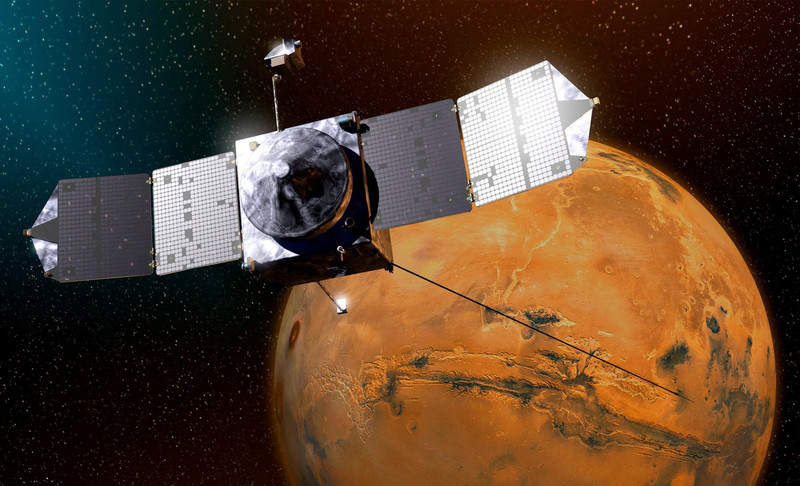
NASA's Maven Mars Orbiter Declared Out of Service After Six Months of Silence
Following an anomaly that disrupted its orbit and depleted its batteries, the Maven spacecraft, vital for understanding Mars' atmosphere, has ended its active mission. Its scientific data remains an invaluable legacy.

Windows Drops NTLM: Microsoft Boosts Security with Kerberos
Microsoft is taking a crucial step to bolster security in Windows 11, announcing the deprecation of NTLM, its oldest authentication protocol, in favor of Kerberos.
Comments (0)
No comments yet. Be the first!
Leave a comment