
AI Reveals Vowel-Like Patterns in Sperm Whales' Complex "Language"
A surprising discovery, powered by artificial intelligence, transforms our understanding of these cetaceans' communication. Acoustic patterns analogous to human vowels were identified.
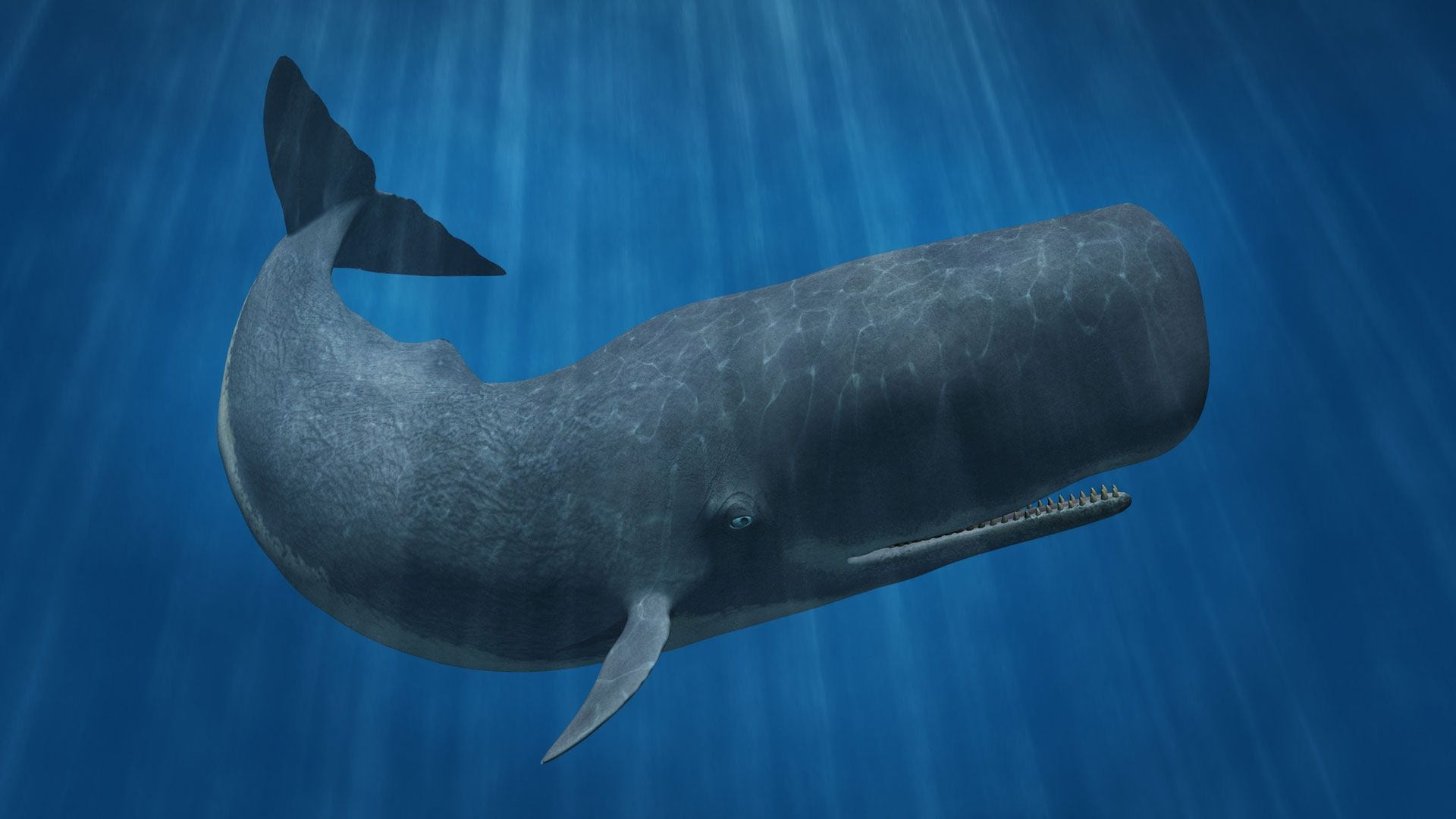
A recent discovery about sperm whale communication has transformed our understanding of their language. Scientists in the Caribbean, as detailed by National Geographic, identified acoustic patterns analogous to human vowels. This finding, made possible by artificial intelligence, suggests an unexpected phonetic complexity within their communication system.
The research is based on the analysis of over 8,700 "codas." These are sequences of clicks sperm whales use for communication. They modulate duration, frequency, and rhythm, forming systematic acoustic combinations. These combinations resemble the articulation of vowels in human speech.
The decoding of this sophisticated language was made possible by Project CETI (Cetacean Translation Initiative). This international initiative gathered a database of over 8,700 "codas" recorded in the Caribbean. To analyze this volume of information, the team turned to artificial intelligence.
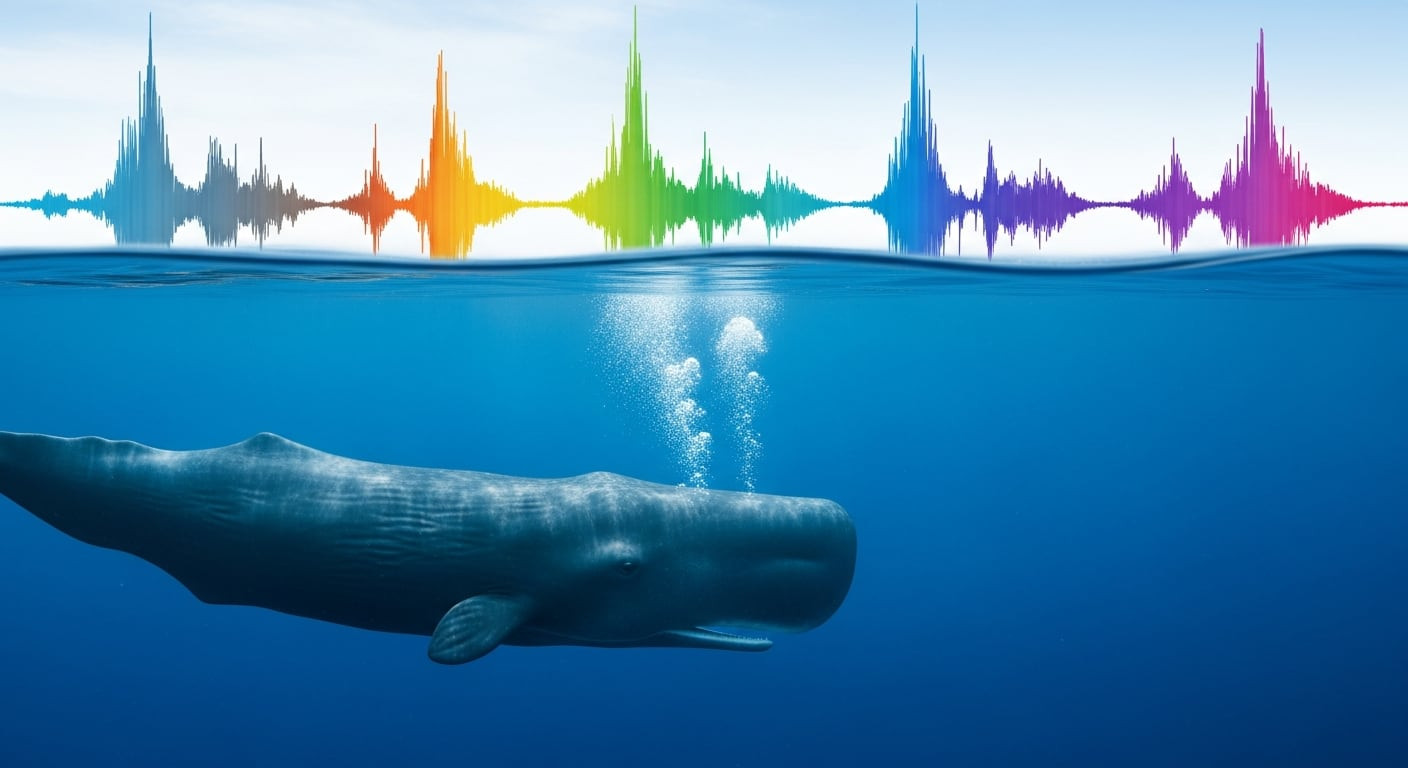
The algorithms successfully identified minimal acoustic differences. They isolated the basic units of sperm whale "phonetics." This had not been possible with conventional methods until now. The use of AI allowed detecting patterns and classifying specific click combinations. This opens the possibility of interpreting the structural rules of their communication.
This technological advance marks a turning point in animal communication research.
The study reveals parallels between sperm whale communication and human language. Both systems organize communication into acoustic units with functions similar to vowels. In humans, vowels modify the meaning of words. In sperm whales, variations in clicks fulfill an analogous function. They modulate the transmitted information.
The team observed that sperm whales do not just string "codas" together, but also apply systematic variations. This suggests a degree of complexity and flexibility comparable to human phonetics. This structural parallelism evidences an evolutionary convergence in the organization of advanced communication systems.
The research identified four recurrent acoustic patterns. These are considered functional equivalents to human vowels. These patterns are distinguished by precise differences in duration and interval between clicks. Furthermore, sperm whales were shown to employ "coarticulation." This means they modify the sound of a click based on the preceding one. What an incredible insight into their world!
Article topics
Related articles

NASA Reveals New Path for Earth's Essential Life Elements
A recent study, published in Science Advances, uncovers how early Earth may have received phosphorus and nitrogen, highlighting Jupiter's critical role.
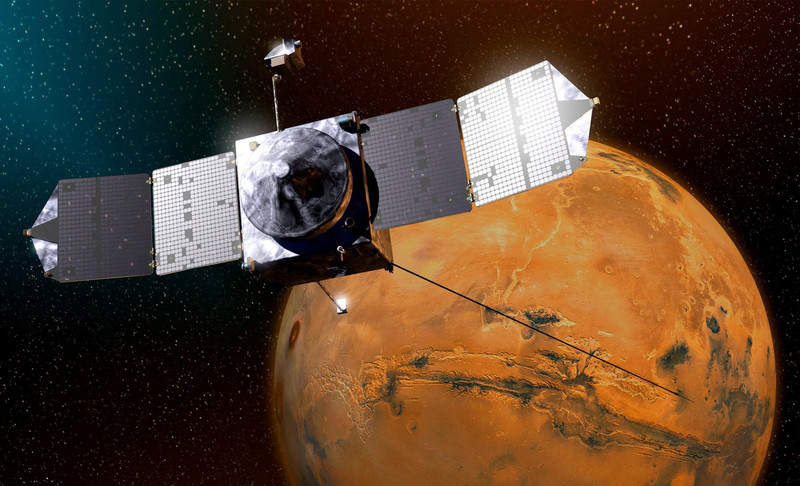
NASA's Maven Mars Orbiter Declared Out of Service After Six Months of Silence
Following an anomaly that disrupted its orbit and depleted its batteries, the Maven spacecraft, vital for understanding Mars' atmosphere, has ended its active mission. Its scientific data remains an invaluable legacy.
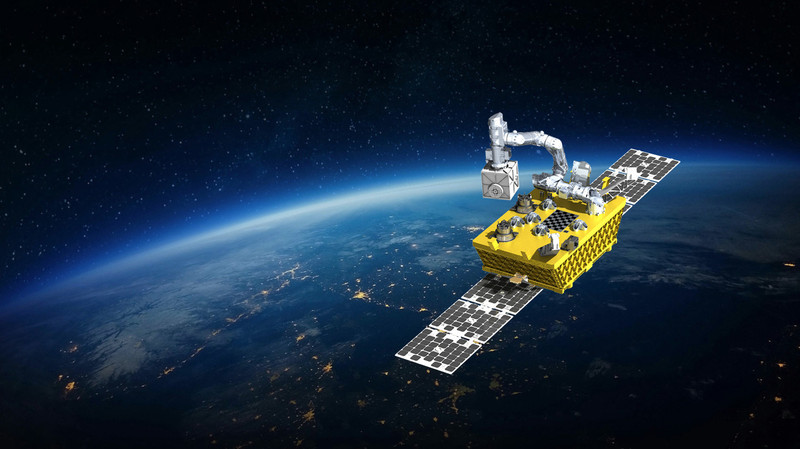
NASA Space Robotics Challenge
NASA invites U.S. researchers to submit proposals for experiments using a robotic arm that will be sent to low Earth orbit as part of the Fly Foundational Robots mission.
Latest news
View all
Stuntman Hollywood: Returns After 19 Years to PS5, Xbox Series, and PC
The iconic action and vehicular stunt franchise makes its comeback courtesy of Saber Interactive, promising a dose of nostalgia and adrenaline for the new generation.

Windows Drops NTLM: Microsoft Boosts Security with Kerberos
Microsoft is taking a crucial step to bolster security in Windows 11, announcing the deprecation of NTLM, its oldest authentication protocol, in favor of Kerberos.

Google Launches Gemma 4 12B: Local AI for Your Laptop with 16GB RAM
Google's new artificial intelligence model aims to democratize access to generative AI, allowing it to run on average consumer computers.
Comments (0)
No comments yet. Be the first!
Leave a comment