
AI reshapes warfare in 2026 with autonomous decision-making
Since 2014, military technology has rapidly advanced, with algorithms making decisions in seconds and with minimal human input.
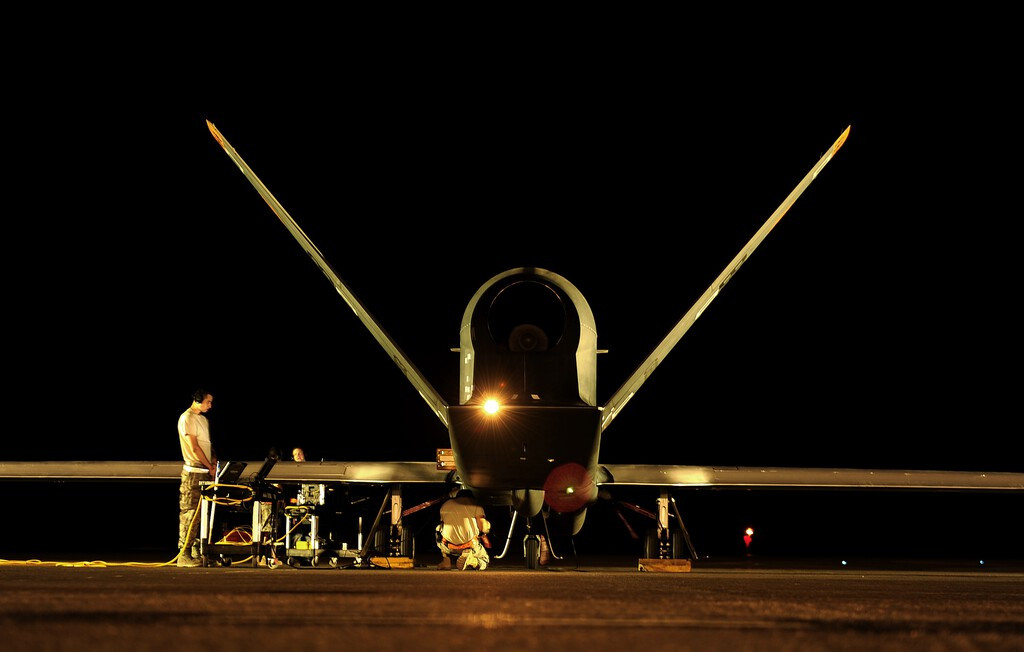
In 2014, Google engineers signed an internal letter protesting the use of their software in Pentagon projects. This action sparked a debate about the ethical limits of the technology they had developed. Nearly ten years later, artificial intelligence (AI) now plays a central role in military systems, accelerating how wars are fought.
Last week, The New York Times reported that modern conflicts are increasingly driven by AI systems that identify targets, recommend attacks, and generate complete plans within seconds. Human intervention has become almost symbolic, limited to selecting options on a screen. Programs like Project Maven, developed by Palantir and integrated with models like Anthropic, demonstrate how decision chains have shrunk. Satellite images, drone data, and intercepted signals are processed automatically to generate target lists and attack solutions.
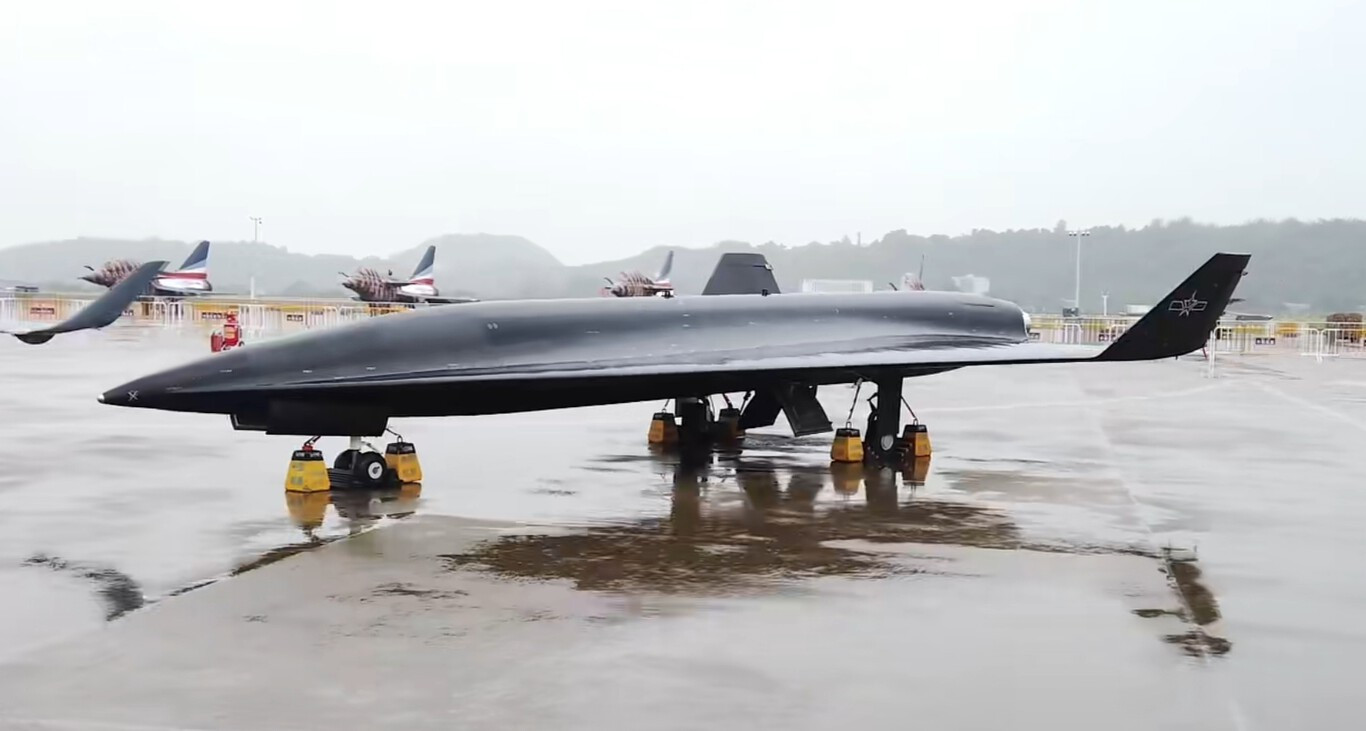
Leading the race for technological dominance are the United States, China, and Russia. China is developing drone swarms coordinated by AI and platforms that operate alongside manned fighters. Russia is investing in drones like Lancet, which are evolving toward autonomous target selection. The US is pushing companies like Anduril to speed up autonomous drone production, where rapid development is crucial.
The Ukraine war has been a turning point, showing that relatively simple systems can quickly evolve into semi-autonomous capabilities. Commercial drones, unmanned vessels, and data analysis tools have helped resist superior adversaries, while Russia incorporates automation into its own combat systems.
Related articles

Google Launches Gemma 4 12B: Local AI for Your Laptop with 16GB RAM
Google's new artificial intelligence model aims to democratize access to generative AI, allowing it to run on average consumer computers.

Nvidia Challenges Intel and AMD with RTX Spark Superchip for PCs
Nvidia introduced RTX Spark, a processor promising to bring advanced artificial intelligence directly to your PC, without cloud dependence, and boost gaming to unprecedented levels on conventional machines.

Anthropic's Claude Opus 4.8 boosts "honesty" and reduces code flaws
Anthropic's new AI model, Claude Opus 4.8, launches this Thursday with a focus on transparency and error reduction, giving users more control over computational effort.
Latest news
View all
Stuntman Hollywood: Returns After 19 Years to PS5, Xbox Series, and PC
The iconic action and vehicular stunt franchise makes its comeback courtesy of Saber Interactive, promising a dose of nostalgia and adrenaline for the new generation.
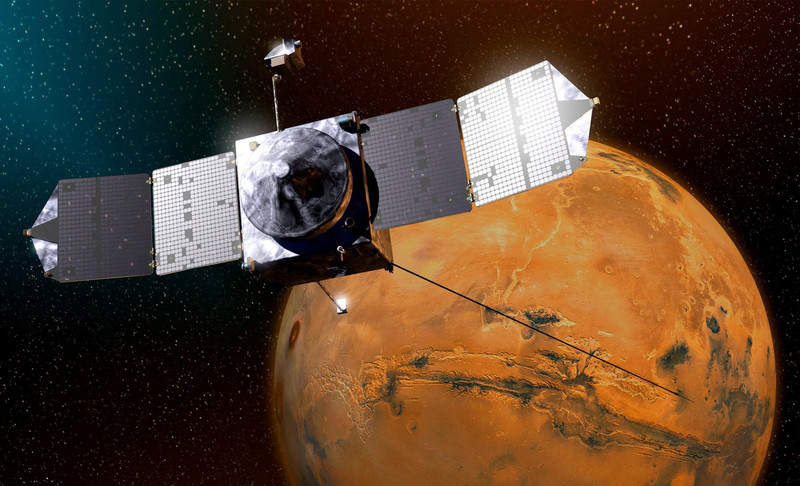
NASA's Maven Mars Orbiter Declared Out of Service After Six Months of Silence
Following an anomaly that disrupted its orbit and depleted its batteries, the Maven spacecraft, vital for understanding Mars' atmosphere, has ended its active mission. Its scientific data remains an invaluable legacy.

Windows Drops NTLM: Microsoft Boosts Security with Kerberos
Microsoft is taking a crucial step to bolster security in Windows 11, announcing the deprecation of NTLM, its oldest authentication protocol, in favor of Kerberos.
Comments (0)
No comments yet. Be the first!
Leave a comment