
AI Learns to Say 'I Don't Know' to Reduce Fabricated Responses
A new method inspired by the human brain aims to make artificial intelligence models admit their uncertainty, reducing invented answers and improving reliability.
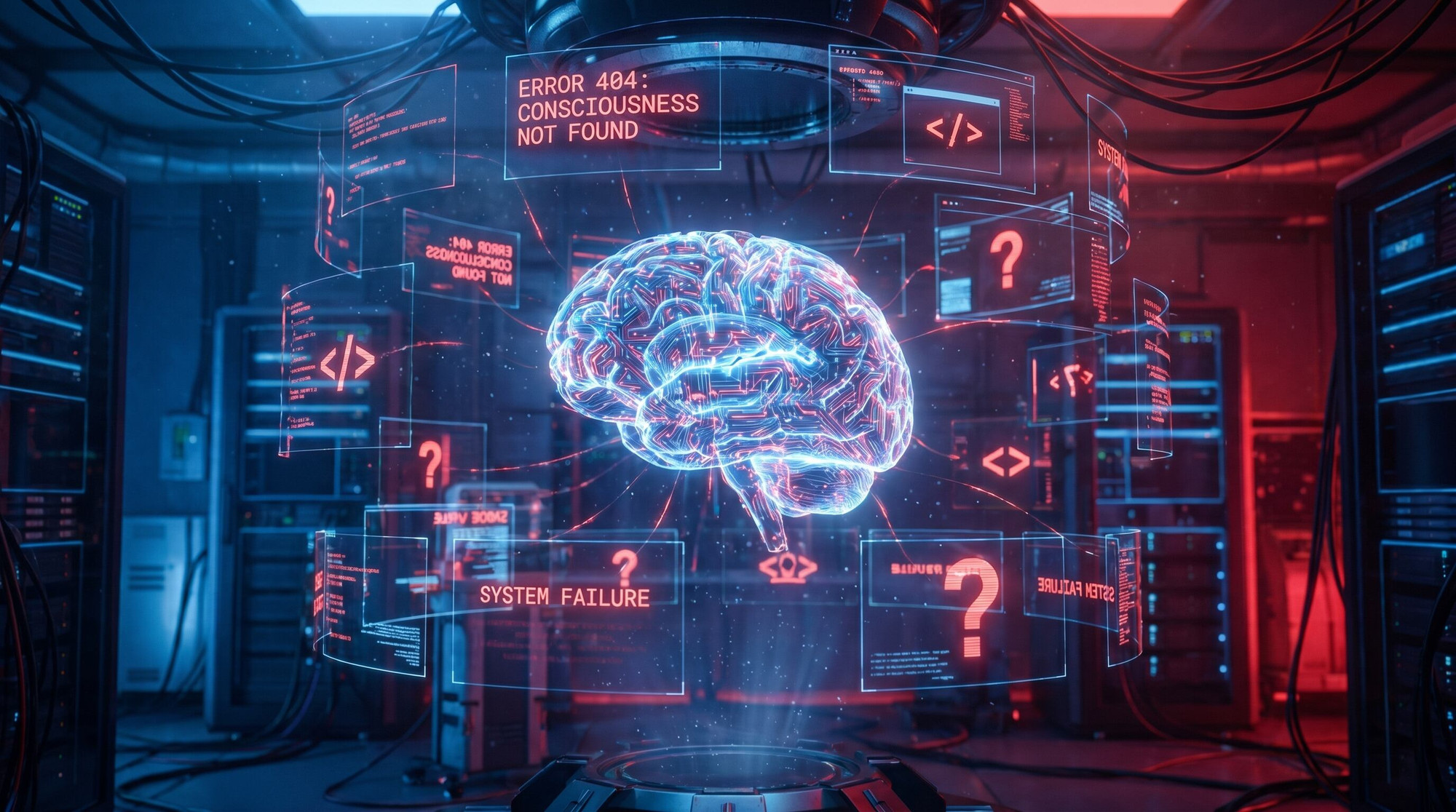
Artificial intelligence (AI) has demonstrated an astonishing ability to generate responses and perform complex tasks, but a persistent challenge is its tendency to fabricate information when it doesn't know the answer. Researchers at KAIST have developed an innovative technique to address this issue, aiming to make AI capable of recognizing and communicating its own uncertainty.
The problem arises, according to the researchers, because AI systems learn patterns during training without developing a real understanding of their knowledge limits. This leads them to generate answers with a high degree of confidence even when they don't know something, a phenomenon known as 'hallucination'. The study's authors emphasize the need for AI to be able to say 'I'm not sure' on its own.
During the initial stages of deep learning, a key method for training neural networks, models begin to establish connections without discerning between correct and incorrect information. This 'random initialization' can cause AI to develop overconfidence in erroneous answers, a trend that persists as training progresses.
“AI should be able to say ‘I’m not sure’ on its own,” explained the study’s authors.
To counteract this, the Korean team drew inspiration from the 'spontaneous neural activity' of the human brain. In our brains, neurons generate signals even without external stimuli, which is crucial for the early development of neural circuits. The researchers applied a similar concept by adding a phase prior to conventional AI training.
In this new stage, the AI model is exposed solely to random noise and seemingly nonsensical data. The premise is that, before learning real information, the artificial intelligence first 'learns' that it doesn't know anything yet. By experimenting with chaotic data and arbitrary outcomes, the system develops much lower confidence levels, close to random chance. This, according to the authors, improves the correlation between the model's actual accuracy and the confidence with which it presents its answers.
The applications of this research extend far beyond chatbots like ChatGPT or Google Gemini, which are often the focus of the hallucination debate. AI systems are used in autonomous vehicles, drones, industrial surveillance systems, and medical diagnostic support tools. In these fields, the ability to recognize uncertainty is as vital as the accuracy of the response.
This new technique also opens the door to developing metacognitive capabilities in AI, allowing the system to be aware of its own knowledge limitations. Professor Se-Bum Paik, the lead author of the study, highlighted that principles inspired by brain development can be fundamental to creating AI systems that reason more like humans.
The tech industry, including giants like Apple, Microsoft, Anthropic, and Google, has been working tirelessly to improve the accuracy and reliability of their AI models. However, a definitive solution for hallucinations remains a challenge. KAIST's proposal offers a promising approach, teaching AI not only to respond but also to identify when a response is not secure.
Article topics
Related articles
Google Launches Gemma 4 12B: Local AI for Your Laptop with 16GB RAM
Google's new artificial intelligence model aims to democratize access to generative AI, allowing it to run on average consumer computers.
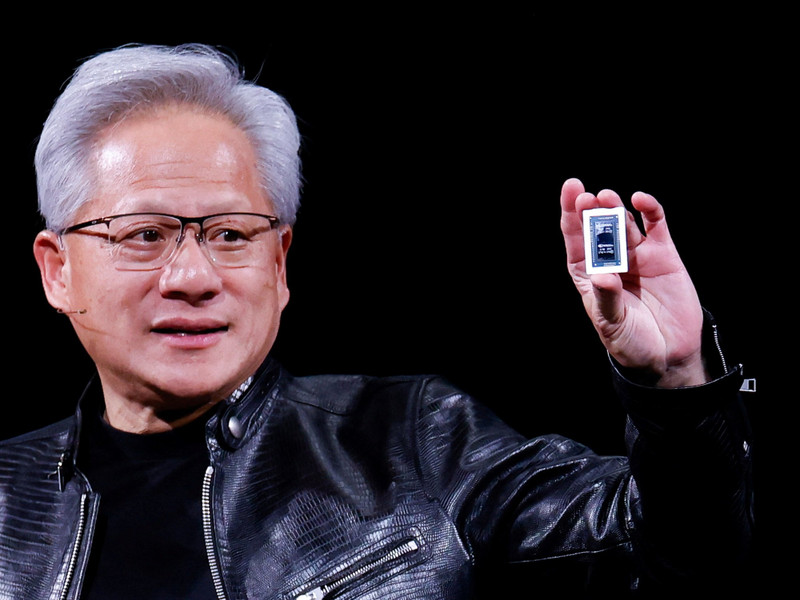
Nvidia Challenges Intel and AMD with RTX Spark Superchip for PCs
Nvidia introduced RTX Spark, a processor promising to bring advanced artificial intelligence directly to your PC, without cloud dependence, and boost gaming to unprecedented levels on conventional machines.

Anthropic's Claude Opus 4.8 boosts "honesty" and reduces code flaws
Anthropic's new AI model, Claude Opus 4.8, launches this Thursday with a focus on transparency and error reduction, giving users more control over computational effort.
Latest news
View all
Stuntman Hollywood: Returns After 19 Years to PS5, Xbox Series, and PC
The iconic action and vehicular stunt franchise makes its comeback courtesy of Saber Interactive, promising a dose of nostalgia and adrenaline for the new generation.
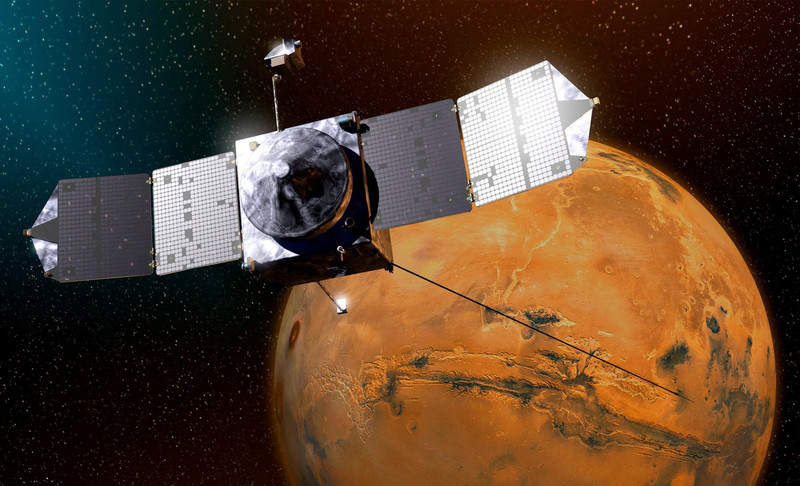
NASA's Maven Mars Orbiter Declared Out of Service After Six Months of Silence
Following an anomaly that disrupted its orbit and depleted its batteries, the Maven spacecraft, vital for understanding Mars' atmosphere, has ended its active mission. Its scientific data remains an invaluable legacy.

Windows Drops NTLM: Microsoft Boosts Security with Kerberos
Microsoft is taking a crucial step to bolster security in Windows 11, announcing the deprecation of NTLM, its oldest authentication protocol, in favor of Kerberos.
Comments (0)
No comments yet. Be the first!
Leave a comment