
AI-created influencer scammed people and funded university in the US
A student in India used artificial intelligence to craft a fake influencer profile on social media. With this, he scammed users and paid for his university education in the US.

Social media platforms are increasingly filled with fake profiles driven by artificial intelligence and deepfakes, especially during election periods. These tools are used to influence public opinion and manipulate perceptions, a trend seen in campaigns in the United States that could also appear in Argentina during upcoming elections.
An example is the profile of “Emily Hart,” a fictional American nurse with Christian values and patriotic speech. The account interacted with users, shared engaging content, and built trust, but in reality, she didn’t exist. Profiles like this showcase how effective deepfakes can be in shaping public opinion.
Behind Emily Hart was a university student in India who used AI and free tools to create a profile with conservative traits appealing to specific groups. His strategy was straightforward: after gaining followers, he offered supposed exclusive photos for money. Although he didn’t disclose his earnings, he revealed he paid for his medical degree in the US, earning thousands of dollars monthly.
This case highlights AI’s potential to generate scams and manipulate collective perception on social media. Fake profiles often use emotional language and aim for viral content, repeating phrases and formats that appeal to feelings rather than critical thinking. For instance, pro-Trump bots on TikTok use short phrases and call for mass interaction, like challenges that boost engagement.
The phenomenon isn’t limited to one political spectrum. At least 304 TikTok accounts created entirely with AI have been identified, spreading similar discourses to influence diverse audiences. Even figures like the Pope have been targeted by such replicas, showing the broad scope of this issue.
In Argentina, the use of AI and bots in political campaigns is also rising. In recent presidential elections, AI-generated posters supported candidates like Milei and Massa. The main goal of these fake accounts is to sway the political climate and public perception, aiming to influence voters’ opinions.
Article topics
Related articles

Google Launches Gemma 4 12B: Local AI for Your Laptop with 16GB RAM
Google's new artificial intelligence model aims to democratize access to generative AI, allowing it to run on average consumer computers.
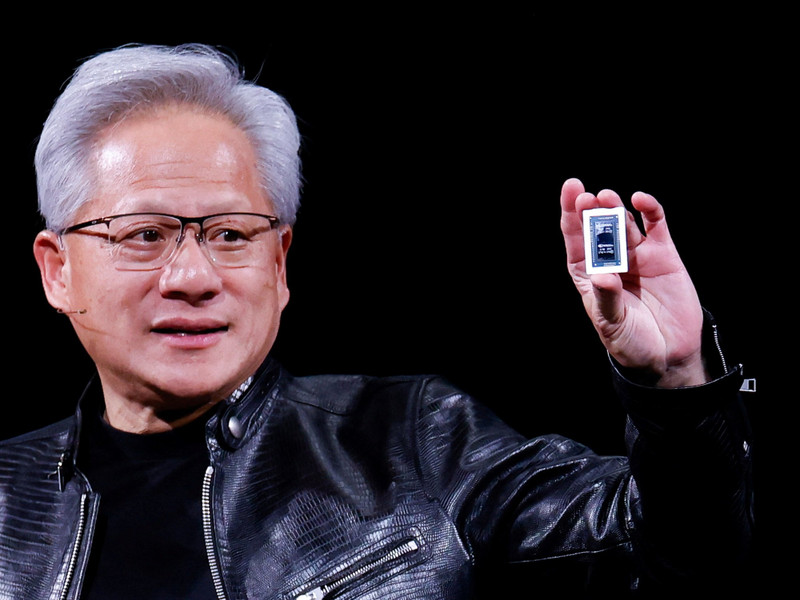
Nvidia Challenges Intel and AMD with RTX Spark Superchip for PCs
Nvidia introduced RTX Spark, a processor promising to bring advanced artificial intelligence directly to your PC, without cloud dependence, and boost gaming to unprecedented levels on conventional machines.

One Piece Anime Unveils God's Knights as New Villains
The animated adaptation of Eiichiro Oda's manga introduced the formidable antagonists set to challenge the Straw Hats in the current arc.
Latest news
View all
Stuntman Hollywood: Returns After 19 Years to PS5, Xbox Series, and PC
The iconic action and vehicular stunt franchise makes its comeback courtesy of Saber Interactive, promising a dose of nostalgia and adrenaline for the new generation.

NASA's Maven Mars Orbiter Declared Out of Service After Six Months of Silence
Following an anomaly that disrupted its orbit and depleted its batteries, the Maven spacecraft, vital for understanding Mars' atmosphere, has ended its active mission. Its scientific data remains an invaluable legacy.

Windows Drops NTLM: Microsoft Boosts Security with Kerberos
Microsoft is taking a crucial step to bolster security in Windows 11, announcing the deprecation of NTLM, its oldest authentication protocol, in favor of Kerberos.
Comments (0)
No comments yet. Be the first!
Leave a comment