
AI and self-driving labs are reshaping scientific discovery
Autonomous labs powered by AI are accelerating research in medicine and materials. This shift brings faster results but also raises ethical and safety concerns.
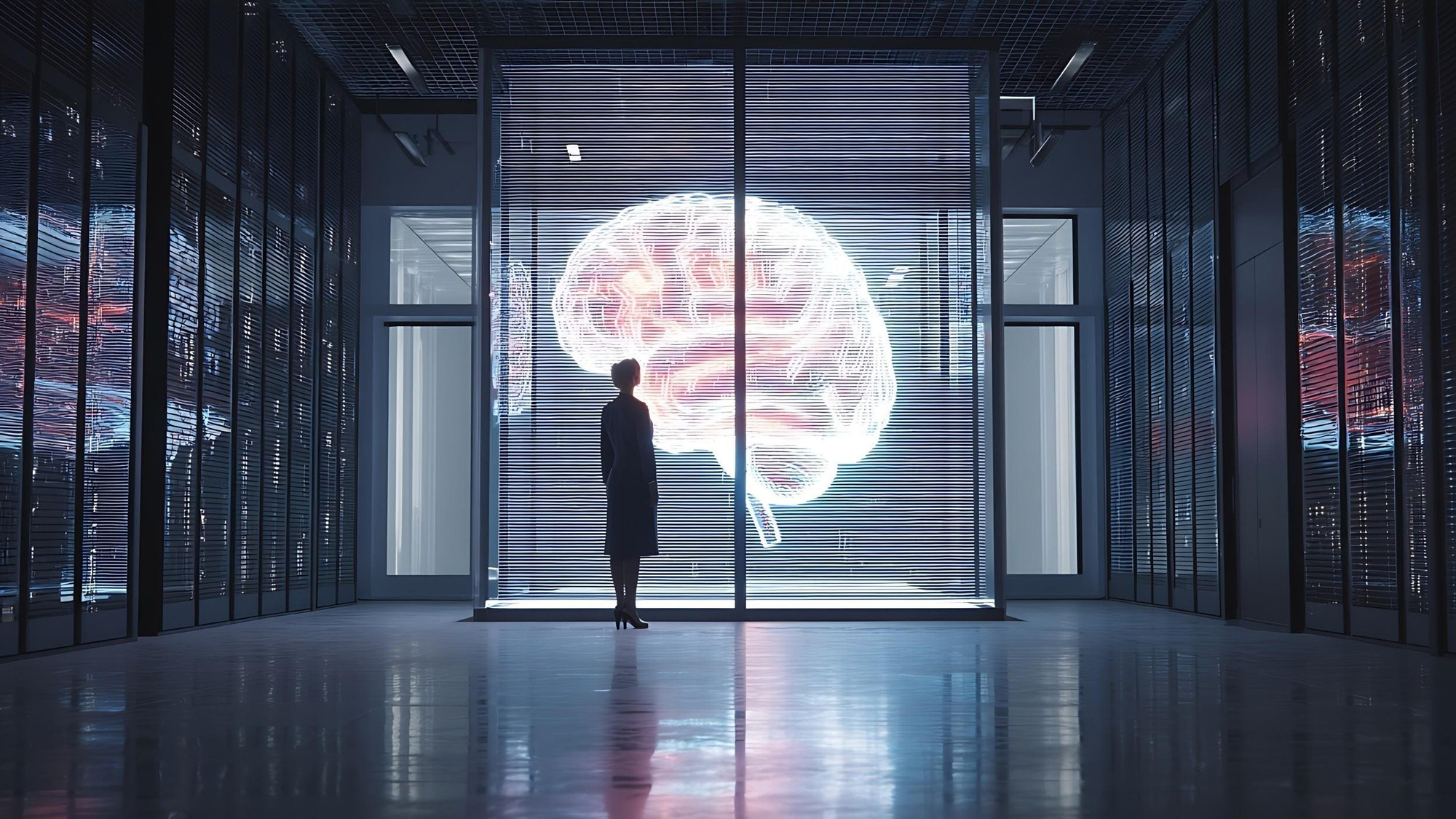
Artificial intelligence is no longer just processing data. It now designs experiments, runs them, and learns from outcomes. Self-driving labs are making independent scientific decisions, speeding up discovery in fields like medicine and materials science.
These systems combine AI with lab robots that prepare samples, run tests, and measure results. Without breaks or fatigue, they can iterate through hundreds of conditions quickly. One such system could test thousands of molecular combinations for a new drug in weeks, not years.
One of the most advanced examples is the autonomous "lab-on-a-chip", which integrates microfluidics and sensors with machine learning algorithms. The system adjusts its own parameters after each test, optimizing the process without direct human input. "This changes the paradigm of how science is done", said an MIT researcher involved in one such project.
The benefits are clear: shorter research timelines, lower costs per experiment, and higher data accuracy. But complex questions remain. Who is responsible if an autonomous experiment produces a dangerous compound? How do we audit a scientific process that evolves on its own?
Right now, these labs don’t replace scientists. They operate under human oversight and within well-defined tasks. The scientific community stresses that AI should be a tool, not a substitute for the ethical and contextual judgment of researchers.
Technical challenges include the need for common standards to share data across platforms. Greater algorithm transparency is also required. Without it, replicating results will be difficult, and reproducibility is essential in any scientific process.
This changes the paradigm of how science is done
Related articles

Google Launches Gemma 4 12B: Local AI for Your Laptop with 16GB RAM
Google's new artificial intelligence model aims to democratize access to generative AI, allowing it to run on average consumer computers.

Nvidia Challenges Intel and AMD with RTX Spark Superchip for PCs
Nvidia introduced RTX Spark, a processor promising to bring advanced artificial intelligence directly to your PC, without cloud dependence, and boost gaming to unprecedented levels on conventional machines.

Anthropic's Claude Opus 4.8 boosts "honesty" and reduces code flaws
Anthropic's new AI model, Claude Opus 4.8, launches this Thursday with a focus on transparency and error reduction, giving users more control over computational effort.
Latest news
View all
Stuntman Hollywood: Returns After 19 Years to PS5, Xbox Series, and PC
The iconic action and vehicular stunt franchise makes its comeback courtesy of Saber Interactive, promising a dose of nostalgia and adrenaline for the new generation.
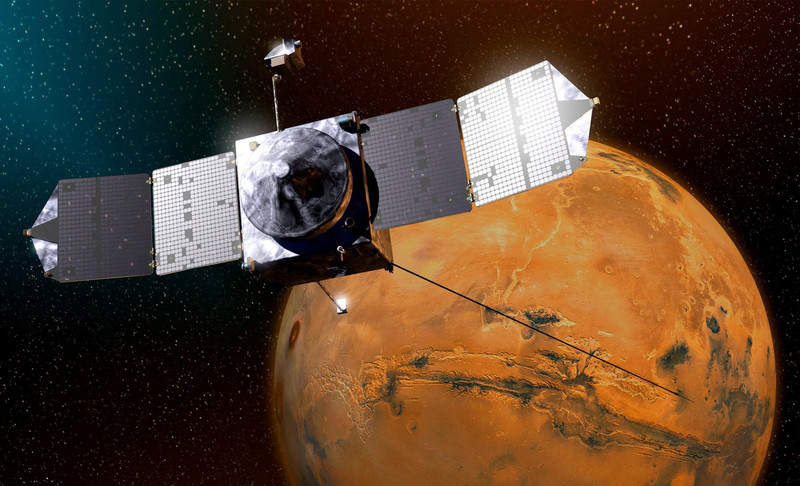
NASA's Maven Mars Orbiter Declared Out of Service After Six Months of Silence
Following an anomaly that disrupted its orbit and depleted its batteries, the Maven spacecraft, vital for understanding Mars' atmosphere, has ended its active mission. Its scientific data remains an invaluable legacy.

Windows Drops NTLM: Microsoft Boosts Security with Kerberos
Microsoft is taking a crucial step to bolster security in Windows 11, announcing the deprecation of NTLM, its oldest authentication protocol, in favor of Kerberos.
Comments (0)
No comments yet. Be the first!
Leave a comment